2026.08.25
Ebisu Bridge Osaka Guide: Glico Sign, Access & Dotonbori Bridge Difference
kimono rental
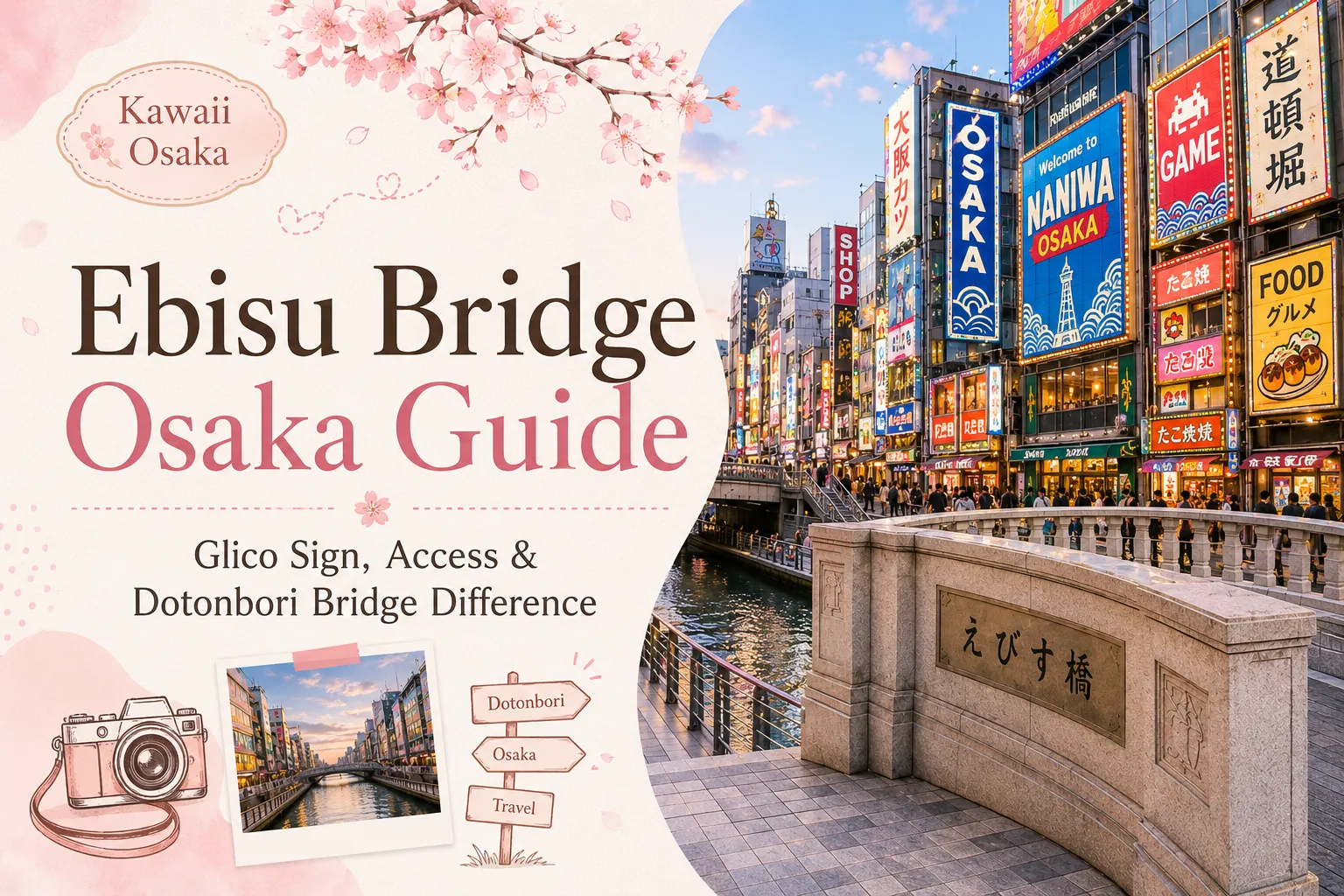
Ebisu Bridge is the pedestrian bridge at the center of one of Osaka's most recognizable views. Stand here and you are surrounded by the Dotonbori River, giant illuminated signs, busy shopping streets and the famous Glico running-man sign.
If you search for Dotonbori before visiting Osaka, there is a good chance you have already seen this bridge in photos without knowing its name. It is called Ebisu Bridge, or Ebisubashi in Japanese.
It is also easy to confuse Ebisu Bridge with Dotonbori Bridge. They are two different bridges, even though both cross the same river only a short distance apart.
You can stop here for a quick photo, use the bridge as a starting point for Dotonbori and Shinsaibashi, or include it in a longer walk through Hozenji Yokocho, Namba and the riverside area.
Kawaii Osaka is located in nearby Soemoncho, so Ebisu Bridge is also one of the easiest Dotonbori landmarks to include in a kimono or yukata sightseeing route.
Check Same-Day Kimono Rental Options Near Dotonbori
Ebisu Bridge at a Glance
Name: Ebisu Bridge / Ebisubashi / 戎橋
Location: Dotonbori, Chuo-ku, Osaka
Address: 1-6 Dotonbori, Chuo-ku, Osaka 542-0071
Length: Approximately 26 meters
Admission: Free
Nearest station: Osaka Metro Namba Station / Osaka-Namba Station
From Exit 14: Approximately 200 meters, or about 3 minutes on foot
From JR Namba Station: Approximately 9 minutes on foot
Main landmarks: Dotonbori Glico Sign, Dotonbori River, Shinsaibashi-suji and Ebisubashi-suji Shopping Street
Ebisu Bridge connects Shinsaibashi-suji Shopping Street on the north side of the river with Ebisubashi-suji Shopping Street on the south. The current bridge is 26 meters long and was completed in 2007.
What Is Ebisu Bridge in Osaka?
Ebisu Bridge is a pedestrian bridge crossing the Dotonbori River in the heart of Osaka's Minami entertainment district.
It is much more than a way to cross the water. The bridge sits at the meeting point of several places travelers are already likely to visit, including Dotonbori, Shinsaibashi and Namba.
Walk north from the bridge and you enter Shinsaibashi-suji Shopping Street.
Walk south and Ebisubashi-suji leads toward Namba.
Stay around the river and you can explore Dotonbori's restaurants, giant signs and Tonbori Riverwalk.
For a first-time visitor, that makes the bridge an easy reference point when navigating central Osaka.
Why Is Ebisu Bridge Famous?
The view is the main reason.
The Dotonbori Glico Sign stands beside the canal near the bridge, while large advertising signs cover many of the surrounding buildings.
At street level, the bridge is also one of the busiest pedestrian meeting points in the area.
You can arrive with no ticket and no fixed schedule, take in the river view and continue directly into Dotonbori or Shinsaibashi.
That combination of an instantly recognizable background and a convenient location is why so many Osaka trips pass through Ebisu Bridge.
How Old Is Ebisu Bridge?
A bridge is believed to have stood here since around the time the Dotonbori canal was developed in the early 17th century.
The name is commonly associated with the route toward Imamiya Ebisu Shrine, although the exact origin is not completely certain.
The bridge has been rebuilt several times over the centuries. The current structure replaced the previous bridge in 2007.
You do not need a long history lesson to appreciate the location, but the age of the crossing helps explain why it sits so naturally between some of Osaka's oldest commercial streets and its modern entertainment district.
Is Ebisu Bridge the Same as Dotonbori Bridge?
No. Ebisu Bridge and Dotonbori Bridge are different bridges.
This is one of the easiest mistakes to make when looking at Osaka travel photos.
The famous pedestrian bridge beside the Glico sign is
Ebisu Bridge.
Dotonbori Bridge is farther west, where the wide Midosuji avenue crosses the Dotonbori River.
Where Is Dotonbori Bridge?
Dotonbori Bridge carries Midosuji across the river west of Ebisu Bridge.
Unlike Ebisu Bridge, it is a large road bridge used by vehicles as well as pedestrians.
The current Dotonbori Bridge was completed as part of the development of Midosuji and measures approximately 38.2 meters long and 43.6 meters wide.
If the bridge in front of you is filled mainly with pedestrians standing near the Glico sign, you are most likely at Ebisu Bridge.
If you are standing on the broad Midosuji road crossing, you are at Dotonbori Bridge.
Why Do Travelers Confuse the Two?
“Dotonbori” is the name most overseas visitors remember.
As a result, photos taken on Ebisu Bridge are often casually described as photos from “Dotonbori Bridge.”
The confusion also appears in traveler discussions, where people regularly correct the name of the famous Glico-side bridge to Ebisu Bridge.
For navigation, use
Ebisu Bridge or
Ebisubashi when you want the famous pedestrian bridge and Glico view.
Where Is the Glico Sign from Ebisu Bridge?
The Dotonbori Glico Sign is beside the river immediately around the Ebisu Bridge area, making the bridge one of the easiest places to see it.
The current sign is the sixth generation of the landmark and measures approximately 20 meters high by 10.38 meters wide. It uses LED lighting and shows the familiar runner crossing a finish line.
You do not need to search for another observation deck or pay for a viewing area.
Walk onto Ebisu Bridge, look toward the large riverside billboards and the Glico runner is difficult to miss.
When Does the Glico Sign Light Up?
The current scheduled lighting period is
from sunset until midnight.
The lighting time can be shortened depending on circumstances, so very late-night visitors should not assume the sign will always be illuminated.
If the glowing sign is the main reason for your visit, go after sunset rather than leaving it until the end of a late night.
Can You See the Glico Sign During the Day?
Yes.
The sign is clearly visible during the day, and daytime can actually work better when the people in your photo matter more than the lights.
Faces, kimono colors and surrounding buildings are easier to capture without relying on low-light photography.
Night changes the emphasis.
After sunset, illuminated signs and reflections on the river create the Dotonbori atmosphere many travelers recognize from photographs.
Neither is automatically better.
Choose daytime for clearer portraits and sightseeing details.
Choose evening for lights and the classic Dotonbori night scene.
What Is the Best Time to Visit Ebisu Bridge?
The best time depends on what you want to see.
There is no need to plan your entire Osaka day around one exact hour.
The bridge is part of a busy public pedestrian route, so the trade-off is usually between easier movement and more dramatic nighttime scenery.
Morning: Best for a Quieter Look at the Area
Morning is useful when you want to walk across the bridge without making the Dotonbori lights the main attraction.
You can see the shape of the river, understand where the surrounding shopping streets connect and take a quick photo before the rest of your Minami sightseeing.
Some restaurants and entertainment businesses may not yet be open, so morning works better for the bridge itself than for experiencing Dotonbori at its busiest.
Daytime: Better for Clear Portraits
Daytime gives you more natural light.
This is especially useful if you are photographing a person rather than only the skyline.
Kimono patterns, yukata colors and facial details are easier to see, while the Glico sign remains recognizable in the background.
You can also continue directly into Shinsaibashi, Hozenji or Namba without waiting for nightfall.
Sunset and Early Evening: A Good Balance
Around sunset, Dotonbori begins to change.
The sky may still have some natural light while the signs start becoming more prominent.
For many travelers, this is the easiest compromise between taking a clear portrait and getting an illuminated Osaka background.
Night: Best for Dotonbori Lights
Night gives you the strongest neon atmosphere.
The Glico sign, surrounding billboards and reflections on the Dotonbori River become much more visually dominant.
The bridge can also feel busier at popular times, so do not expect to stand in one position for a long photo session.
Take the photo, keep pedestrian space open and move aside if you want to check several shots.
Where Should You Take Photos at Ebisu Bridge?
Ebisu Bridge gives you the most familiar view, but the middle of the bridge is not the only place worth using.
The best position depends on whether you want the Glico sign, the river or the person in the photo to be the main subject.
On the Bridge for the Classic Glico Photo
If this is your first visit, start on Ebisu Bridge itself.
Choose a position where the Glico sign appears clearly behind you without standing in the main flow of pedestrians for too long.
A simple pose works better than trying to create an elaborate photo setup in the middle of a busy crossing.
If you want the recognizable Osaka souvenir photo, this is the easiest choice.
Use the Side of the Bridge When the Center Is Busy
The exact center is not essential.
Moving toward the side can give you more room and may allow the river to become part of the composition.
You will also be less likely to stop people trying to cross between Shinsaibashi and Namba.
Go Down to Tonbori Riverwalk for a Lower View
Tonbori Riverwalk runs beside the Dotonbori River below street level.
From the riverside, the buildings and signs rise above you rather than appearing directly behind the crowd on the bridge.
This can be a useful alternative when Ebisu Bridge itself feels too busy.
Remember that the riverwalk is below the bridge. Look for stairs or another available access point rather than assuming the promenade continues at street level.
Walk East for More Space Along the River
You do not have to stay directly beside the Glico sign for every photo.
Walking toward Tazaemonbashi and the eastern section of the river can give you a wider canal view and different combinations of signs, water and bridges.
This works particularly well if you already have the classic Glico photo and want something that does not look identical to everyone else's.
How Do You Get to Ebisu Bridge?
Ebisu Bridge is easiest to reach from the Namba area.
The official access guide places the bridge about
200 meters, or roughly 3 minutes on foot, from Exit 14 of Osaka Metro Namba Station and Osaka-Namba Station. JR Namba Station is approximately 9 minutes away on foot.
From Osaka Metro Namba Station
Use
Exit 14 as a practical reference point.
From there, continue toward Dotonbori and the Glico sign area.
Once you reach the river and the large billboards, the pedestrian bridge in front of the Glico view is Ebisu Bridge.
From Osaka-Namba Station
Osaka-Namba Station is also close to Exit 14 and the western side of the Dotonbori area.
Follow signs toward Dotonbori rather than assuming every “Namba” exit will place you in the same location.
Namba contains several connected but separate railway stations, so checking the operator and exit number before leaving the station saves unnecessary walking.
From JR Namba Station
Allow approximately 9 minutes under normal walking conditions.
JR Namba is farther west than the Osaka Metro and Kintetsu/Hanshin access points most convenient for Ebisu Bridge.
If you are unfamiliar with the area, navigating directly to “Ebisu Bridge” is easier than using “Dotonbori” alone, which covers a much larger area.
From Shinsaibashi
Walk south through Shinsaibashi-suji Shopping Street.
The arcade leads directly toward Ebisu Bridge, making the route easy to understand without taking another train.
Once you cross the bridge, the shopping street continues south as Ebisubashi-suji toward Namba.
What Can You Visit Near Ebisu Bridge?
Ebisu Bridge works best as a stop within a larger Dotonbori walk.
You can see the bridge itself in a few minutes, so the surrounding streets are what determine whether you spend 20 minutes or several hours in the area.
Dotonbori
You are already in Dotonbori when you reach the bridge.
Walk east along the river for restaurants, giant signs and busy pedestrian streets.
Takoyaki, okonomiyaki, crab dishes and other Osaka foods are easy to find around the area, although the busiest restaurants may have queues.
If your goal is dinner, look at several streets rather than assuming the restaurant closest to the bridge is automatically your best option.
Shinsaibashi-suji Shopping Street
Cross to the north side of Ebisu Bridge and you enter Shinsaibashi-suji.
The covered shopping street runs north through one of central Osaka's busiest retail areas.
It is an easy addition if you want fashion, cosmetics or general shopping after seeing Dotonbori.
Hozenji Yokocho
Hozenji Yokocho is nearby but feels very different.
The narrow alley, stone pavement and temple area offer a more subdued streetscape than the giant signs around Ebisu Bridge.
Pairing the two stops gives you two contrasting sides of Osaka Minami without spending time on another train.
Explore Hozenji Yokocho and a Kimono Walking Route
Tonbori Riverwalk
If the bridge is crowded, go down to the riverside instead of leaving the area completely.
The promenade lets you walk beside the canal, look back toward the bridges and see the signs from a lower angle.
It can also be a useful route when you simply want to slow down after walking through the busier shopping streets.
Is Ebisu Bridge Worth Visiting?
Yes, if you are already visiting Namba or Dotonbori.
Ebisu Bridge is not an attraction that needs half a day by itself.
Its value comes from its location.
You can see one of Osaka's most recognizable views, cross between two major shopping streets and continue directly into the rest of Minami.
For most first-time visitors, there is little reason to avoid it when Dotonbori is already on the itinerary.
How Long Do You Need at Ebisu Bridge?
For the bridge alone:
・
5 to 10 minutes — Cross the bridge and see the Glico sign
・
15 to 30 minutes — Take photos and walk part of the riverfront
・
1 to 2 hours — Add Dotonbori, Hozenji or nearby shopping
・
Half a day — Combine Namba, Dotonbori, Shinsaibashi and surrounding Minami attractions
You do not need to turn the bridge into a destination longer than your interests require.
Should You Visit If You Do Not Care About the Glico Sign?
Yes, if your route already passes through central Dotonbori.
Even without taking the famous photo, the bridge is a useful connection between Shinsaibashi and Namba.
It also gives you a quick view along the canal and helps you understand the layout of the surrounding area.
If your Osaka itinerary does not include Namba or Dotonbori at all, there is less reason to make a separate journey only for the bridge.
Can You Visit Ebisu Bridge in a Kimono or Yukata?
Yes.
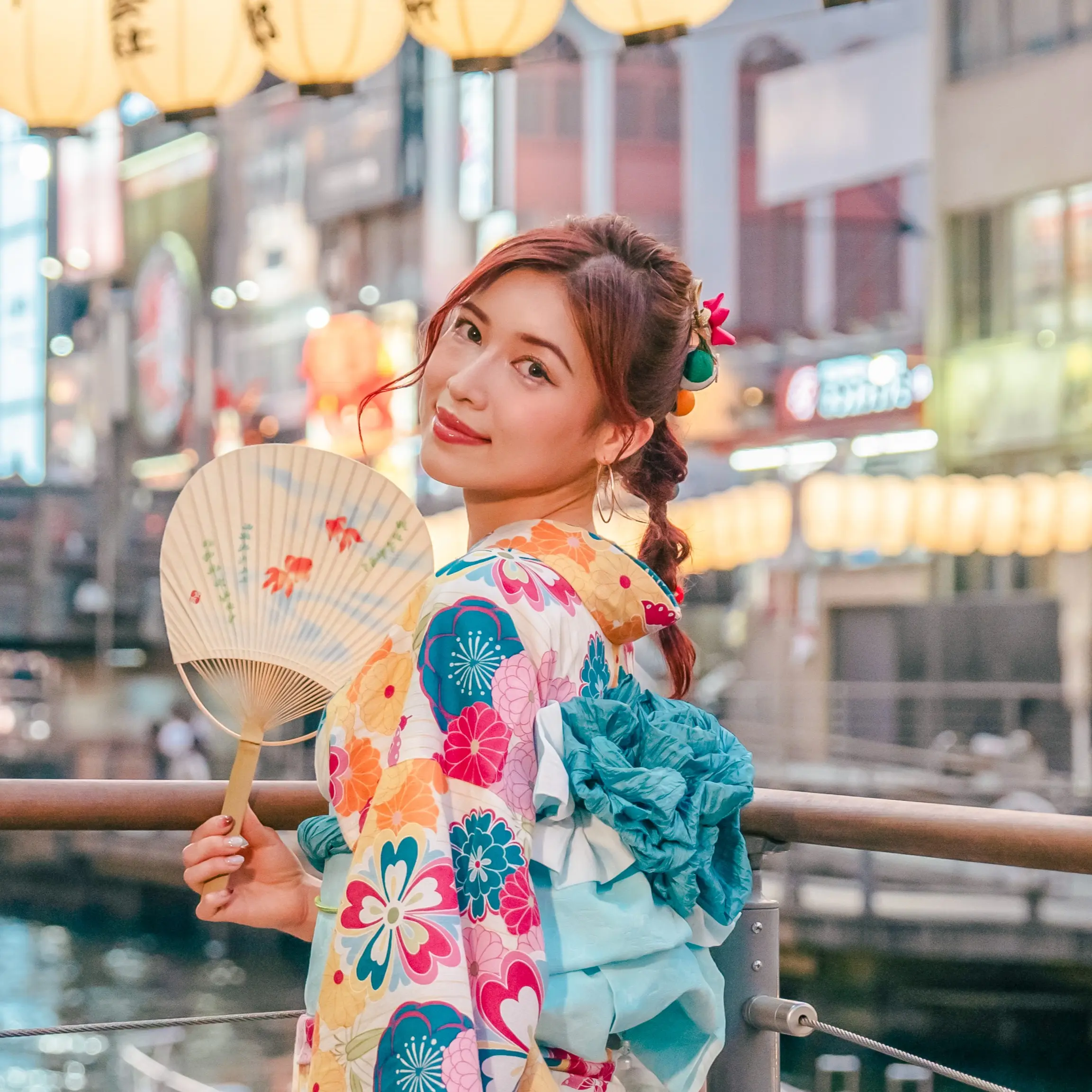
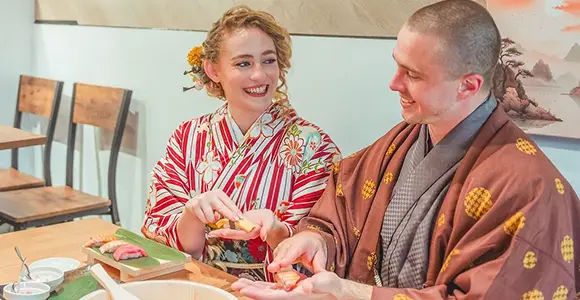
Ebisu Bridge is close enough to Kawaii Osaka that it works well for both a short kimono walk and a longer sightseeing day.
Kawaii Osaka is located at
1-9 Soemoncho, Chuo-ku, Osaka and is currently open from
10:00 AM to 10:00 PM.
The route to the Dotonbori and Ebisu Bridge area is roughly
5 to 7 minutes under normal conditions, although evening crowds can make the walk longer.
Is a 90-Minute Rental Enough for Ebisu Bridge?
Yes, if Ebisu Bridge and nearby Dotonbori are your main stops.
Kawaii Osaka currently lists an adult 90-minute plan from
¥4,400 including tax, with return required within 90 minutes.
A short route could include:
・Leave Kawaii Osaka
・Walk toward Dotonbori
・Take photos around Ebisu Bridge and the Glico sign
・Walk briefly through Hozenji or the riverside area
・Return to the shop
Keep the route focused rather than adding Shinsaibashi shopping or a long restaurant stop.
When Does a 1-Day Rental Make More Sense?
Choose a longer rental if Ebisu Bridge is only one stop in your Osaka day.
The current adult one-day plan is listed from
¥5,500 including tax, with return required by
9:00 PM.
That gives you more room to combine:
・Ebisu Bridge
・Dotonbori
・Hozenji Yokocho
・Shinsaibashi
・Namba
・Lunch or dinner
・Daytime and evening photos
You can also see how the same kimono or yukata looks in natural daylight and under Dotonbori's illuminated signs.
Check the Current Kawaii Osaka 1-Day Rental Plan
What Should You Know About Walking in Geta?
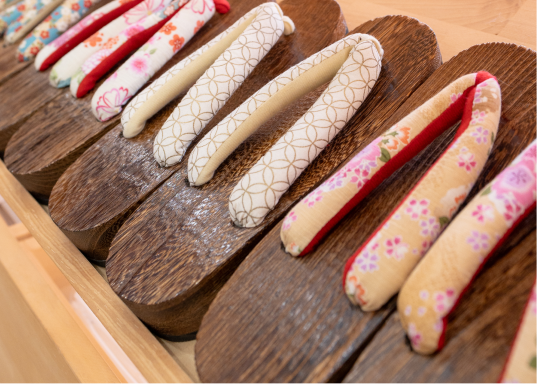
Geta are traditional Japanese wooden sandals often paired with yukata.
They can feel very different from sneakers if you have never worn them before.
Ebisu Bridge itself is an easy urban route, but the surrounding area can involve crowds, stairs to the riverwalk and long periods of standing.
Take shorter steps and avoid rushing.
If your footwear begins to feel uncomfortable, shorten the route rather than turning a photo stop into a difficult walk.
Plan Your Ebisu Bridge Stop Around Dotonbori
Ebisu Bridge is simple to visit but easy to misunderstand before you arrive.
The famous pedestrian bridge beside the Glico sign is Ebisu Bridge, not Dotonbori Bridge. Dotonbori Bridge is the much wider Midosuji road crossing farther west.
For the classic Osaka view, visit after sunset when the Glico sign and surrounding billboards are illuminated. For clearer portraits or kimono photos, daytime or the period around sunset can be easier.
Do not feel that you need to stay in the middle of the bridge for every photo. The riverside, the edges of the bridge and the walk toward nearby bridges can give you more room and a different view.
Most importantly, treat Ebisu Bridge as part of the surrounding Minami area. Hozenji, Dotonbori, Shinsaibashi and Namba are close enough to combine without turning a short landmark visit into a separate day trip.
If you want to explore the area in traditional clothing, Kawaii Osaka's location in Soemoncho makes the bridge easy to include in either a short Dotonbori walk or a longer one-day sightseeing route.
Explore Kimono and Yukata Rental Plans at Kawaii Osaka
 06-6732-8070
  KIMONO RENTAL
SET CONTENT
KIMONO RENTAL
SET CONTENT
 KIMONO RENTAL
HAIR SET/MAKE UP
KIMONO RENTAL
HAIR SET/MAKE UP
 KIMONO RENTAL
Accessories for Kimono & ITEMS
KIMONO RENTAL
Accessories for Kimono & ITEMS
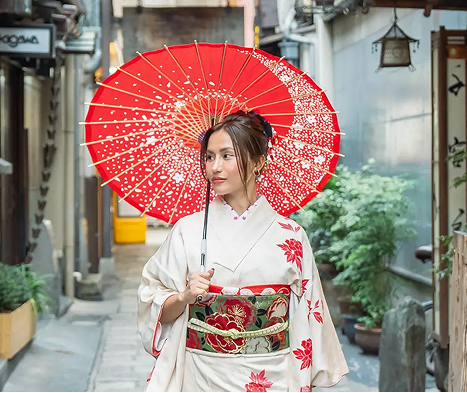 WAGASA
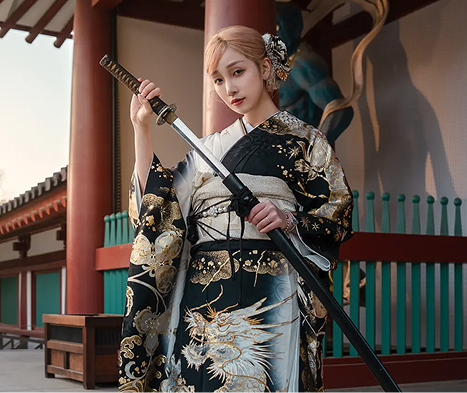 KATANA
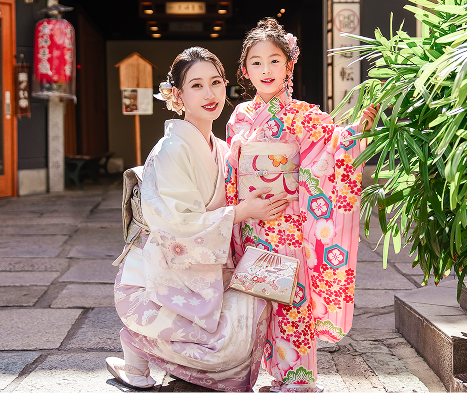 LOCATIONSHOOTING