2026.07.23
Hozenji Yokocho in Osaka: What to See, When to Go and a Kimono Walking Route
kimono rental
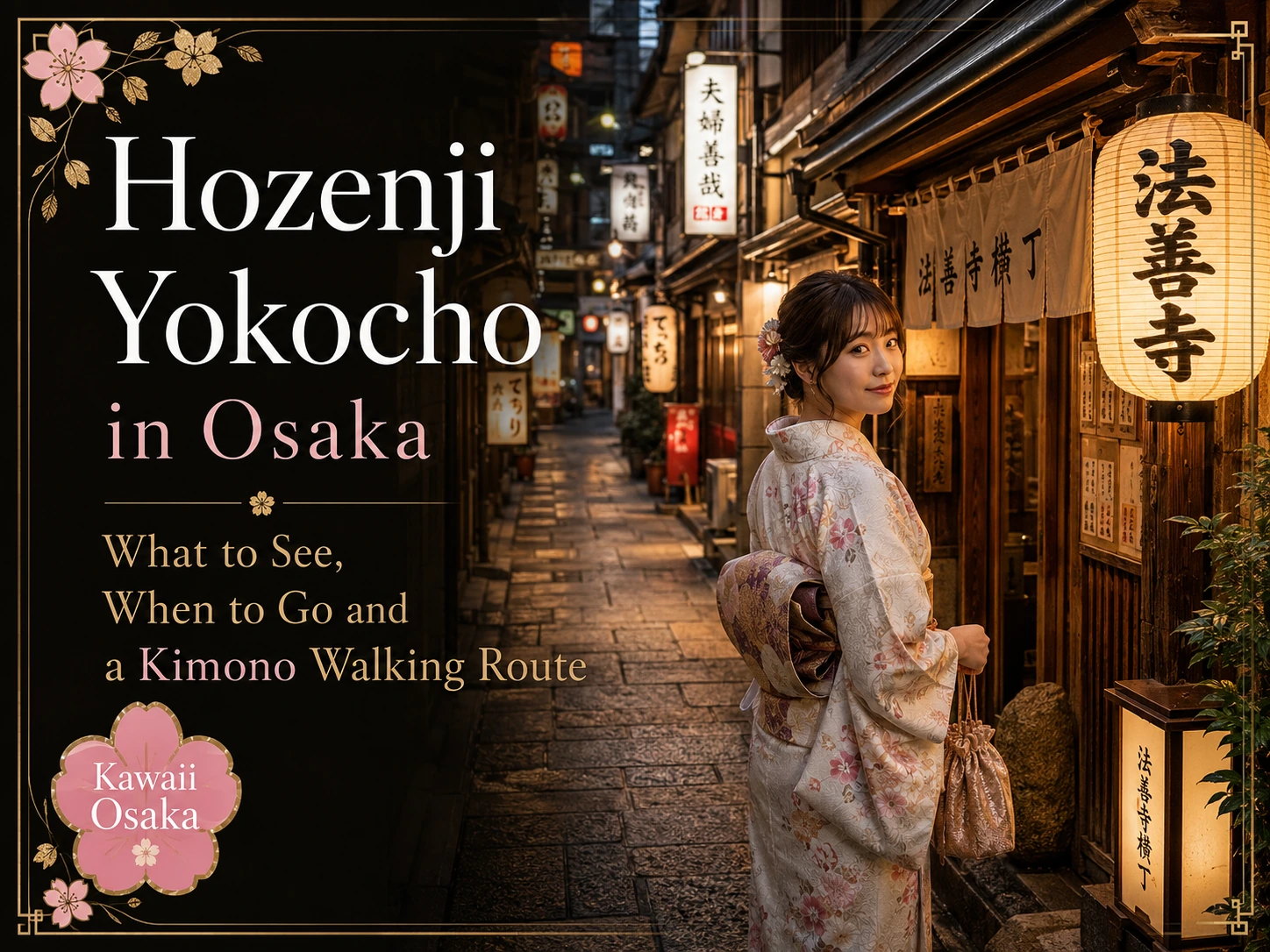
Hozenji Yokocho is a free-to-enter, stone-paved restaurant alley beside Hozenji Temple in Namba. It is about a three-minute walk from Osaka Metro Namba Station’s Exit 14 and a short walk from Dotonbori.
Allow 10 to 20 minutes for a quick walk and temple visit. Set aside 20 to 40 minutes if you also want to pray and take photos. These are planning estimates rather than official visit times.
Visit in the morning for fewer people or in the early evening to see the lanterns. JNTO recommends both periods and notes that the lantern light becomes especially noticeable in the early evening.
The alley is about 80 meters (260 feet) long and 3 meters (10 feet) wide. Its main sights are the two narrow lanes, Hozenji Temple and the moss-covered Mizukake Fudo statue.
Last updated: July 23, 2026
Hozenji Yokocho at a Glance
Japanese name: 法善寺横丁
Location: Namba, Chuo Ward, Osaka
Nearest subway exit: Osaka Metro Namba Station, Exit 14
Walking time from Exit 14: About three minutes
Admission: No ticket is required to walk through the alley or visit the outdoor temple grounds
Suggested visit: 10 to 40 minutes without a meal
Best time for fewer people: Morning
Best time for lantern photos: Early evening
Restaurant hours: Each business sets its own hours and closing days
Nearby areas: Dotonbori, Namba, Nippombashi and Ura-Namba
Hozenji Yokocho is a compact stop rather than a large sightseeing district. Add it to a Namba or Dotonbori walk instead of planning a separate half-day trip.
What Is Hozenji Yokocho?
Hozenji Yokocho consists of two narrow, stone-paved lanes beside Hozenji Temple.
Long-standing Japanese restaurants, bars, okonomiyaki restaurants and kushikatsu shops line the alley. The low lanterns, wooden entrances and narrow pavement create a quieter setting than the large signs and crowded bridges around Dotonbori.
Hozenji Yokocho vs. Hozenji Temple
Hozenji Yokocho and Hozenji Temple are next to each other, but they are not the same place.
Hozenji Temple is a Jodo Buddhist temple founded in 1637. It is best known for Mizukake Fudo, a moss-covered statue of Fudo Myoo.
Hozenji Yokocho is the neighboring restaurant alley that developed around the temple.
Most visitors see both during the same stop. Approach Mizukake Fudo first, then walk through the east and west sections of the alley.
What Does “Yokocho” Mean?
Yokocho means a side alley or narrow lane branching away from a larger street.
The word is often associated with small restaurants and bars. Some modern yokocho are purpose-built dining complexes, but Hozenji Yokocho grew from stalls that served people visiting Hozenji Temple.
How the Alley Developed
Stalls serving temple visitors gradually developed into a permanent dining and entertainment area.
Hozenji also had ties to Osaka’s performing arts. Rakugo storytelling and stage performances took place around the temple when Namba and Dotonbori were growing as entertainment districts.
The temple and alley were damaged during the Pacific War and rebuilt afterward. Hozenji Yokocho also recovered from fires in 2002 and 2003.
A short history is enough to understand the location. The main reason to visit is the unusual transition from Dotonbori’s modern entertainment streets to a small temple and stone-paved alley within the same neighborhood.
What Is the Moss-Covered Mizukake Fudo?
Mizukake Fudo is a statue of Fudo Myoo at Hozenji Temple.
Visitors pour water over the statue while praying. Thousands of repeated water offerings have allowed thick green moss to cover the figure.
When approaching the statue:
・Wait until the person in front of you has finished
・Use the ladle slowly
・Avoid splashing nearby visitors
・Keep bags and kimono sleeves away from the water
・Do not touch or remove the moss
・Move aside after praying
You do not have to pour water. Watching quietly is also acceptable.
Is Hozenji Yokocho Worth Visiting?
Yes, especially if you are already visiting Namba or Dotonbori.
The alley is too short to fill several hours on its own, but it works well as a temple stop, photo location or place to walk before dinner.
It may suit you when:
・You want a quieter stop near Dotonbori
・You have less than an hour available
・You want to see a temple without leaving central Osaka
・You are walking between Namba and Nippombashi
・You want a stone-paved background for kimono photos
・You plan to eat or drink in the Namba area
What Can You See in 10, 20 or 60 Minutes?
About 10 minutes
Walk through the alley and briefly approach Mizukake Fudo.
This works when Hozenji Yokocho is one stop on a longer Namba route.
About 20 minutes
Visit the temple, walk through both lanes and take a few photos.
This is enough for many first-time visitors who are not eating in the area.
About 30 to 40 minutes
Allow time to pray, wait for clear photo backgrounds and walk through the nearby side streets.
This is more comfortable when wearing kimono or yukata.
One hour or longer
Add a café, bar or restaurant.
Dining usually takes much longer than walking through the alley itself.
Can You Visit Without Eating There?
Yes. You do not need a restaurant reservation to visit the alley or temple.
Hozenji Yokocho is also a working dining district. Keep restaurant entrances clear and avoid treating the entire lane as a private photo set.
・Do not photograph diners through windows
・Do not stand in a doorway
・Move when staff carry food or supplies
・Keep bags off the pavement
・Avoid large tripods in busy periods
・Take a few photos, then let other people pass
How Is It Different from Dotonbori?
Dotonbori has large illuminated signs, restaurant displays, busy bridges and canal views.
Hozenji Yokocho replaces those large-scale backgrounds with stone pavement, low lanterns and small restaurant entrances.
The two places are only a short walk apart. Visit both to see two sides of the same Namba neighborhood rather than choosing one over the other.
How to Get to Hozenji Yokocho
Use Osaka Metro Namba Station’s Exit 14 for a straightforward route. Osaka Metro lists Hozenji Yokocho as about a three-minute walk from this exit.
Hozenji Temple’s official information also lists Namba Walk B16 and Nippombashi’s Namba Walk B18 as nearby underground exits.
From Osaka Metro Namba Station
Leave through Exit 14 and walk toward the Sennichimae area.
Hozenji Yokocho opens from a narrow side street, so it is easy to pass even when you are close.
Look for:
・A wooden gate marked 法善寺横丁
・Stone pavement
・Traditional lanterns
・Signs for 法善寺 or 水掛不動尊
Namba includes several stations operated by different railway companies. Confirm that your route begins at Osaka Metro Namba rather than JR Namba or Nankai Namba before relying on the three-minute estimate.
From Dotonbori and the Glico Sign
Walk south from Ebisubashi and the Glico sign toward the covered Namba shopping streets.
JNTO directs visitors from Dotonbori toward Namba through the covered arcade, then one block toward Hozenji Temple.
Save Hozenji Temple or 法善寺横丁 in your map application before leaving the canal. Several narrow restaurant lanes surround Dotonbori, and the correct entrance is less obvious than the main tourist streets.
From Kawaii Osaka
Kawaii Osaka’s published route begins on Soemoncho Street.
Walk west for about 140 meters (460 feet), turn left at Aiaibashi Bridge and continue through Aiaibashisuji Shopping Street. Turn right onto Sakamachi-dori and continue for about 100 meters (330 feet) to Hozenji Yokocho.
The route remains within the Namba and Dotonbori area and does not require a train.
Explore the 90-Minute Kimono and Yukata Plan
When Is the Best Time to Visit?
Visit in the morning for fewer people, during the day for clearer outfit colors or in the early evening for lantern light.
There is no single best time for every visitor.
Morning for Fewer People
Morning is the most practical time when your priority is space.
The alley’s restaurants may not be open yet, but fewer diners and evening visitors make it easier to photograph:
・The wooden gate
・The full length of the alley
・The stone pavement
・A full kimono or yukata outfit
・The temple lanterns
JNTO includes early morning among its recommended times to visit.
Afternoon for Clearer Kimono Colors
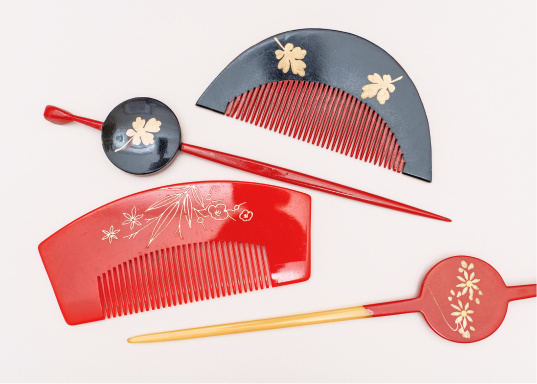
Daylight makes kimono colors, obi patterns and hair accessories easier to see.
The alley receives uneven light because of the narrow buildings. Tap the person’s face on your phone screen and adjust the exposure before taking several photos.
Afternoon also fits naturally between shopping and dinner in Namba.
Early Evening for Lantern Photos
Visit in the early evening if you want the lanterns to appear clearly while some daylight remains.
JNTO describes this period as the time when the lanterns cast a warm orange light over the alley and temple grounds.
Expect more restaurant customers than in the morning. Wait for a short gap instead of asking other visitors to move.
What About Rain?
Light rain creates reflections on the stone pavement, but wet stones require extra care.
When wearing kimono or yukata:
・Take shorter steps
・Keep the hem away from puddles
・Hold long sleeves close to your body
・Avoid sudden turns in zori sandals
・Keep umbrellas close when passing people
・Do not attempt wide walking poses on wet pavement
Kawaii Osaka allows rentals on rainy days but warns that hems and sandals may become dirty. Standard cancellation rules still apply.
How to Take Kimono Photos at Hozenji Yokocho
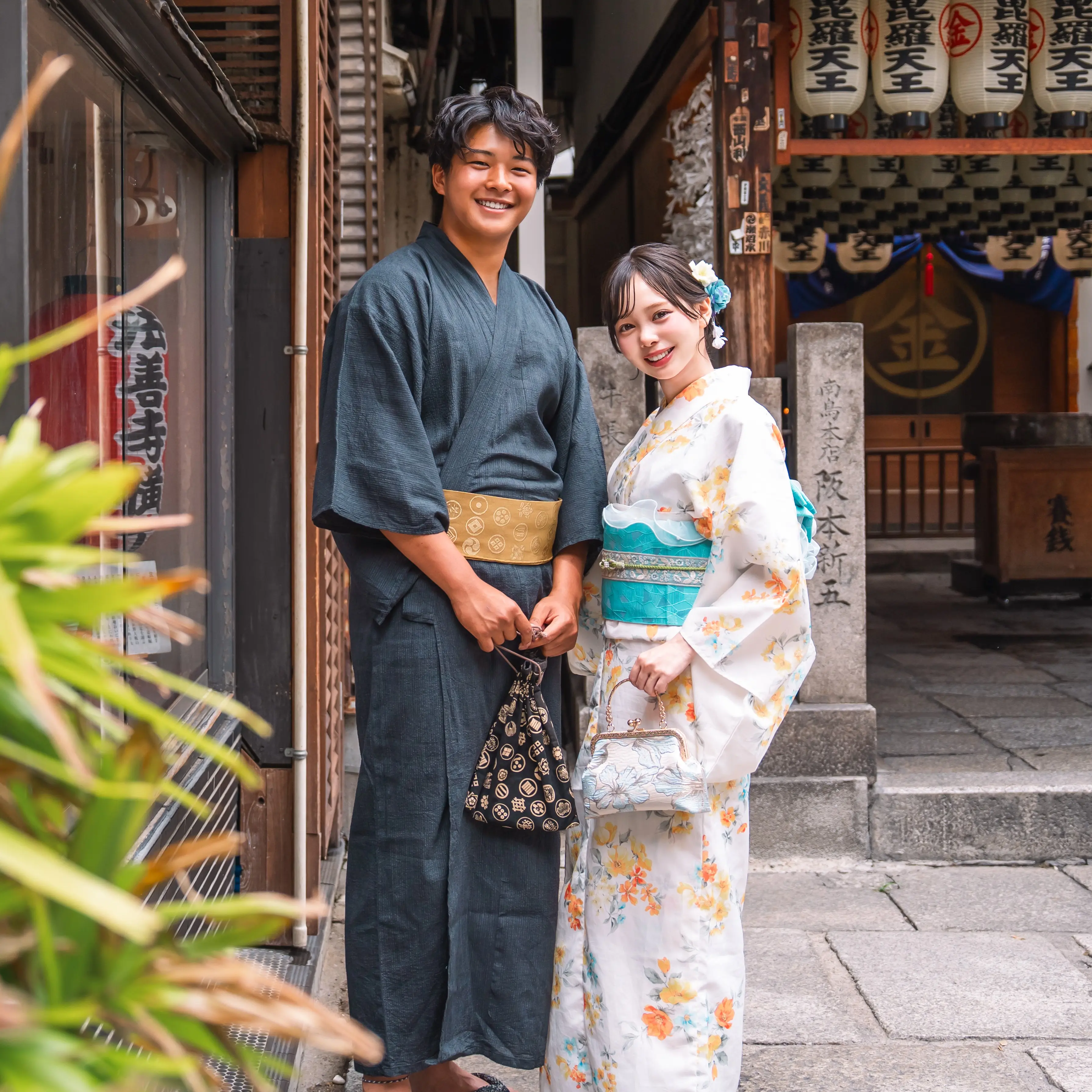
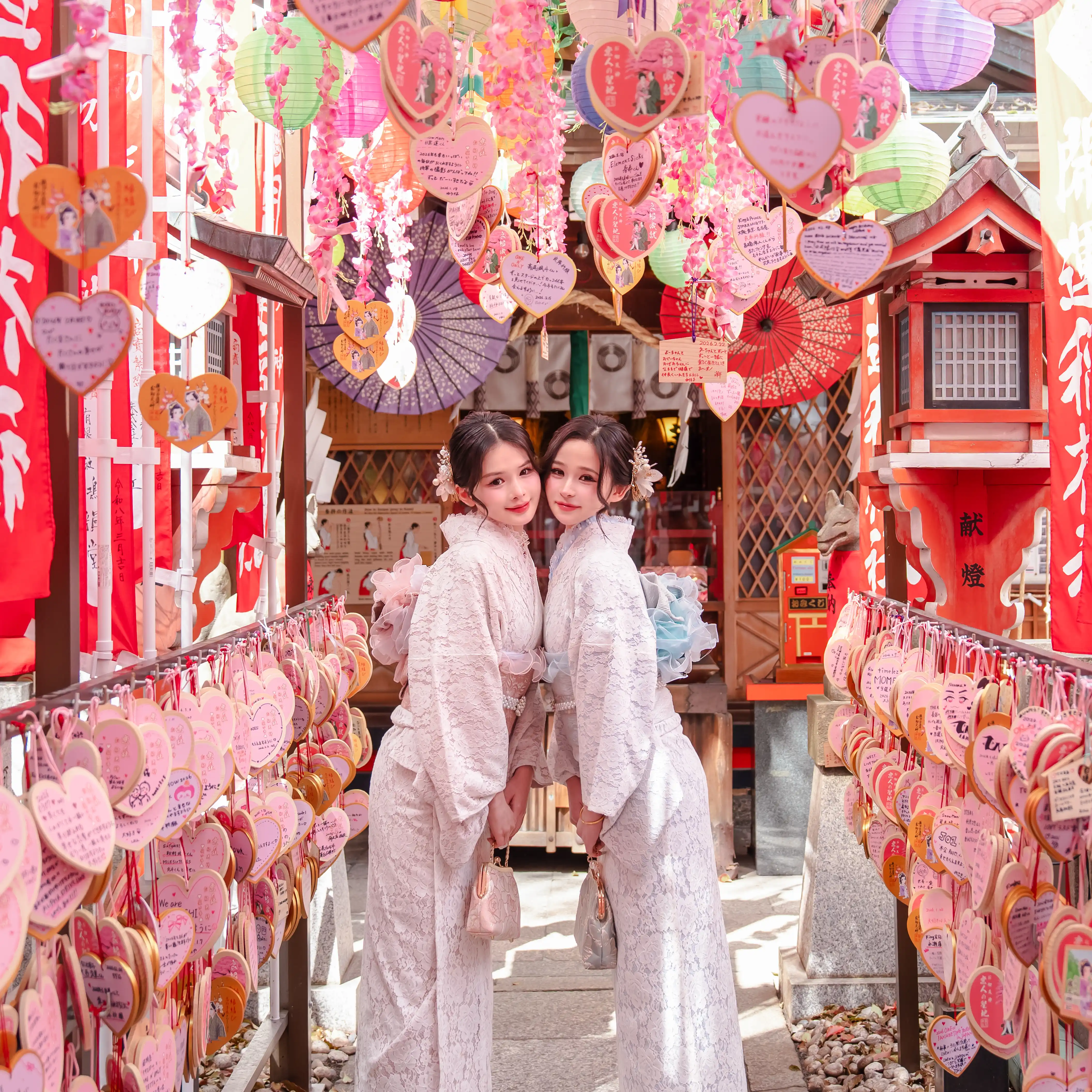
The stone pavement, wooden signs and lanterns provide a clear background for full-length kimono photos.
The alley is narrow, so short photo sessions work better than large poses or extensive equipment.
Photo Backgrounds to Look For
The wooden entrance gate
Stand slightly to one side so the Japanese sign remains visible without blocking the entrance.
The stone-paved lane
Photograph along the length of the alley. The walls and pavement draw attention toward the subject.
The temple lanterns
Take photos from a respectful distance after allowing worshippers to finish.
The edge of the alley
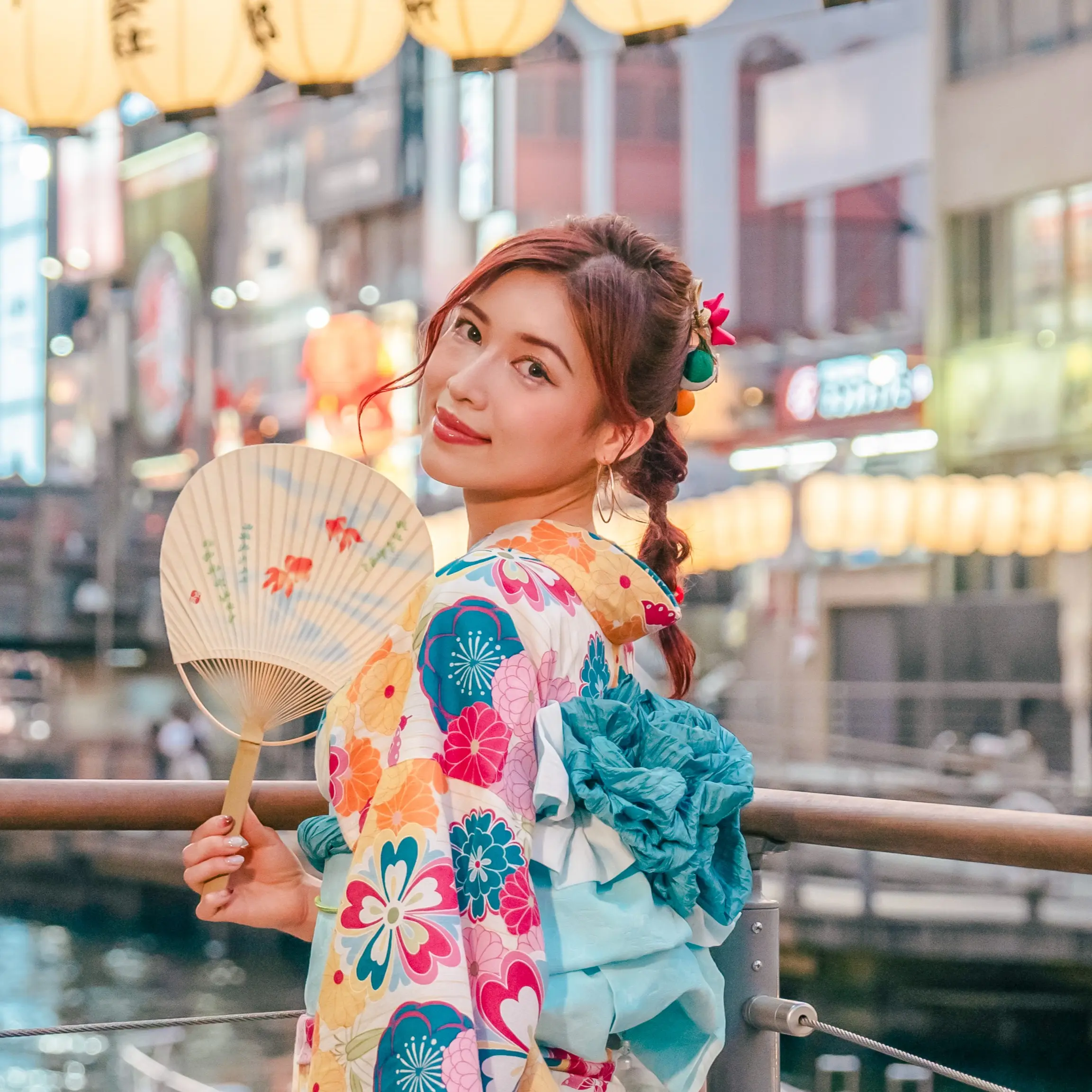
Include both the traditional lane and the modern streets outside. This shows how close Hozenji Yokocho is to central Namba.
Photo Tips for a Narrow Restaurant Alley
Keep the photographer and subject near the same side when people need to pass.
・Move away from doors
・Do not lean on signs or displays
・Keep bags off the ground
・Take two or three photos, then move
・Look behind you before stepping backward
・Photograph smaller groups instead of forming a wide line
・Stop when restaurant staff need the space
Simple poses usually fit the location best.
Try standing at a slight angle, looking toward the lanterns, showing the obi from the side or taking one slow step while the photographer remains nearby.
Photo Etiquette at Hozenji Temple
Hozenji remains an active place of worship.
Check the signs displayed at the temple when you visit. Do not assume that every area or event follows the same photography rules.
・Keep the approach to Mizukake Fudo clear
・Turn off the flash
・Do not photograph people closely while they are praying
・Keep voices low
・Do not touch religious objects for a pose
・Stop taking photos if temple staff ask you to do so
Pray or observe first, then take photos from a position that leaves the path open.
What Should You Know Before Visiting in Kimono?
Traditional clothing changes how quickly and easily you can move through the alley.
Allow more time than you would in sneakers and everyday clothes.
Walk Carefully on the Stone Pavement
Take shorter steps in zori sandals.
Look several steps ahead instead of checking your phone while walking. Slow down near drains, wet stones and changes in the pavement.
If a sandal feels loose or uncomfortable, move to the side before adjusting it.
Keep Long Sleeves Away from the Water
Hold one sleeve back before using the ladle at Mizukake Fudo.
With furisode or another long-sleeved outfit, ask a companion to keep the sleeve clear of the basin.
Stand close enough to pour slowly. A large splash is unnecessary and may wet nearby visitors.
Do Not Wait for an Empty Alley
Hozenji Yokocho may remain busy through the evening.
Move near the wall, wait for a short opening, take a few photos and continue walking.
A photo with other visitors in the background still shows the real atmosphere of Namba. Visit in the morning if an almost empty background is essential.
How to Combine Hozenji Yokocho with Dotonbori
A simple first-time route is:
・Hozenji Temple
・Hozenji Yokocho
・Dotonbori canal
・Ebisubashi and the Glico sign
・Shinsaibashi-suji Shopping Street
This route combines a temple, stone-paved alley, canal, illuminated signs and covered shopping street without requiring public transportation.
Visit Before Dinner
Late afternoon works well when you plan to eat in Namba.
See the kimono colors in daylight, then wait for the lanterns to become more noticeable before continuing toward Dotonbori.
Check your kimono return time before entering a restaurant. A meal can easily take longer than the visit to the alley itself.
Choose a Few Photo Stops
Use Hozenji Yokocho for stone pavement and lanterns.
Use the Dotonbori River for bridges and reflections.
Use Ebisubashi for the Glico sign and the busiest city background.
Three distinct settings create more variety than spending the entire rental period taking similar photos in one narrow alley.
Renting a Kimono for Hozenji Yokocho
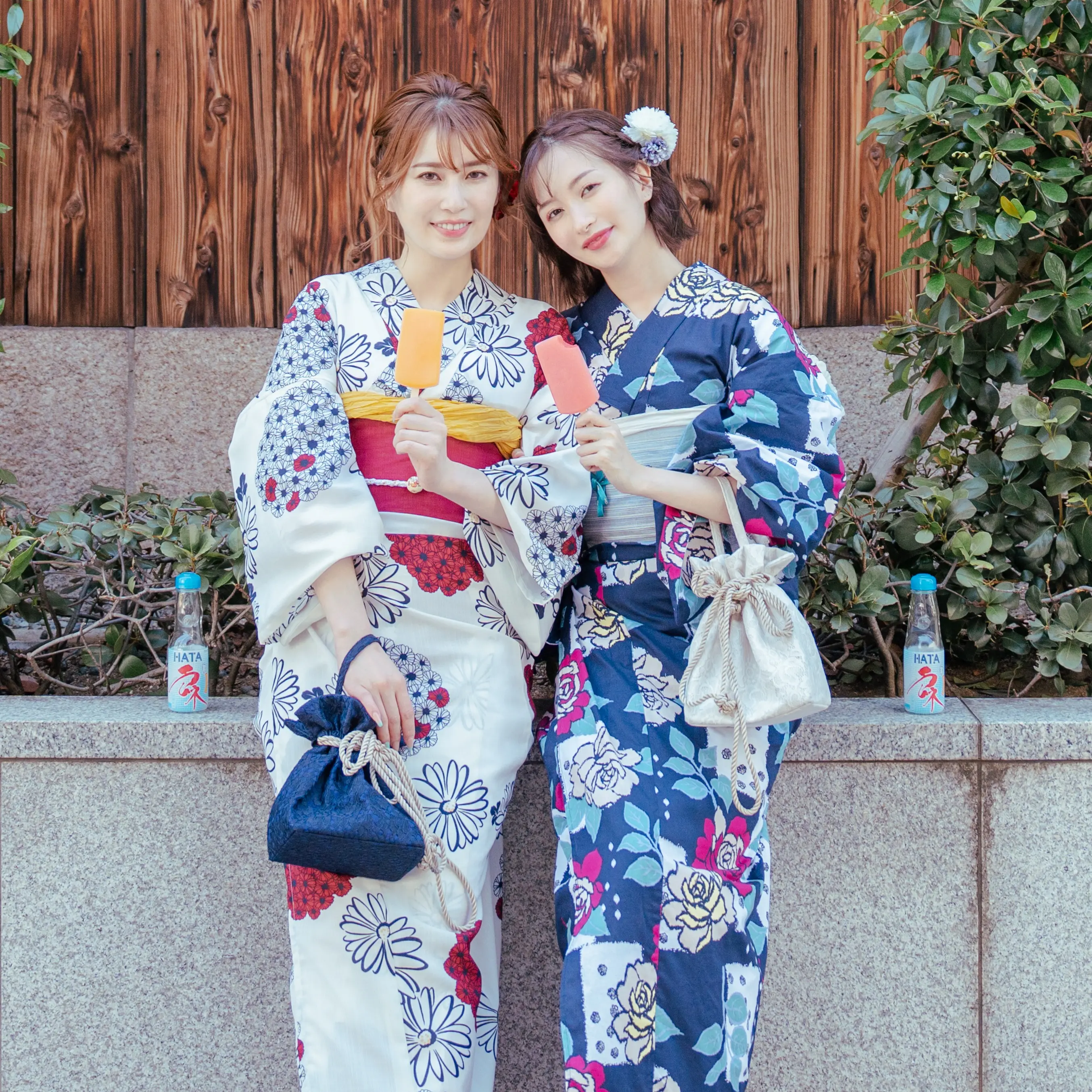
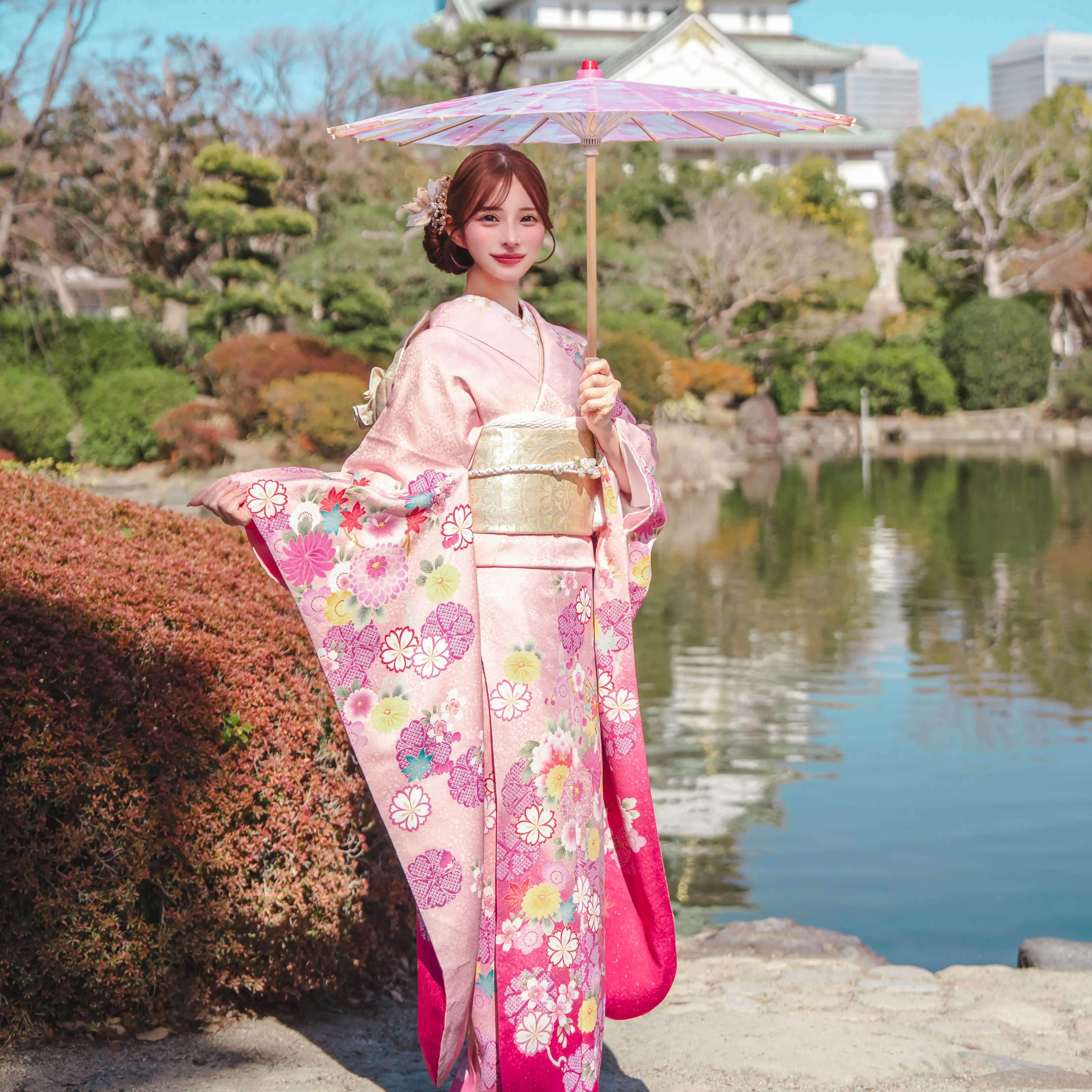
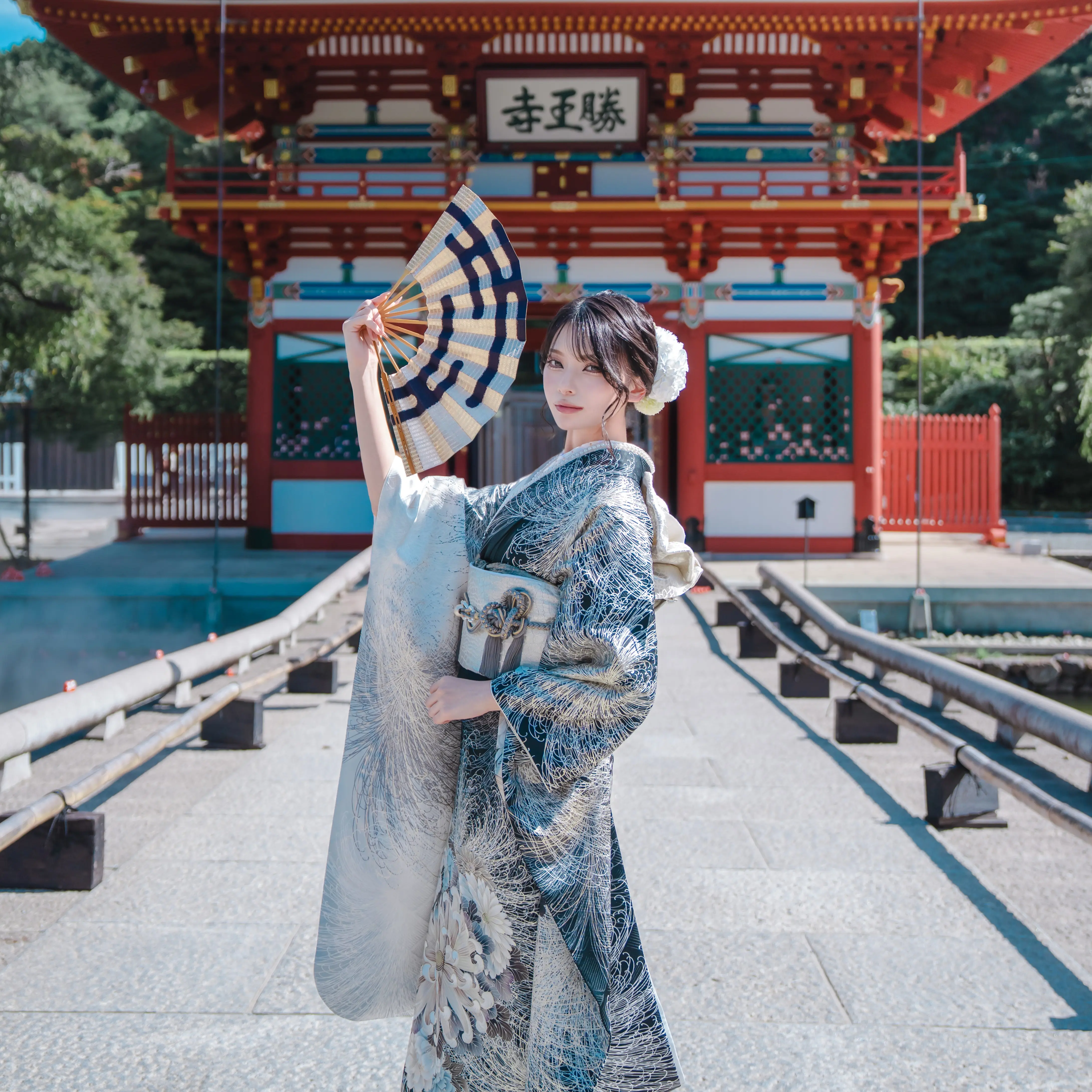
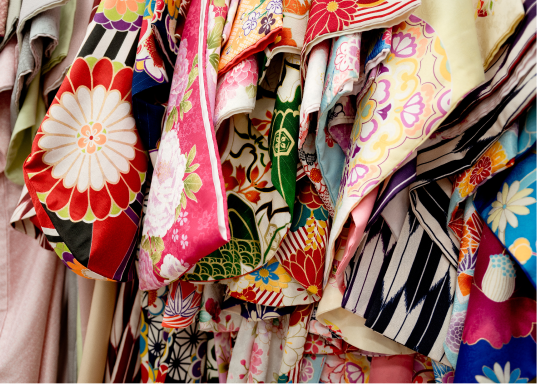
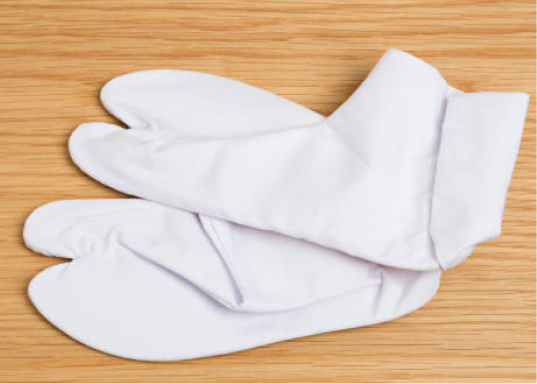
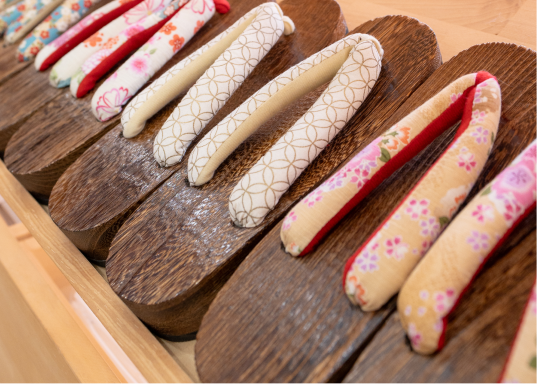
Kawaii Osaka’s adult 90-minute kimono or yukata plan currently costs ¥4,400 per person, including tax. The basic set includes the garment, obi, undergarments, tabi socks, sandals, a bag and the accessories needed for dressing. Summer rentals generally use yukata, while cooler-season rentals use kimono.
The shop advises allowing about 45 minutes to 1 hour 20 minutes from check-in to departure, depending on group size and optional hair styling. This preparation time is separate from the time you spend walking around Namba, so do not schedule another reservation immediately after check-in.
Store: Kawaii Osaka Kimono Rental & Sales
Address: 1-9 Soemoncho, Chuo Ward, Osaka
Nearest station: About one minute from Nippombashi Station’s Exit 6
Phone: +81-6-6732-8070
Hours: 10:00 AM–10:00 PM
Adult 90-minute plan: ¥4,400 per person, including tax
Same-day booking: Available when space remains
Online booking: Available through the official website
Kawaii Osaka lists the store address, phone number, business hours and route from Nippombashi Station on its rental guide.
The outfit must be returned within 90 minutes under the short rental plan. Confirm exactly when the rental period begins before leaving the shop. Late returns may incur an additional fee, so check the current terms shown during booking.
Official-site reservations can be changed or canceled by 5:00 PM on the day before the reservation. Same-day cancellations are nonrefundable, and arriving late may result in cancellation.
Check the Route from Kawaii Osaka to Hozenji Yokocho
Read the Kawaii Osaka Rental Guide
Frequently Asked Questions About Hozenji Yokocho
Is Hozenji Yokocho Free to Visit?
Yes. No ticket is required to walk through the alley or visit the outdoor prayer areas at Hozenji Temple.
Food, drinks, amulets and other purchases cost extra.
How Long Should I Spend There?
Allow 10 to 20 minutes for a quick walk and temple visit.
Allow 20 to 40 minutes when you also want to pray and take photos. Add at least an hour if you plan to eat.
Is Hozenji Yokocho Open 24 Hours?
The outdoor prayer areas at Hozenji Temple are open 24 hours. The temple office is generally open from 10:00 AM to 6:00 PM. Restaurants and bars set their own hours and closing days.
Morning, daytime and early evening are the most practical periods for sightseeing.
Is It Better During the Day or at Night?
Visit during the day for clearer outfit colors and easier phone photography.
Visit in the early evening for lantern light and a livelier restaurant atmosphere.
Visit in the morning when fewer people matter more than open restaurants.
Can I Take Photos at Hozenji Temple?
Check the posted rules when you arrive.
Keep the path to Mizukake Fudo open, turn off the flash and do not photograph worshippers closely without permission.
Can I Visit Hozenji Yokocho in Kimono?
Yes. Kawaii Osaka includes Hozenji Yokocho among the nearby destinations recommended for its 90-minute rental plan.
Walk slowly on the stone pavement, keep long sleeves away from the water and avoid blocking restaurant entrances while taking photos.
Explore Hozenji Yokocho in Kimono
Choose Hozenji Yokocho when you want a short temple and photo stop near Dotonbori.
The alley does not require a full day. Twenty to 40 minutes gives most visitors enough time to see Mizukake Fudo, walk the stone-paved lanes and take a few photos without rushing.
A 90-minute rental works best when you focus on Hozenji Yokocho and nearby Dotonbori locations. Choose a longer rental when you also want a restaurant meal, extended evening photography or destinations outside Namba.
Explore the 90-Minute Kimono and Yukata Plan

 06-6732-8070
  KIMONO RENTAL
SET CONTENT
KIMONO RENTAL
SET CONTENT

 KIMONO RENTAL
HAIR SET/MAKE UP
KIMONO RENTAL
HAIR SET/MAKE UP
 KIMONO RENTAL
Accessories for Kimono & ITEMS
KIMONO RENTAL
Accessories for Kimono & ITEMS
 WAGASA
 KATANA
 LOCATIONSHOOTING