2026.08.27
Midosuji Illumination 2026: Dates, Best Areas, Walking Routes & Namba Guide
kimono rental
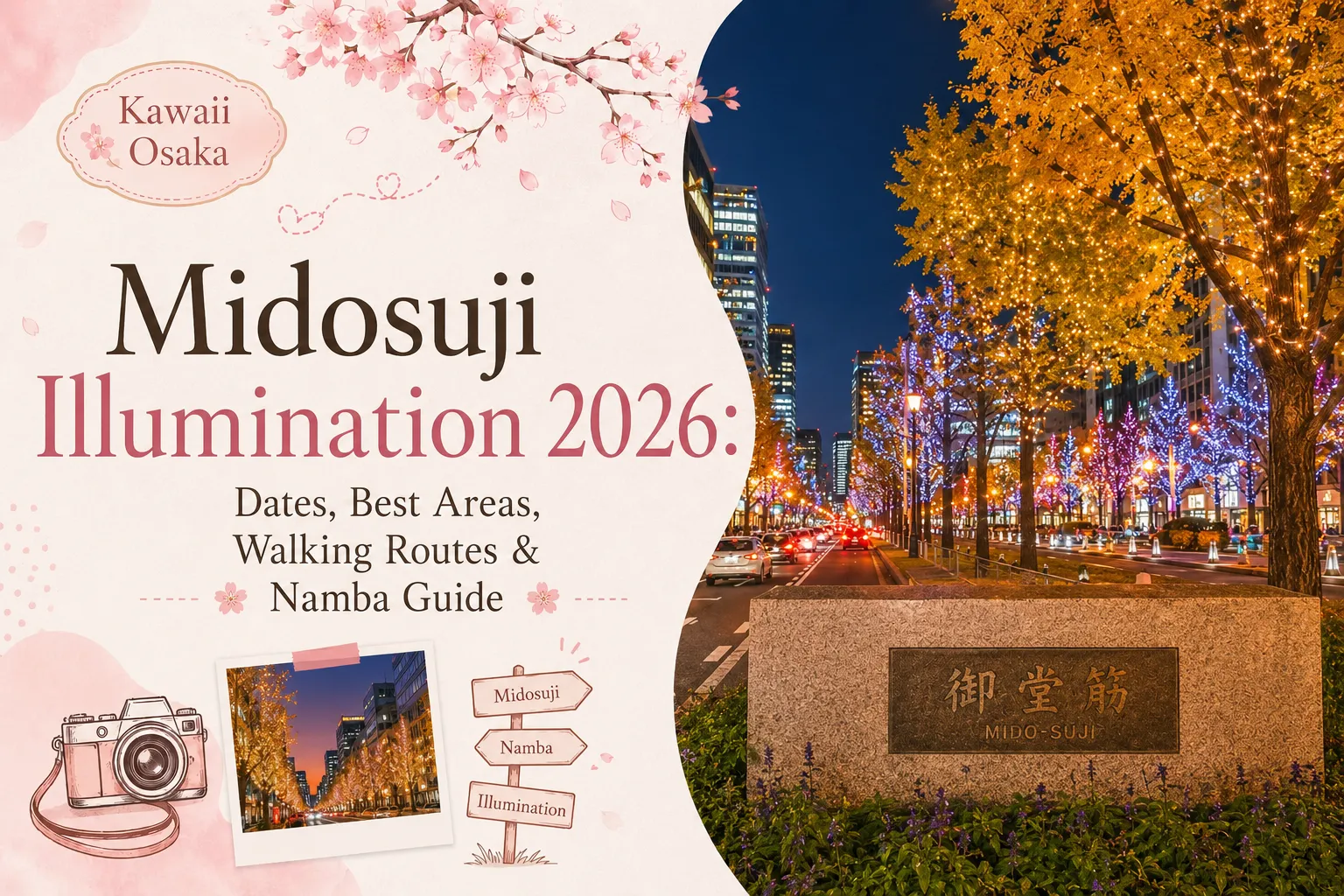
Midosuji Illumination is one of those Osaka winter events that is easy to enjoy without rearranging your whole trip.
In 2026, the lights are scheduled from November 3 to December 31, from around 5:00 PM to 1:00 AM. The illuminated route follows Midosuji for roughly four kilometers, from the Umeda side of central Osaka down to Namba.
The important thing to know is that you do not need to walk all four kilometers. If you are already spending the evening around Dotonbori or Shinsaibashi, a short section near Namba may be all you need. If the illumination itself is one of the highlights of your trip, you can start farther north and turn it into a longer city walk.
The experience also changes depending on when you visit. Late November and early December can overlap with the golden ginkgo season along Midosuji, while visitors from December 11 to 25 can combine the avenue with OSAKA Hikari-Renaissance in Nakanoshima.
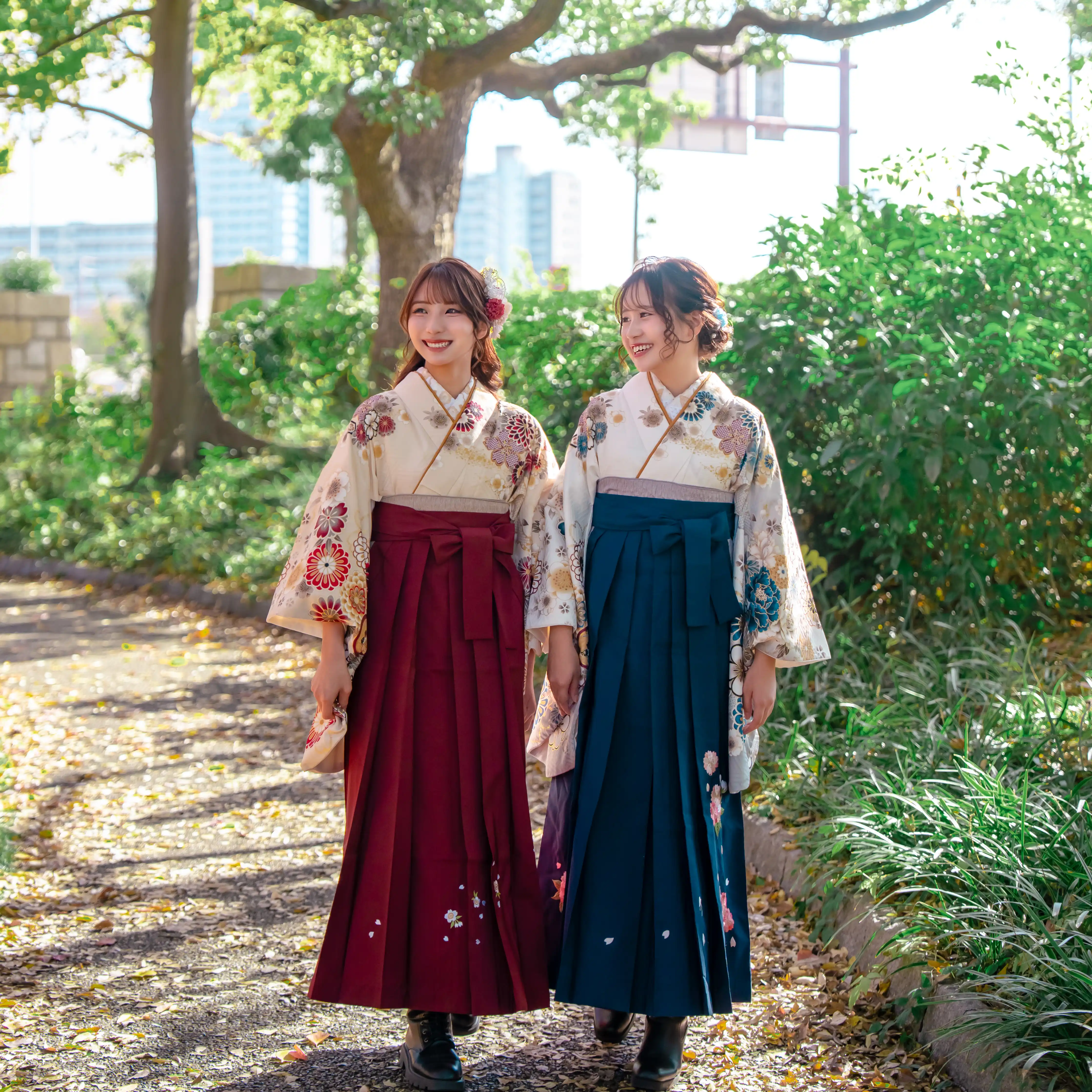
Kawaii Osaka is in Soemoncho near Dotonbori, so the southern end of Midosuji is particularly easy to include in an evening kimono route.
Explore the Kawaii Osaka 1-Day Kimono Rental Plan
Midosuji Illumination 2026 at a Glance
Dates: November 3 to December 31, 2026
Lighting hours: Around 5:00 PM to 1:00 AM
Route: Hanshin-mae intersection to Namba-nishiguchi intersection
Length: Approximately 4 km
Main areas: Umeda, Yodoyabashi, Hommachi, Shinsaibashi and Namba
Admission: No ticket is required to walk along the main illumination
Useful stations: Umeda, Yodoyabashi, Hommachi, Shinsaibashi and Namba
OSAKA Hikari-Renaissance: December 11 to December 25, 2026 around Osaka City Hall and Nakanoshima Park
The overall dates, hours and route have already been announced. Detailed 2026 zone colors and some individual lighting programs may be released later, so do not assume that a 2025 illumination map will be identical in 2026.
Check the Latest Festival of the Lights in OSAKA Information
What Is Midosuji Illumination?
Midosuji Illumination turns Osaka's main north-south boulevard into a long winter light corridor.
Rather than entering a park, garden or ticketed venue, you simply walk along the avenue while the roadside trees are illuminated.
That makes it unusually flexible.
You can see twenty minutes of the lights after shopping in Shinsaibashi, spend an hour walking south from Hommachi, or cover most of the route from Umeda to Namba if you want the illumination to become the main activity of the evening.
Where Is Midosuji?
Midosuji is the broad avenue that connects Umeda in northern central Osaka with Namba in the south.
It passes through Yodoyabashi, Hommachi and Shinsaibashi along the way.
The Osaka Metro Midosuji Line runs beneath much of the same route, which is useful if you decide halfway through the walk that you have seen enough.
The illumination is outside at street level.
You can walk for as long as you like, then enter the subway at one of the stations along Midosuji instead of retracing the route on foot.
How Long Is the Illumination Route?
The illuminated section is roughly
4 km.
Four kilometers can be walked in about an hour at a normal pace without stops.
An illumination visit is slower.
Once you add traffic lights, photographs, crowds and the occasional shop or cafe stop, a full Umeda-to-Namba walk can easily take
90 minutes to two hours.
There is no advantage in completing the full route if that leaves you too tired to enjoy the rest of the evening.
When Should You Visit Midosuji Illumination in 2026?
The event lasts almost two months, but different parts of the season suit different types of trip.
Early November: See the Lights Without Waiting for Christmas
The illumination begins on
November 3.
If your Osaka trip is already scheduled for early November, there is no reason to move it to December just for the event.
The advantage is simple: you can add the illumination to an autumn Osaka itinerary before the busiest Christmas period arrives.
Late November to Early December: Look for Ginkgo and Illumination Together
This is one of the most interesting periods to consider.
Midosuji is lined with more than 800 ginkgo trees, and the leaves commonly turn vivid yellow around late November into early December.
On a well-timed visit, you can see the golden avenue in daylight, stay around Shinsaibashi, Hommachi or Yodoyabashi, and watch the same street change after the lights switch on around 5:00 PM.
The foliage timing depends on the weather each year, so treat this as a seasonal opportunity rather than a guaranteed date.
December 11 to 25: Combine Two Major Light Events
This is the most useful period if winter lights are one of the main reasons for your Osaka visit.
OSAKA Hikari-Renaissance runs from
December 11 to December 25 around Osaka City Hall and Nakanoshima Park.
Because Yodoyabashi sits on Midosuji close to Nakanoshima, you can see both without crossing the city.
A practical evening is:
5:00 PM — Start around Nakanoshima
Early evening — Explore the Hikari-Renaissance area
Later — Walk toward Yodoyabashi and join Midosuji
Evening — Continue south toward Hommachi, Shinsaibashi or Namba
You do not need to walk all the way to Namba if you have already spent a long time in Nakanoshima.
December 31: The Final Night
December 31 is currently scheduled as the final day of Midosuji Illumination 2026.
If you plan to visit late on New Year's Eve, check transport and event updates again before travelling.
Crowds and operating conditions around central Osaka may differ from a normal December evening.
Where Should You See Midosuji Illumination?
The best section depends on how much time you actually have.
If You Have About 30 Minutes: Namba to Shinsaibashi
This is the easiest route for most first-time visitors staying around Minami.
Start around Namba and walk north along Midosuji toward Shinsaibashi.
You can see the illuminated trees without committing the entire evening to one event.
Afterward, you are still close to:
・Dotonbori
・Ebisu Bridge
・Hozenji Yokocho
・Shinsaibashi-suji Shopping Street
・Namba
This route is particularly useful if your main plans are dinner and Dotonbori, with the illumination as an extra winter experience.
If You Have Around One Hour: Hommachi to Namba
Start around Hommachi Station and walk south.
The first part passes through a more business-oriented section of Midosuji before the atmosphere gradually becomes busier around Shinsaibashi and Namba.
That change is part of the appeal.
You get more variety than simply walking around one intersection, but you still finish in an area with plenty of restaurants and things to do.
If an hour begins to feel too long, Shinsaibashi Station gives you an easy place to stop.
If You Want the Full Walk: Umeda to Namba
Start near the northern end around Umeda and walk south.
This direction has one major advantage: Namba is waiting at the end.
After spending 90 minutes or more outdoors, you can finish with dinner, Dotonbori or your hotel instead of needing another sightseeing plan.
Allow approximately
90 minutes to two hours if you want to stop for photographs.
If you begin feeling tired around Yodoyabashi or Hommachi, use the subway.
Completing every kilometer is optional.
If You Want Fewer People Around You: Try the Central Sections
Umeda, Shinsaibashi and Namba naturally attract large numbers of people because they are major shopping and transport areas.
If having more space matters to you, the business-district sections around Yodoyabashi and Hommachi can be easier to enjoy than standing around the busiest Minami intersections.
Past visitor guides have also tended to identify early evening, particularly around dinner time, as the busiest part of the night, while later hours and central sections can feel calmer. This is a past-year tendency rather than a guaranteed 2026 crowd forecast.
Is Umeda or Namba Better for Midosuji Illumination?
Start from Umeda if the illumination itself is the plan. Use Namba if the illumination is part of a larger evening.
That difference matters more than deciding which end is “better.”
Choose Umeda for a Long Southbound Walk
Umeda works well if you have already spent the afternoon around Osaka Station.
You can shop, eat something early and then begin walking south when the lights come on.
If you make it all the way to Namba, the evening naturally finishes in one of Osaka's main entertainment districts.
If not, simply take the subway from Yodoyabashi, Hommachi or Shinsaibashi.
Choose Namba for Dotonbori and a Shorter Evening
Namba is better when you are staying in Minami or want to combine the lights with Dotonbori.
Walk north from Namba toward Shinsaibashi, enjoy the illumination for as long as you like, then return toward the canal for dinner.
There is no need to take a train to Umeda simply because the official route begins farther north.
Do You Have to Walk All 4 km?
No.
A four-kilometer illumination route is an option, not a challenge to complete.
Use the Midosuji Line to Skip Sections
Umeda, Yodoyabashi, Hommachi, Shinsaibashi and Namba are all on the Osaka Metro Midosuji Line.
That gives you several ways to shorten the evening.
For example:
・Umeda → walk to Yodoyabashi → subway to Namba
・Hommachi → walk to Shinsaibashi → dinner nearby
・Shinsaibashi → walk to Namba → Dotonbori
You can also take the subway north first and walk back toward your hotel instead of making a round trip on foot.
Can You See the Lights Without a Long Walk?
Yes.
Choose one or two blocks around Shinsaibashi, Namba, Hommachi or Yodoyabashi.
You still get the atmosphere of the illuminated trees without spending an hour outdoors.
Some visitors have also viewed stretches of Midosuji from taxis or vehicles, but traffic and window position make that much less predictable than walking.
For most travelers, a short walk followed by the subway is simpler.
Is the Full Route Suitable for Families or Older Travelers?
Not always.
The complete route may be unnecessary for children, older travelers or anyone already doing a full day of sightseeing.
Traveler itinerary discussions involving older family members often combine Midosuji with Dotonbori, Shinsaibashi and Nakanoshima rather than treating the entire four-kilometer walk as mandatory.
A shorter route is usually easier.
For Families with Children
Try:
Shinsaibashi → Namba
You stay close to shops, restaurants and stations, and there are plenty of ways to change plans if someone becomes tired.
There is little benefit in keeping a child outside for four kilometers simply to cover the full event.
For Older Travelers
Choose a section near a station.
Yodoyabashi, Hommachi, Shinsaibashi and Namba all make it easy to stop walking when needed.
A 20- to 30-minute stretch can provide the same basic experience without turning the evening into an endurance test.
Can You See Autumn Ginkgo and Midosuji Illumination on the Same Day?
Often, yes, if the foliage timing lines up.
This is one of the most distinctive ways to experience Midosuji.
The ginkgo leaves typically turn yellow in late November, with late November to early December often providing a strong autumn streetscape.
You could spend the afternoon around Hommachi or Shinsaibashi while the leaves are still visible in daylight, then remain until the illumination begins.
A Suggested Ginkgo and Illumination Schedule
3:30 PM — Arrive around Hommachi or Shinsaibashi
Late afternoon — Walk along Midosuji while the ginkgo leaves are visible
Around 5:00 PM — Watch the illumination begin
Early evening — Continue south toward Namba
Later — Have dinner around Dotonbori
The exact sunset and foliage conditions change through the season, so keep the schedule flexible.
What Can You Do Before the Lights Turn On?
You do not need to wait inside a cafe until 5:00 PM.
Midosuji has enough to see during the day.
See the Ginkgo Avenue
In late autumn, the trees themselves are one of the attractions.
The avenue contains more than 800 ginkgo trees, creating a long yellow corridor when the leaves reach their seasonal peak.
Look for the Midosuji Sculpture Street
Between Shinsaibashi and Yodoyabashi, Midosuji also functions as an outdoor sculpture route.
There are currently 29 sculptures by Japanese and international artists, including works associated with Auguste Rodin, Henry Moore and other major names.
You do not need to turn this into a formal art tour.
Simply noticing a few sculptures gives you something else to look at while walking before sunset.
Shop Around Shinsaibashi
Shinsaibashi is the easiest place to spend the late afternoon if you plan to see the southern part of the illumination.
Shop first, step onto Midosuji after the lights come on, then continue toward Namba.
This avoids unnecessary backtracking.
What Is the Difference Between Midosuji Illumination and OSAKA Hikari-Renaissance?
They are different winter light events.
Both belong to Festival of the Lights in OSAKA, which is why they are sometimes grouped together in travel guides.
Midosuji Illumination
Dates: November 3 to December 31, 2026
Location: Midosuji from Umeda to Namba
Best for: A flexible city walk
You can join the route anywhere and leave whenever you want.
OSAKA Hikari-Renaissance
Dates: December 11 to December 25, 2026
Location: Around Osaka City Hall and Nakanoshima Park
Best for: A more concentrated waterfront light event
Individual content times can differ.
Should You See Both?
Yes, if you are in Osaka between December 11 and 25 and enjoy winter illuminations.
A practical route is:
Nakanoshima → Yodoyabashi → Midosuji → Hommachi → Shinsaibashi or Namba
You do not need to complete the full Midosuji route after spending time in Nakanoshima.
Stop at Shinsaibashi if that already feels like enough walking.
What Time Is Best for Photos?
The answer depends on whether the person or the lights should be the main subject.
Around 5:00 PM for More Natural Light
The illumination begins at around 5:00 PM.
Depending on the date, there may still be some remaining ambient light.
This can make it easier to photograph faces, clothing details and the surrounding street.
For kimono portraits, this transition period can be easier than waiting until the sky is completely dark.
After Dark for Stronger Illumination
Once the sky darkens, the trees become much more prominent.
This is the classic winter illumination look.
The busiest intersections are not necessarily the best places for a portrait.
If Shinsaibashi feels crowded, walk a little farther north or south and look for a stretch with more space.
Later in the Evening for a Slower Pace
The lights continue until around
1:00 AM in 2026.
You can therefore eat dinner first and walk afterward.
Do not choose a very late time without checking your final train, hotel access or rental return deadline.
Does Rain Cancel Midosuji Illumination?
Usually, no.
The main illumination is generally held in rainy weather, although specific programs may be changed or canceled depending on conditions.
Rain does not automatically ruin the experience.
Wet pavement can reflect the lights, but umbrellas, slippery surfaces and slower walking matter more than the visual effect.
If the weather turns unpleasant, reduce the route to Shinsaibashi–Namba or another short station-to-station section.
What Should You Know About Crowds?
Midosuji is four kilometers long, so the entire route does not become equally crowded.
The busiest feeling tends to be around major commercial areas and popular evening times.
Past-year guides have pointed to the period around
5:00 PM to 8:00 PM, December weekends and Christmas dates as times when popular sections can feel busier.
This should be treated as a planning reference rather than a 2026 crowd guarantee.
If You Want More Space for Photos
Try one of these:
・Visit later in the evening
・Walk around Hommachi rather than staying only in Namba
・Move away from major station intersections
・Take the portrait quickly and move away from the pedestrian flow before checking the photo
A quieter section with the same trees can produce a better photograph than waiting for the most famous intersection to become empty.
Can You Visit Midosuji Illumination in a Kimono?
Yes.
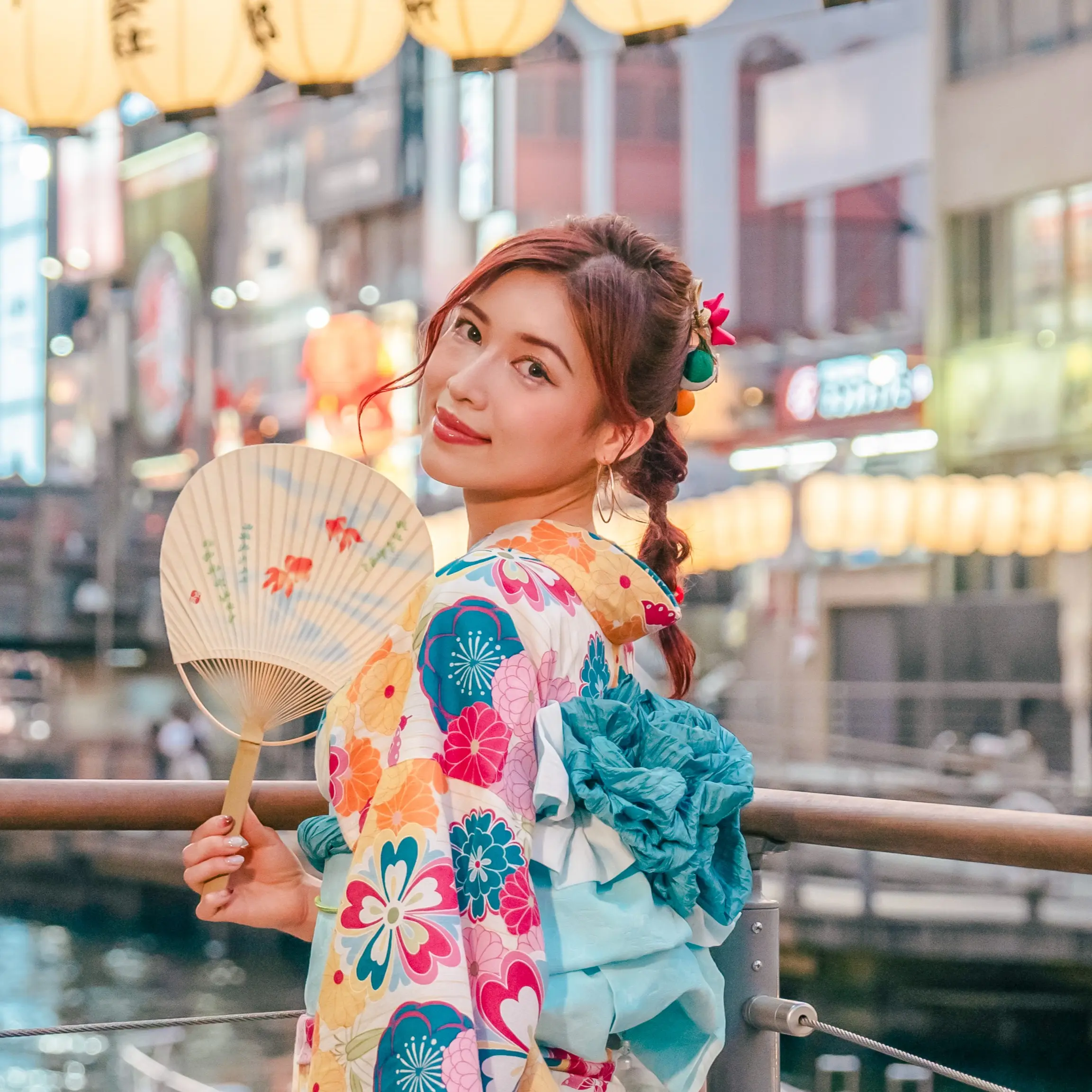
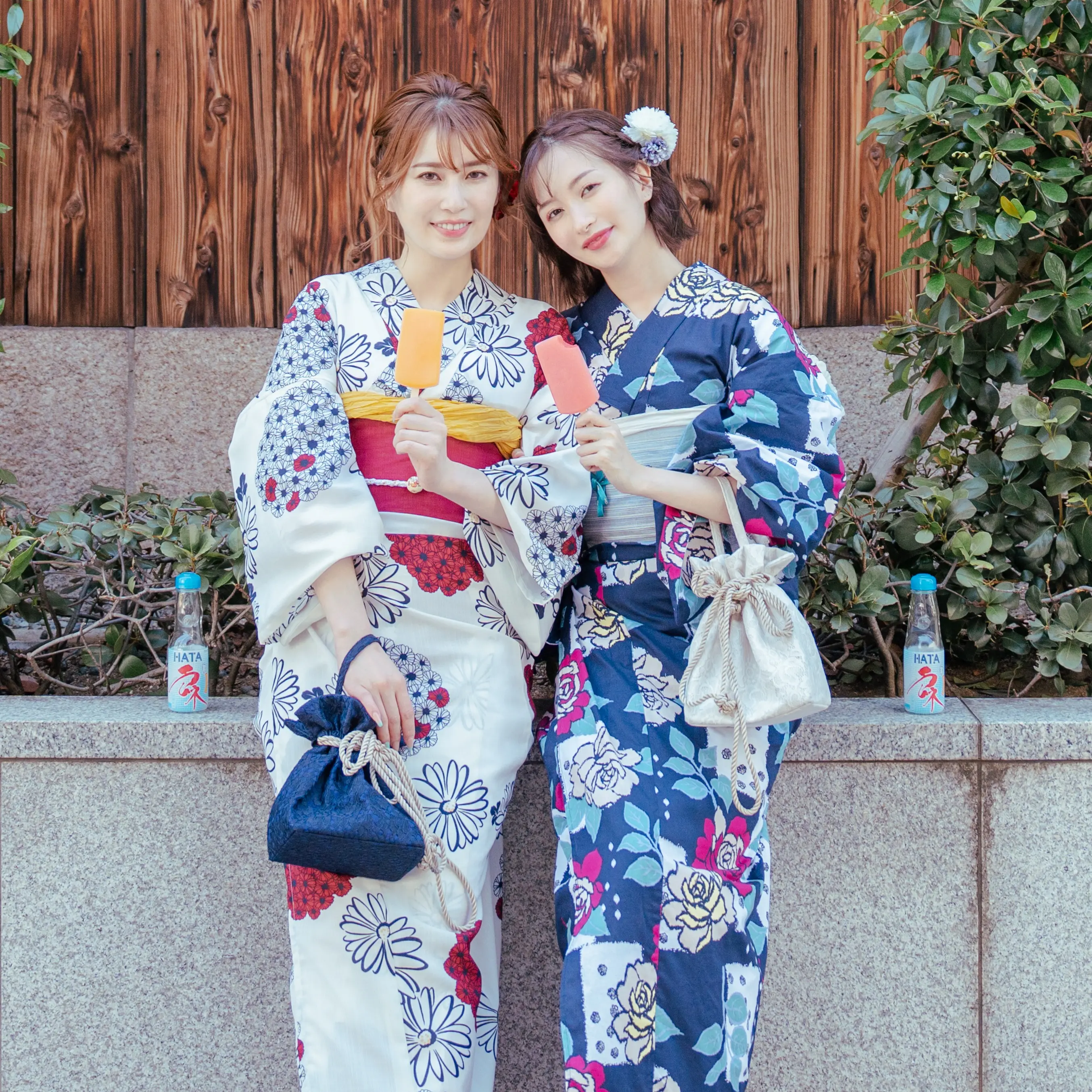
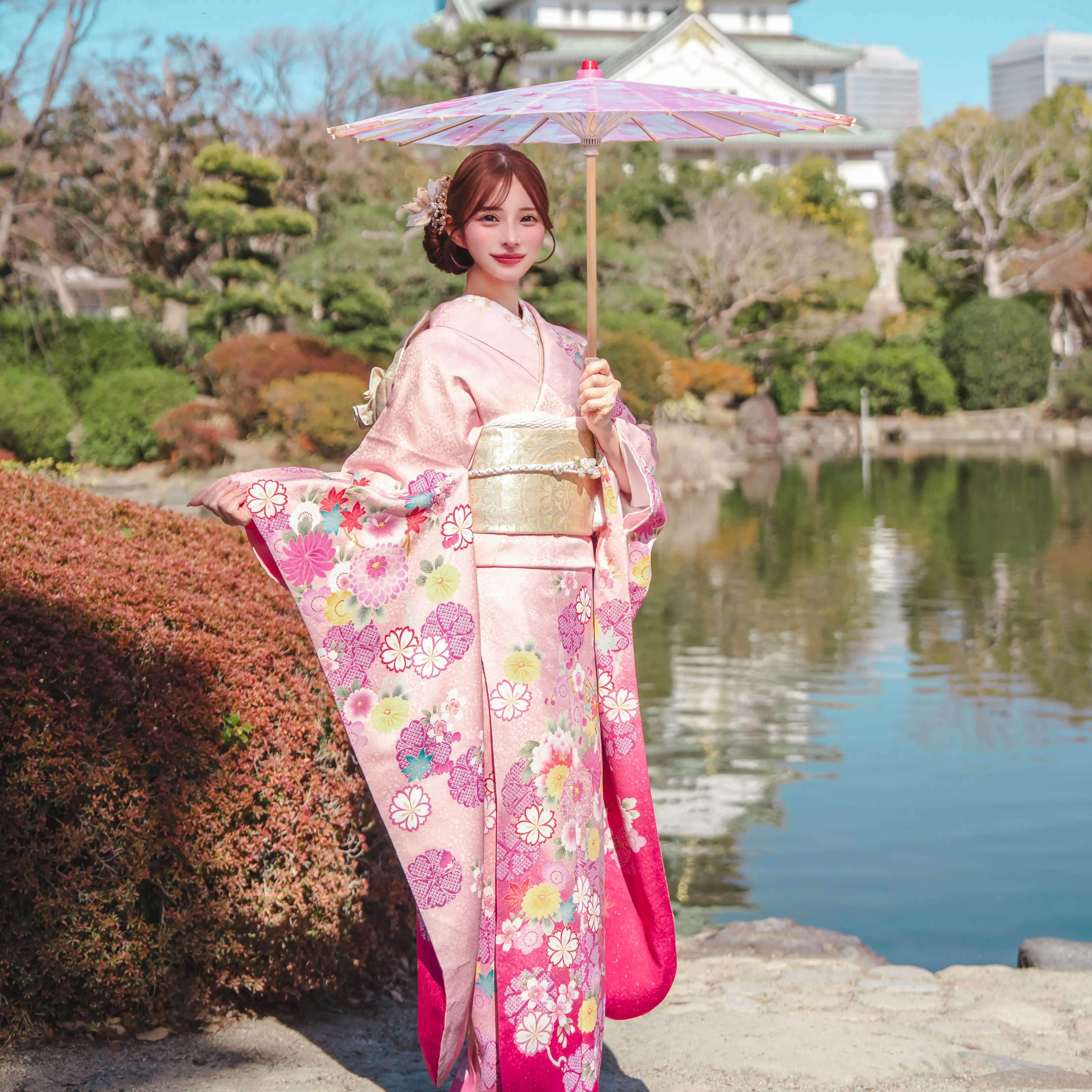
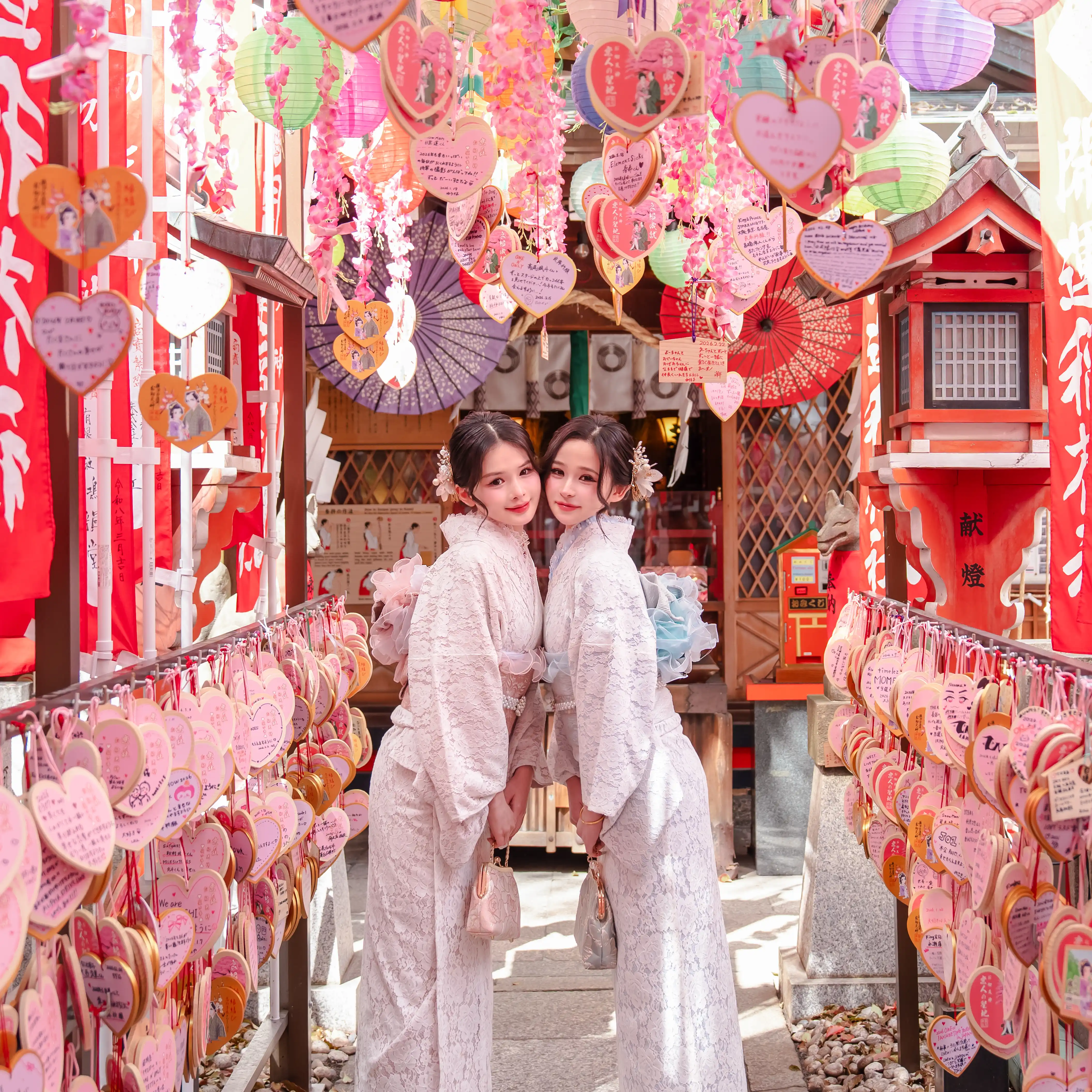
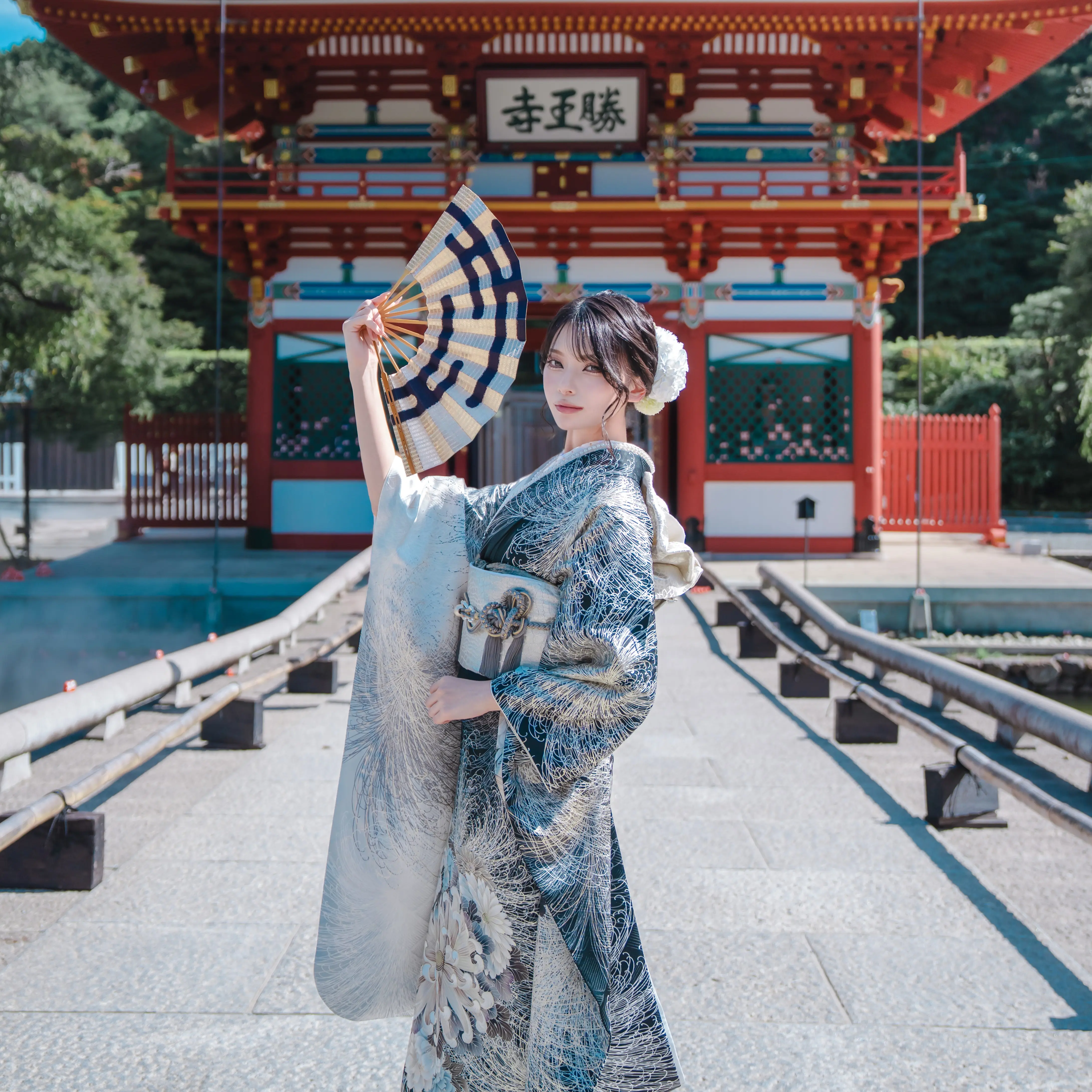
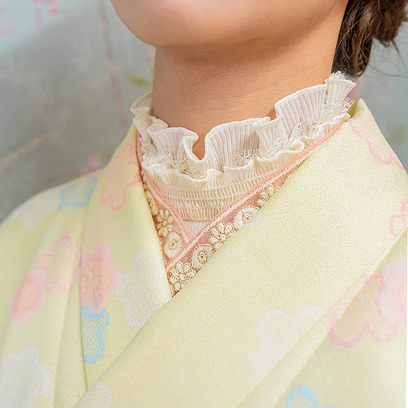
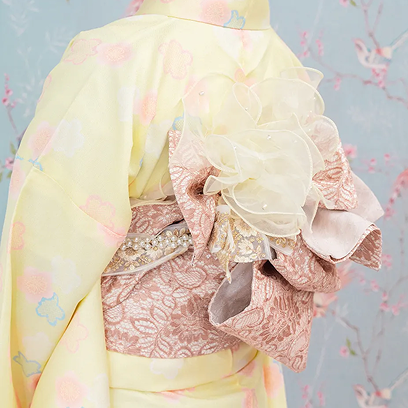
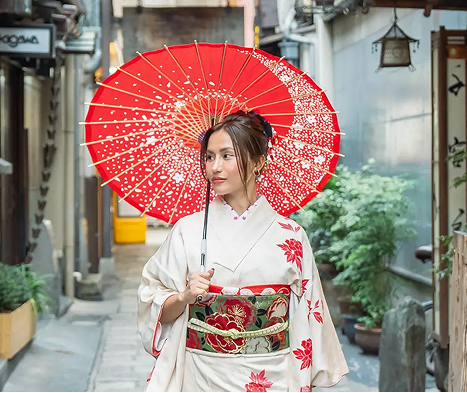
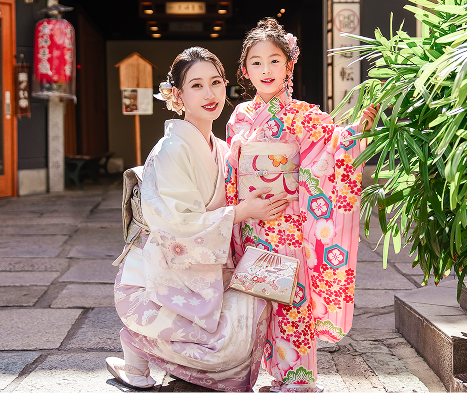
Winter sightseeing rentals at Kawaii Osaka use kimono rather than summer yukata under the current seasonal plan.
The southern Midosuji section is especially practical because Kawaii Osaka is in Soemoncho near Dotonbori.
Which Route Is Easiest in Kimono?
For most first-time wearers:
Kawaii Osaka → Dotonbori → Namba-side Midosuji → Shinsaibashi → return toward Soemoncho
This gives you an illuminated city walk without asking you to cover the full four kilometers in unfamiliar clothing.
You can also shorten the route at any point.
Can You Use the 90-Minute Plan?
Yes, for a short Minami route.
Kawaii Osaka currently lists its adult 90-minute plan at
¥4,400 including tax, with return required within 90 minutes.
Keep the route around nearby Namba, Dotonbori and the southern part of Midosuji.
Do not use a short rental window for a walk toward Hommachi or Umeda.
A focused plan could be:
Start — Leave Kawaii Osaka
Next — Walk toward Dotonbori and Midosuji
Illumination — Take photos around the Namba-side trees
Optional — Add a short Dotonbori or Hozenji walk
Finish — Return without adding a long restaurant stop
Compare Short and One-Day Kimono Rental Options
When Is the 1-Day Plan Better?
Choose the 1-day plan when you want to combine the illumination with daytime sightseeing, shopping or dinner.
The current adult 1-day plan is listed at
¥5,500 including tax and must be returned by
9:00 PM.
That deadline matters.
Midosuji Illumination continues until around 1:00 AM, but a rental kimono cannot simply be kept until the lights turn off.
Plan backward from 9:00 PM.
For example:
3:00 PM to 4:30 PM — Explore Dotonbori or Shinsaibashi in daylight
Around 5:00 PM — See Midosuji as the illumination begins
5:00 PM to 7:00 PM — Walk the Namba–Shinsaibashi area and take photos
Evening — Return toward Soemoncho with enough time before the rental deadline
The exact dressing and departure time varies, so do not treat this as a fixed appointment schedule.
Check the Current Kawaii Osaka 1-Day Kimono Plan
Should You Walk All 4 km in Kimono?
You can, but most visitors do not need to.
Four kilometers means a long time standing, waiting at traffic lights and walking in footwear that may feel different from what you normally wear.
If photographs and the atmosphere are your priorities, the Namba–Shinsaibashi section gives you plenty of illuminated scenery without turning the evening into a long-distance walk.
Comfort makes a better memory than completing the entire route simply because it exists.
Which Route Fits Your Osaka Trip?
The easiest way to choose is to start with the rest of your itinerary.
If You Are Already in Dotonbori
Choose:
Dotonbori → Namba → Midosuji → Shinsaibashi
Spend 30 to 60 minutes on the illumination and return to Minami for dinner.
If You Spent the Afternoon in Umeda
Choose:
Umeda → walk south along Midosuji → stop whenever you are ready
If you still have energy, continue toward Namba.
If not, take the Midosuji Line from Yodoyabashi, Hommachi or Shinsaibashi.
If You Want Ginkgo and Illumination
Choose a late-November or early-December afternoon around:
Hommachi → Shinsaibashi
See the trees before sunset, then remain on Midosuji as the lights come on.
If You Visit December 11 to 25
Choose:
Nakanoshima → Yodoyabashi → Midosuji → Shinsaibashi or Namba
This combines two major winter light experiences without unnecessary cross-city travel.
If You Are Traveling with Children or Older Family Members
Choose:
Shinsaibashi → Namba
Keep the route short and stay close to stations, shops and restaurants.
There is no reason to turn a pleasant evening into a four-kilometer test.
If You Are Wearing Kimono
Choose:
Kawaii Osaka → Dotonbori → southern Midosuji → Shinsaibashi → return
You get several different Osaka backgrounds while keeping the walking distance manageable.
Plan Your Midosuji Illumination Night Around the Trip You Actually Want
Midosuji Illumination 2026 runs from
November 3 to December 31, with the lights scheduled from around
5:00 PM to 1:00 AM along approximately four kilometers between Umeda and Namba.
You do not need to see all four kilometers.
For a first Osaka trip, the Namba–Shinsaibashi section is usually the easiest choice because Dotonbori, shopping, restaurants and stations remain close by.
If the illumination itself is one of your main plans, start farther north and walk toward Namba.
Late November and early December can add the golden Midosuji ginkgo trees to the experience, while December 11 to 25 gives you the option of combining Midosuji with OSAKA Hikari-Renaissance in Nakanoshima.
Families, older travelers and anyone tired after a full sightseeing day can simply choose one station-to-station section and use the subway afterward.
For a winter kimono evening, the southern end of Midosuji is also the most practical from Kawaii Osaka. You can see the illumination, Dotonbori and Shinsaibashi in the same part of the city without turning the night into a long-distance walk.
Choose the section that fits your time, energy and other plans. Midosuji works best when the lights become part of your Osaka evening rather than a route you feel obliged to complete.
Browse Kimono Rental Plans for Your Winter Evening in Osaka

 06-6732-8070
  KIMONO RENTAL
SET CONTENT
KIMONO RENTAL
SET CONTENT


 KIMONO RENTAL
HAIR SET/MAKE UP
KIMONO RENTAL
HAIR SET/MAKE UP
 KIMONO RENTAL
Accessories for Kimono & ITEMS
KIMONO RENTAL
Accessories for Kimono & ITEMS
 WAGASA
 KATANA
 LOCATIONSHOOTING