What Is a Hakama? | The Timeless Samurai Pants of Japan
When you imagine a samurai standing proudly with a sword, or a martial artist bowing before practice, you’re likely picturing them wearing a wide, pleated garment called a hakama. But what exactly is a hakama, and why has it remained one of Japan’s most iconic forms of traditional dress for centuries?
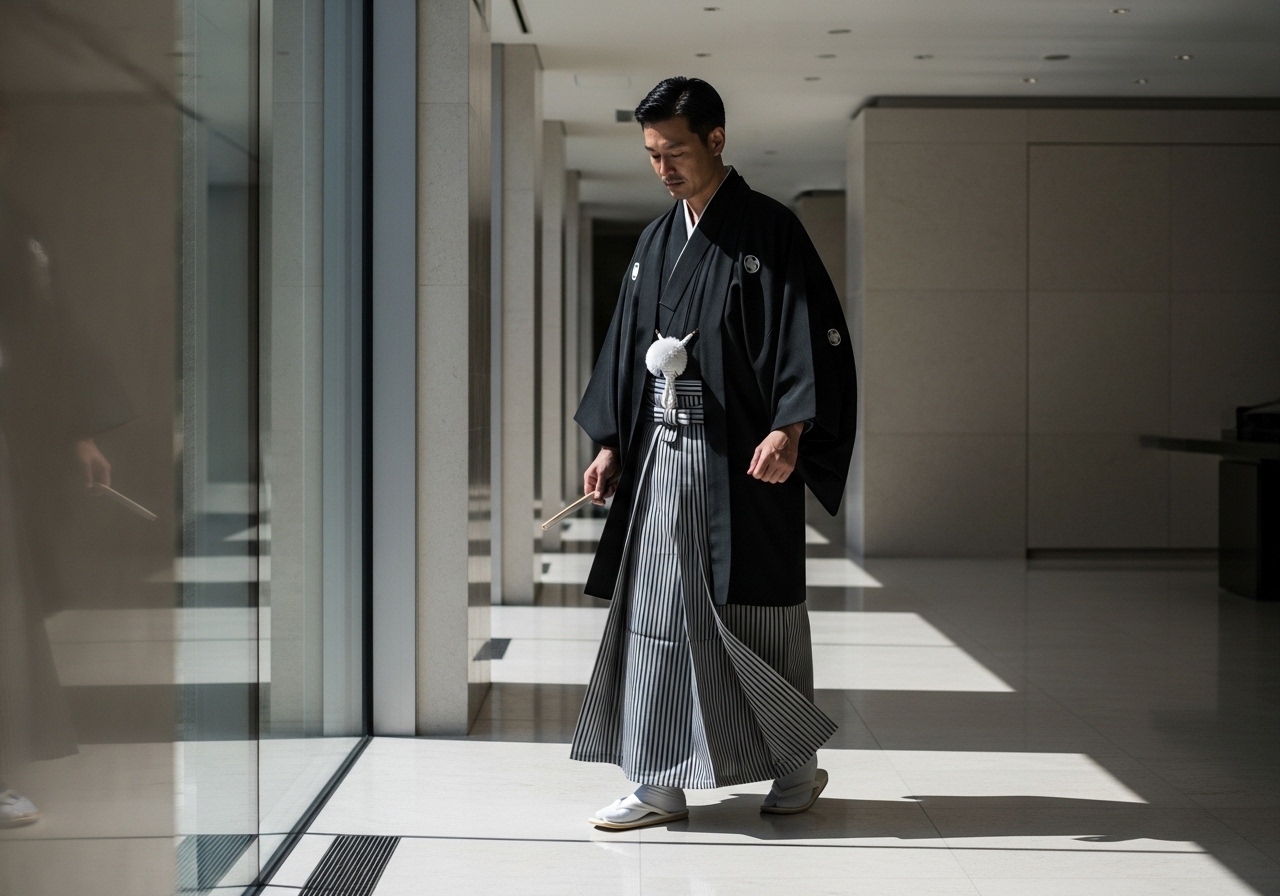
A hakama is a type of traditional Japanese pants—or more precisely, a pleated skirt-like garment—worn over a kimono. It is instantly recognizable for its distinctive silhouette: a high waist, long pleats, and a flowing form that adds dignity to every movement. While most people associate it with samurai and martial arts, the hakama has a history that stretches far beyond the battlefield.
The Origins of the Hakama
The hakama dates back over a thousand years, to Japan’s Heian period (794–1185). In those days, it was worn by nobles and court officials as part of their formal attire. The wide-legged design allowed for graceful sitting and movement, particularly when kneeling on tatami mats.
During the later samurai era, the hakama evolved from court fashion into a symbol of discipline and honor. Samurai wore it daily, not only as a practical garment that protected their legs but also as a marker of their social class and education. Each pleat represented a moral virtue—such as courage, respect, or sincerity—reflecting the warrior’s code of conduct known as bushidō.
Structure and Design
A traditional hakama is usually made of silk or cotton and features seven pleats—five in the front and two in the back. These pleats are not merely decorative; they must be folded precisely each time the garment is worn, reflecting care and mindfulness.
The garment is secured by long ties called himo, which wrap around the waist several times and are knotted in the back. Unlike Western trousers, the hakama does not have buttons or zippers. Its elegance lies in the way it drapes naturally over the body, creating clean vertical lines that move gracefully with every step.
There are two main styles of hakama:
Umanori (divided) – similar to wide-legged pants, with separate sections for each leg. This style is common in martial arts like aikidō and kendō.
Andon-bakama (undivided) – looks more like a skirt, traditionally worn for formal or ceremonial occasions.
Who Wears the Hakama Today?
Although no longer everyday wear, the hakama continues to hold cultural importance in modern Japan.
You’ll see it in a few key settings:
Martial arts: Aikido, Kendo, Iaido, and Kyudo practitioners wear hakama as a sign of discipline and respect.
Ceremonies: Graduations, weddings, and coming-of-age events often feature men (and sometimes women) in formal hakama.
Shrine maidens: Female attendants at Shinto shrines, known as miko, wear bright red hakama paired with white kimono tops.
Traditional performances: Noh actors, tea masters, and dancers may also wear hakama as part of their attire.
The hakama’s versatility is what makes it timeless—it adapts to different purposes while preserving its dignified form.
Symbolism and Cultural Meaning
The hakama embodies more than style; it expresses values. In samurai culture, every pleat symbolized a moral principle: honesty, respect, loyalty, duty, compassion, honor, and courage. Wearing a hakama properly was a daily act of mindfulness and discipline—an outward reflection of one’s inner state.
Even today, people who wear a hakama during a ceremony or martial art describe a subtle change in posture and attitude. The garment demands composure; it slows the wearer’s movements, encouraging balance and presence. In this way, the hakama remains not only a piece of clothing but a quiet teacher of Japanese aesthetics and spirit.
Hakama in Modern Fashion
In recent years, the hakama has inspired designers worldwide. Modern hakama pants reinterpret the wide pleats and straight silhouette in contemporary fabrics like denim or linen. They appear on runways and street fashion, merging Japanese tradition with minimalist style.
Brands in Tokyo, Paris, and New York have embraced the hakama’s structure as a unisex design that blends comfort and elegance—a testament to how timeless this garment truly is.
Wearing a Hakama: Experience and Etiquette
Putting on a hakama is an art in itself. The garment must be folded carefully and tied in a specific way. The pleats need to align straight, the knot must be centered, and the front should remain smooth. Traditionally, one learns to wear it from a teacher, not just by instruction but by observation—mirroring Japan’s deep respect for practice and form.
Many kimono rental shops in Kyoto, Osaka, and Tokyo now offer hakama experiences for visitors. Wearing one for a photo shoot or tea ceremony allows you to step directly into Japan’s history—moving, quite literally, in the footsteps of samurai and nobles.
Final Thoughts
The hakama is much more than an old-fashioned outfit. It’s a bridge between eras—a reminder of how Japan’s values of discipline, beauty, and respect have endured. Whether on a martial arts mat, in a shrine courtyard, or walking the streets of Kyoto, the hakama continues to whisper stories from centuries past.
To wear one is not just to dress in Japanese tradition, but to feel its rhythm: calm, deliberate, and timeless.






 BOOK NOW