TOPICS
New Year Bunraku Performance Near Our Shop (Jan 3–27, 2026)
From January 3 to January 27, 2026, the New Year Bunraku Performance will be held at the National Bunraku Theatre, just a 5-minute walk from our shop.
Bunraku is a traditional Japanese puppet theater with a history of over 300 years, and it is one of Japan’s most treasured performing arts.
This is a rare opportunity to experience an incredible cultural performance—don’t miss it!
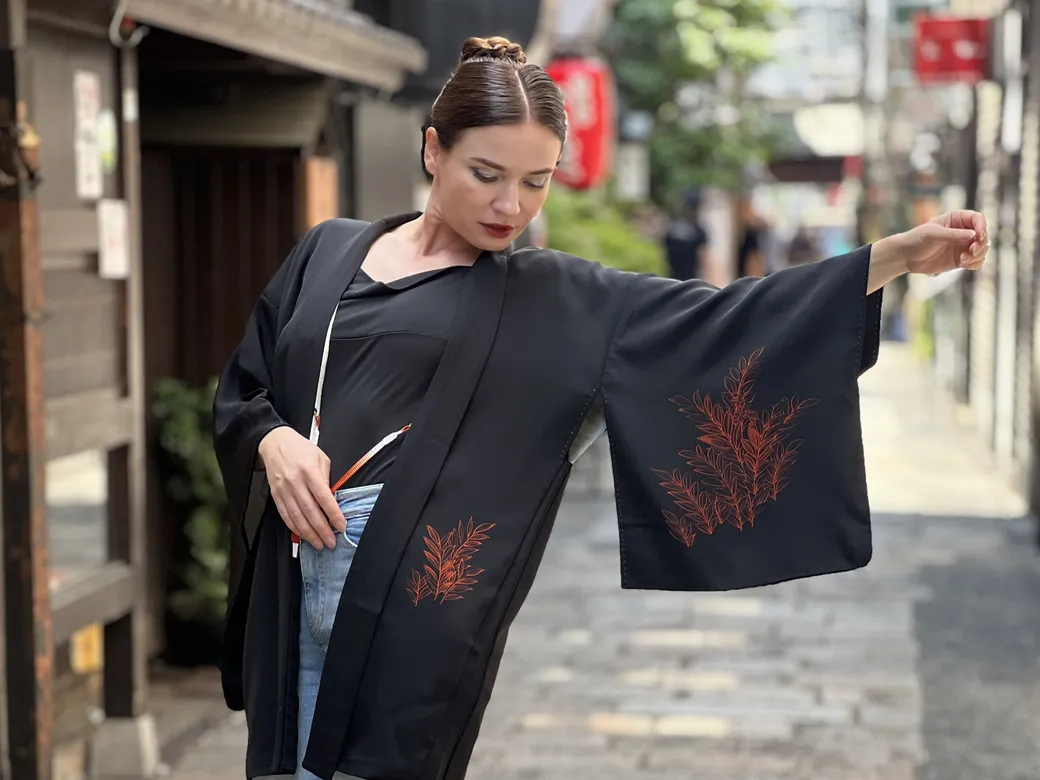
We also highly recommend going to see Bunraku wearing a kimono for a truly authentic experience.
Leaflets with detailed information are available at our store.
Our shop is open year-round.
Limited Edition Women’s Yukata Lucky Bag – Amazing Value
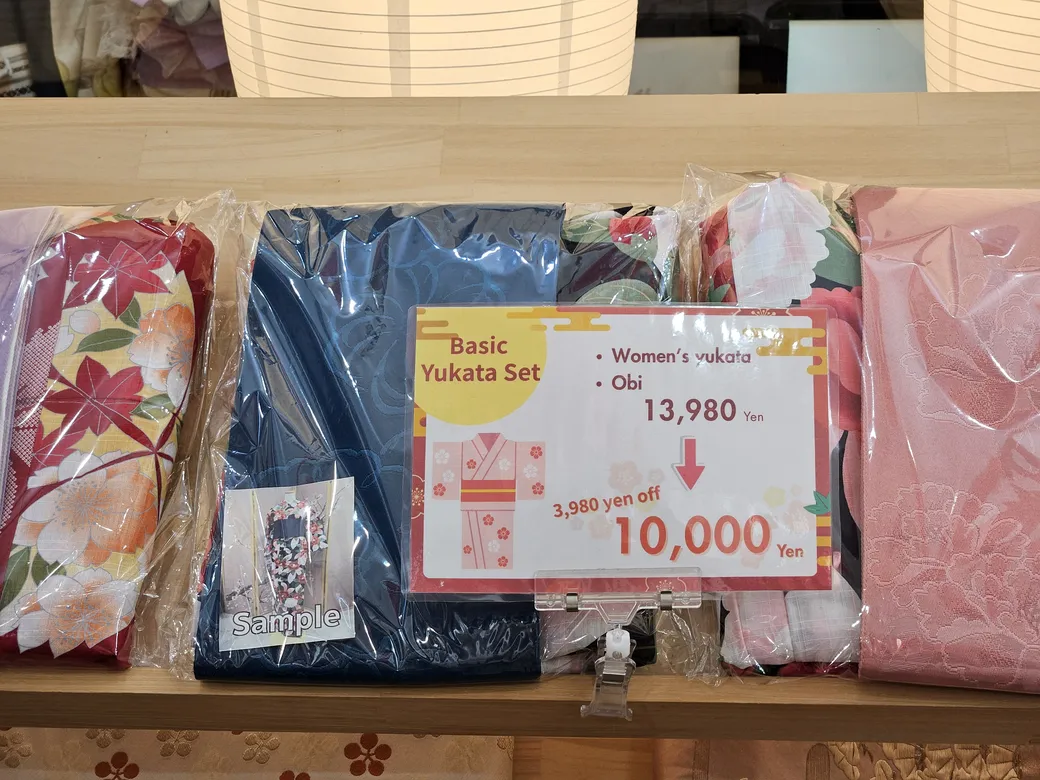
Our Women’s Yukata Lucky Bag will be available from December 25, in limited quantity only.
Each lucky bag includes a fully coordinated yukata set with a yukata, obi belt, and ties.
A styling image is included, so you can wear it right away with confidence.
Why this Lucky Bag is a great deal
Regular total price: ¥15,070
Lucky Bag price: ¥10,000 (Tax Included)
Fully coordinated by our staff — no guesswork
Ready to wear immediately
This special set offers exceptional value and is perfect for travelers who want an authentic Japanese yukata without spending extra time or money.
Limited stock / In-store only
Popular styles sell out quickly, so we recommend visiting early.
Yukata Lucky Bags & Men’s Kimono Sets – Available from Dec 25
We are excited to announce the launch of our Yukata Lucky Bags and Men’s Kimono Full Sets, available from December 25.
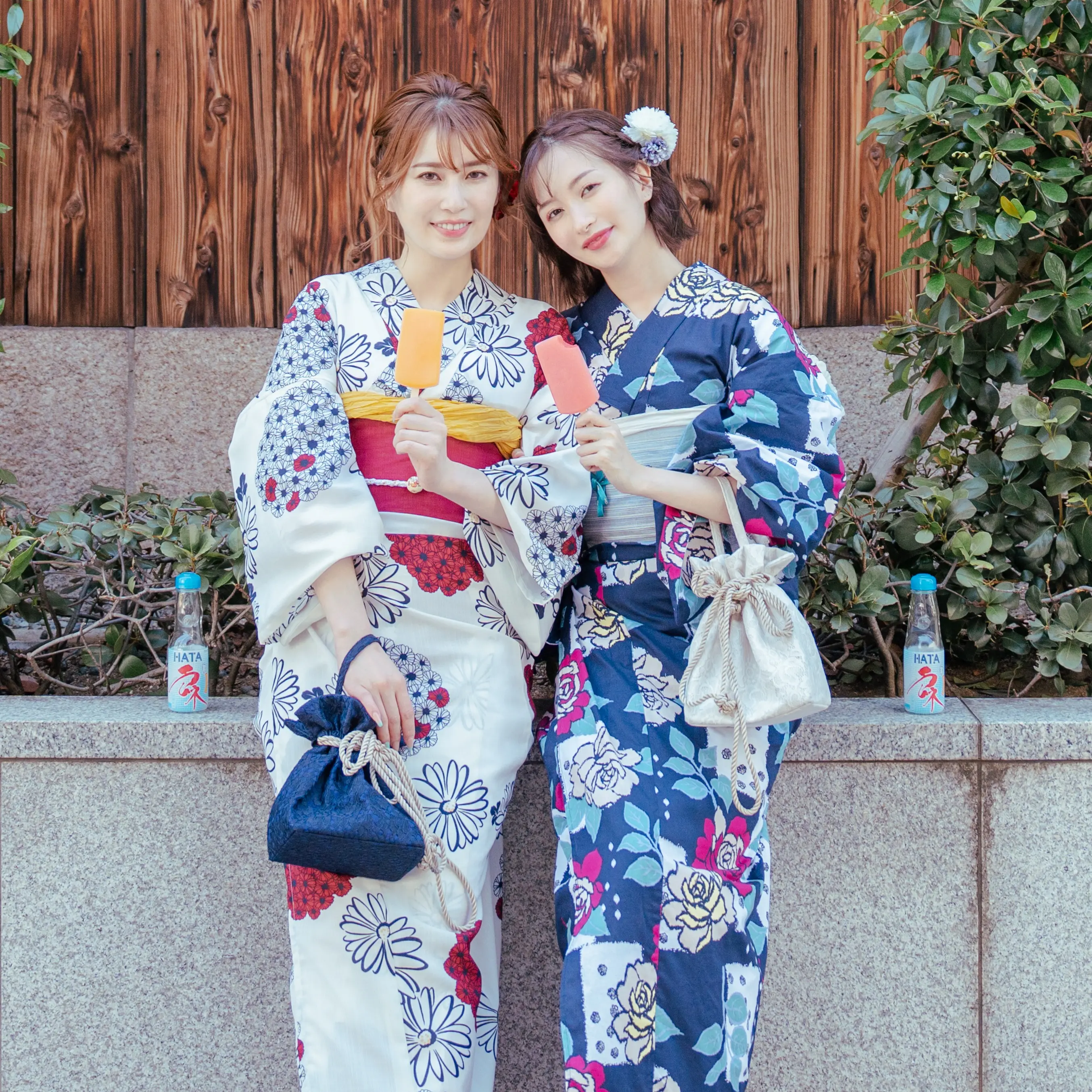
Yukata Lucky Bag – ¥10,000 (Tax Included)
Each lucky bag includes a yukata, obi belt, and ties, all carefully coordinated.
A styling image is included, so you can enjoy wearing it right away.
Perfect for festivals or as a memorable souvenir from Japan.
Limited quantity available.
Men’s Kimono Full Set – ¥35,000 (Tax Included)
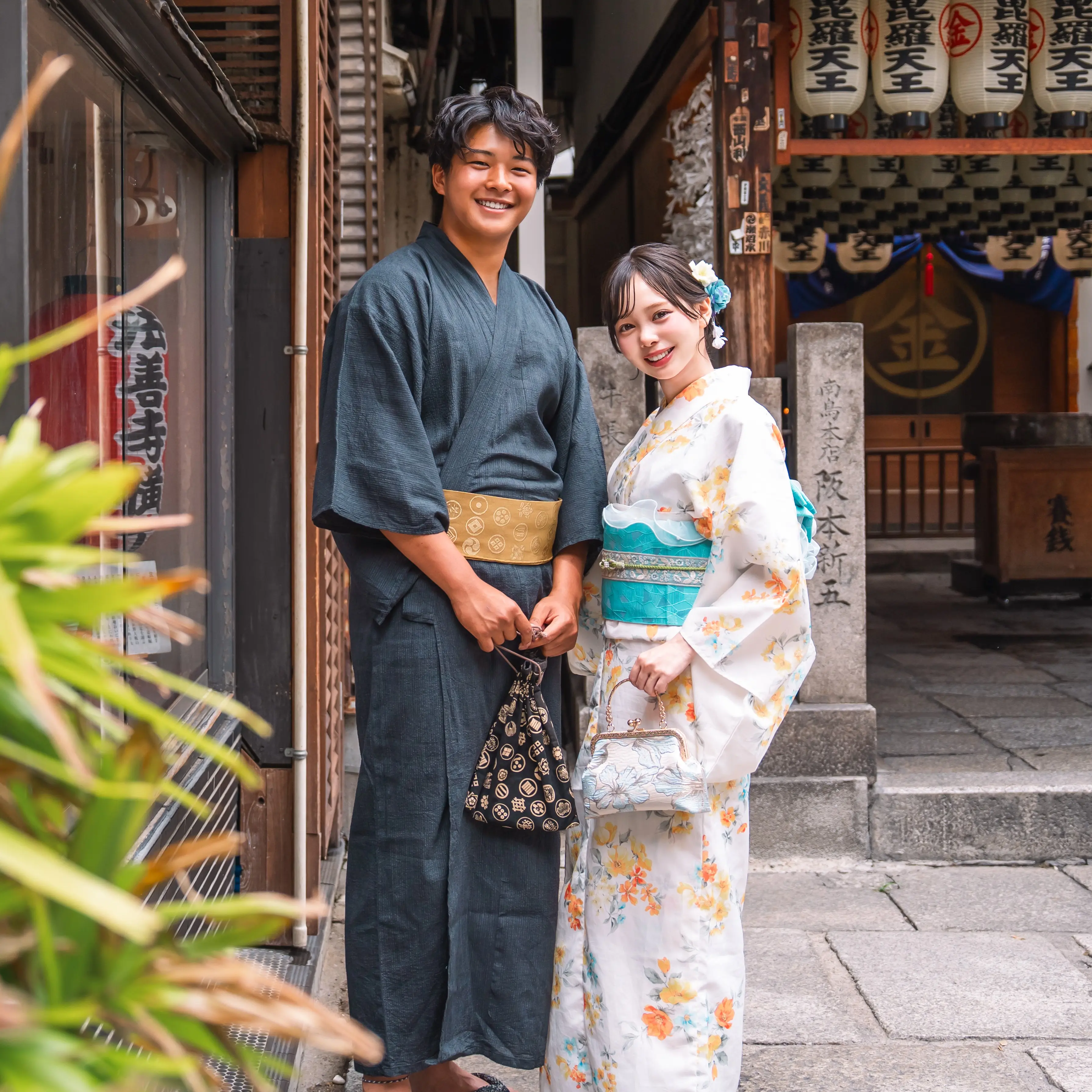
This complete set includes a kimono, haori jacket, juban undergarment, obi belt, haori cord, and ties.
Usually sold separately for ¥39,160, this special set offers great value.
Ideal for first-time kimono wearers or as a premium Japanese gift.
Special Campaign
Customers who spend ¥10,000 or more can join our Lucky Draw for a chance to win a special gift.
All items are available in-store only and in limited quantities.
We recommend visiting early to secure your favorite set.
Kimono Rental for Tall Visitors: Sizes, Adjustments, and Best Fit Tips
Travelers who are tall often worry about renting a kimono in Japan. Many imagine sleeves that sit too high, hems that become short, or obi belts that feel misplaced. Fortunately, these concerns rarely become reality—especially in a city like Osaka, where rental shops are used to assisting visitors of all heights. Kimono, by design, are more flexible than Western-style clothing, and skilled dressers can adjust them beautifully to suit taller body proportions.
This guide explains how kimono sizing works for tall visitors, what adjustments staff use, and how you can choose styles that naturally flatter your height.
■ How Kimono Sizing Works for Tall Bodies
Kimono are not tailored garments. They are rectangles of fabric wrapped around the body, folded, and secured with soft ties. This structure allows for far more height variation than most people expect.
The main factor is garment length. Standard kimono lengths commonly fit individuals from around 150 cm to 175 cm. However, many rental shops in Osaka carry extended-length kimono suitable for visitors who are 180 cm, 185 cm, or even taller. The availability varies by shop, yet Kawaii Osaka and similar stores plan inventory specifically for international guests, making it easier to find pieces long enough for a clean silhouette.
A key advantage of the kimono format is that excess fabric is normally folded at the waist. For tall visitors, staff simply reduce or eliminate this fold (called “ohashori”), allowing the full length of the garment to be used. This small change instantly solves most height-related fit issues.
■ What to Expect When You Visit a Kimono Rental Shop
When you enter the shop, staff greet you and quickly estimate your height and proportions. This isn’t an exact measurement—just a simple way to determine which garments will work best. Rather than focusing on limitations, the staff think in terms of “How can we adjust this kimono to fit elegantly on this person?”
You’ll be shown longer kimono from the extended-size section. If you’re above average height, the shop may recommend modern styles, retro patterns, or certain formal cuts that naturally offer more length. If two designs fit differently, the staff explain how each can be adjusted so you can choose based on aesthetics rather than fear of being too tall.
Accessories such as the obi belt, bag, and hair styling are then selected. Dressers make sure the proportions remain balanced so the height feels stylish rather than overwhelming.
■ How Dressers Adjust Kimono for Tall Visitors
Professional kimono staff use several techniques to create a refined look for taller guests. Each adjustment is invisible once the obi is tied.
■ Reducing the “ohashori” waist fold
Normally, kimono length is controlled by folding extra fabric at the waist. For tall visitors, this fold is minimized or removed, allowing full-length use of the garment.
■ Adjusting the collar and neckline
Collar placement can visually lengthen or shorten the torso. Staff adjust it slightly to create better harmony with your height.
■ Positioning the obi belt
On taller bodies, placing the obi slightly higher or lower changes the silhouette dramatically. Dressers choose the positioning that maintains balance between the upper and lower body.
■ Managing sleeve length
Small gaps in sleeve placement are common with height differences, but dressers smooth the shoulders and adjust ties so the sleeves drape naturally.
The result is a clean, elegant appearance that looks intentional rather than constrained by height.
■ Choosing Kimono Styles That Flatter Tall Frames
Being tall is an advantage in kimono—many visitors find their posture, lines, and overall presence look exceptionally graceful. That said, certain styles enhance this effect even more.
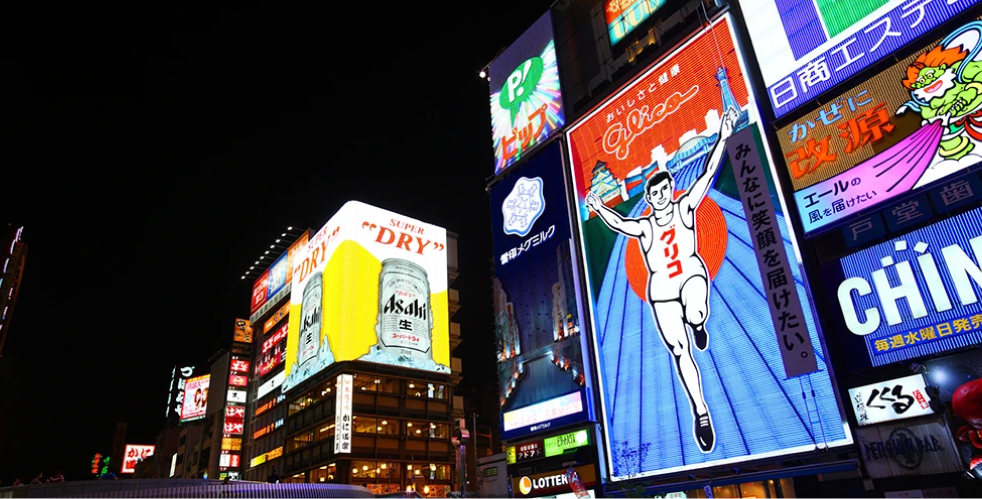
Solid colors or simple patterns create a sophisticated, long vertical line. Retro-modern designs are popular among tall visitors because the bold patterns appear balanced and proportional. Darker hues pair well with nighttime locations like Dotonbori, while soft neutrals look beautiful at shrines and in daylight.
For photos, tall visitors often look stunning in full-length shots taken from a lower angle. This approach highlights the kimono’s shape and your natural height while keeping the elegance of the traditional silhouette.
■ Practical Tips to Stay Comfortable Throughout the Day
Tall visitors sometimes take slightly longer strides, which can cause the hem to shift. Taking gentle steps helps the kimono stay aligned and prevents the lower edge from riding up. If the obi feels tight or the collar shifts, you can return to the shop for adjustments—they expect this, especially from first-time wearers.
Sandals (geta or zori) come in multiple sizes, and most rental shops carry options that fit larger feet comfortably. If you’re unsure about sizing, simply mention your shoe size at reception.
■ Common Concerns Tall Travelers Have (And Why They’re Not a Problem)
Many tall travelers worry about gaps, short hems, or looking “too large” for a kimono. In practice, these issues rarely occur once the dressing is complete. Kimono are built on rectangular fabric panels rather than shaped seams, so height creates fewer complications than Western clothing. Even very tall visitors—well over 185 cm—can wear kimono comfortably with the right adjustments.
Some guests fear standing out too much in photos. The opposite is often true: tall visitors carry kimono with exceptional presence, and the garment’s structure naturally harmonizes the proportions of the body.
■ Enjoying Osaka in Your Kimono
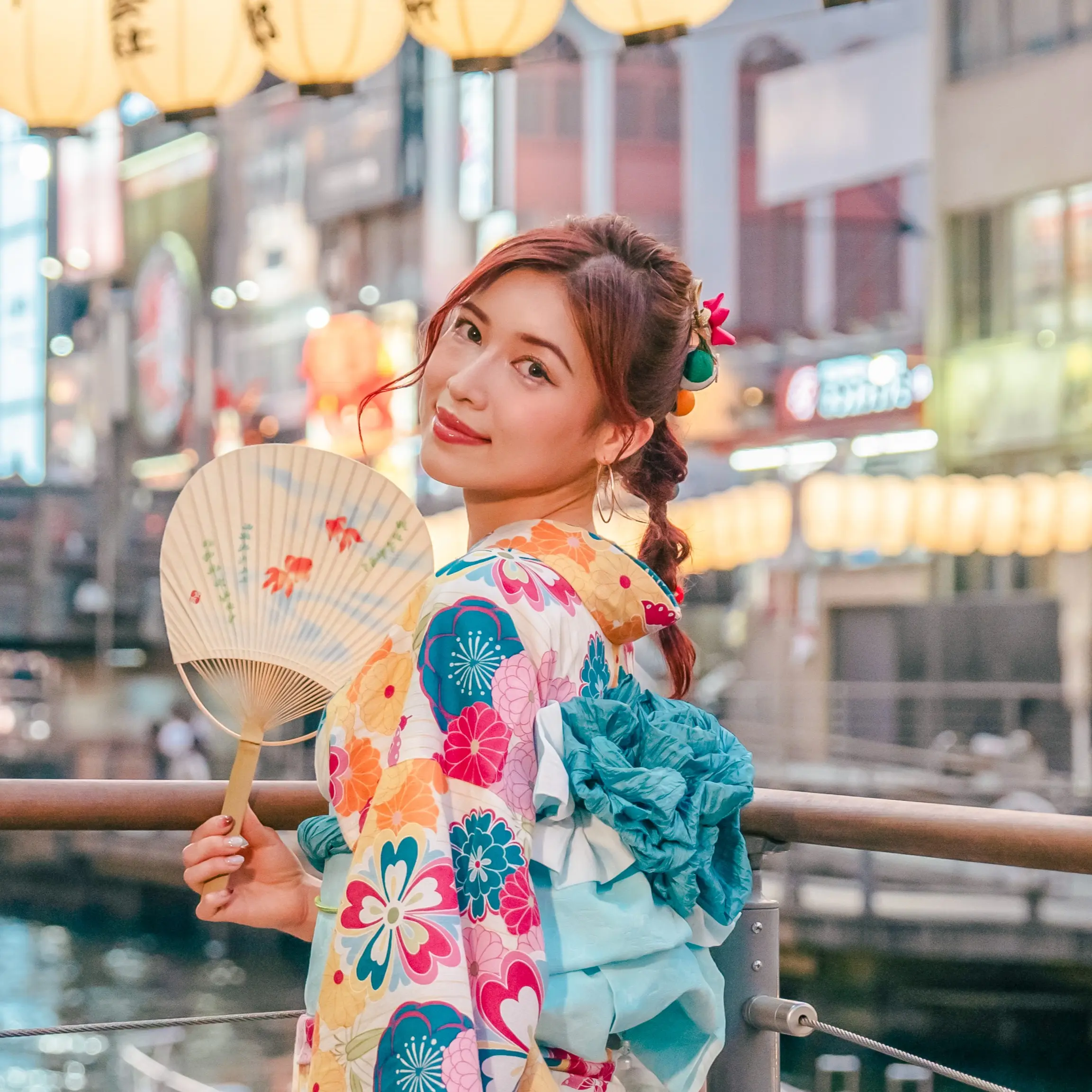
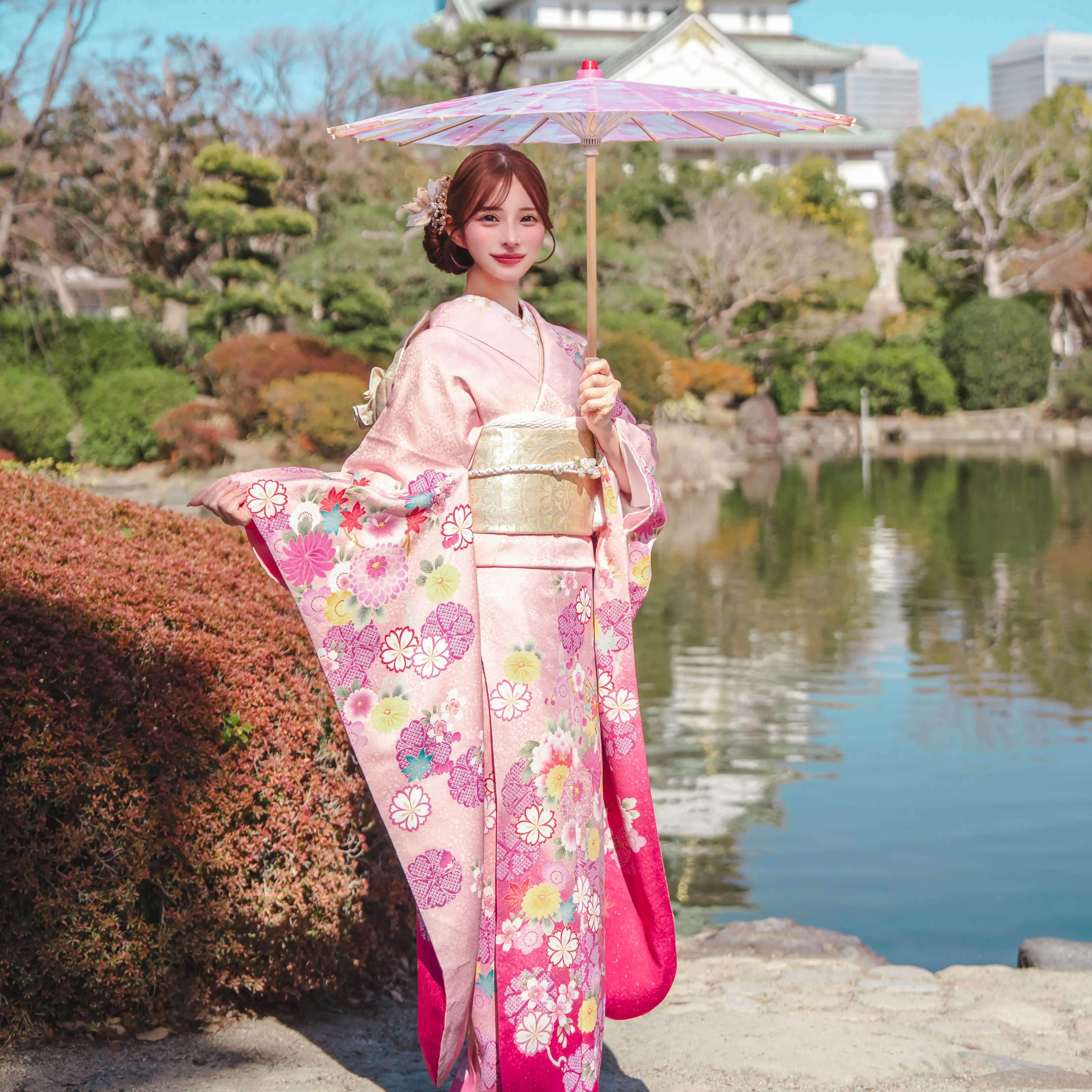
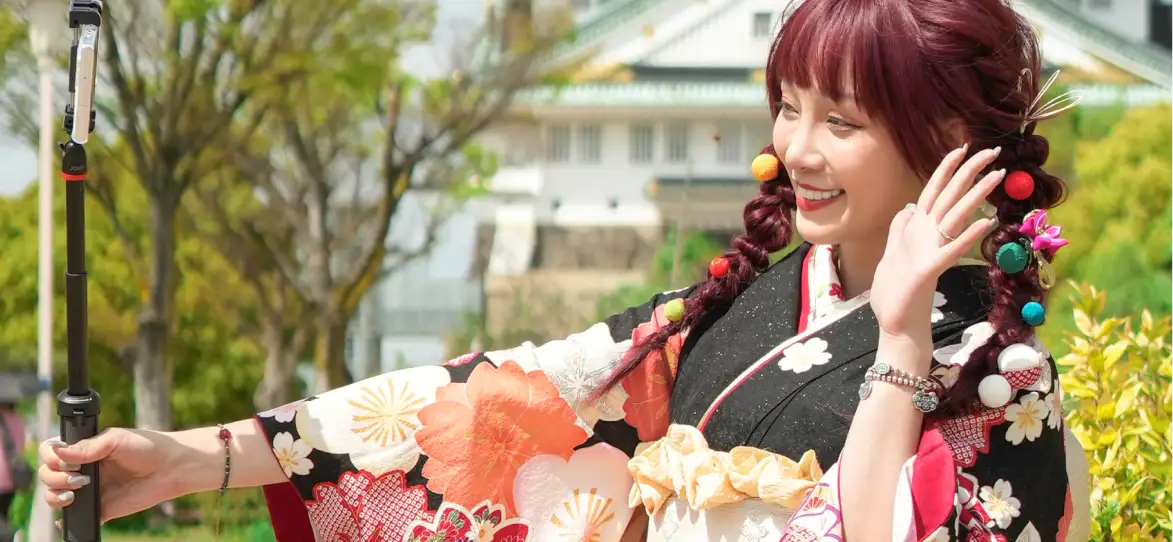
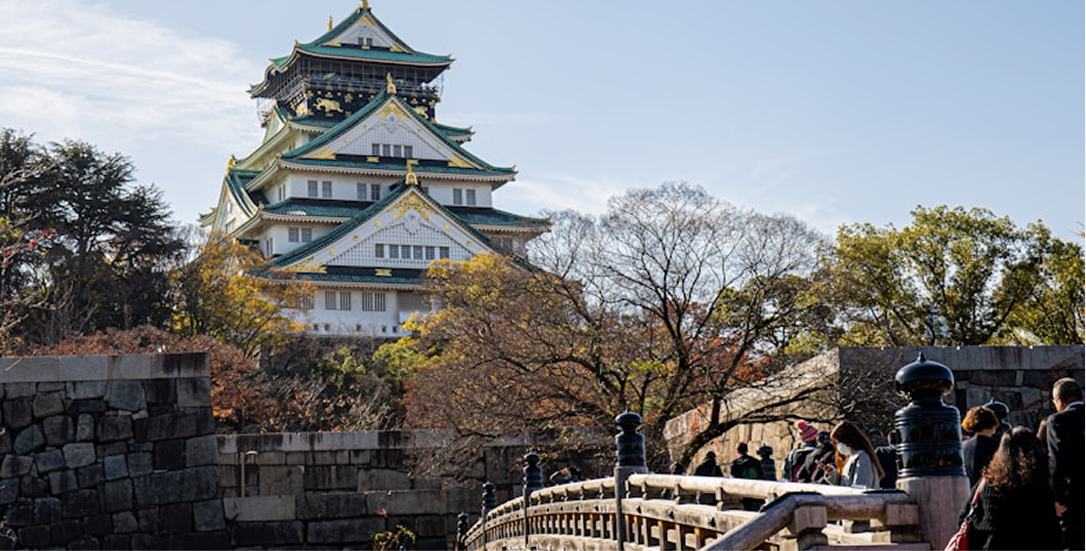
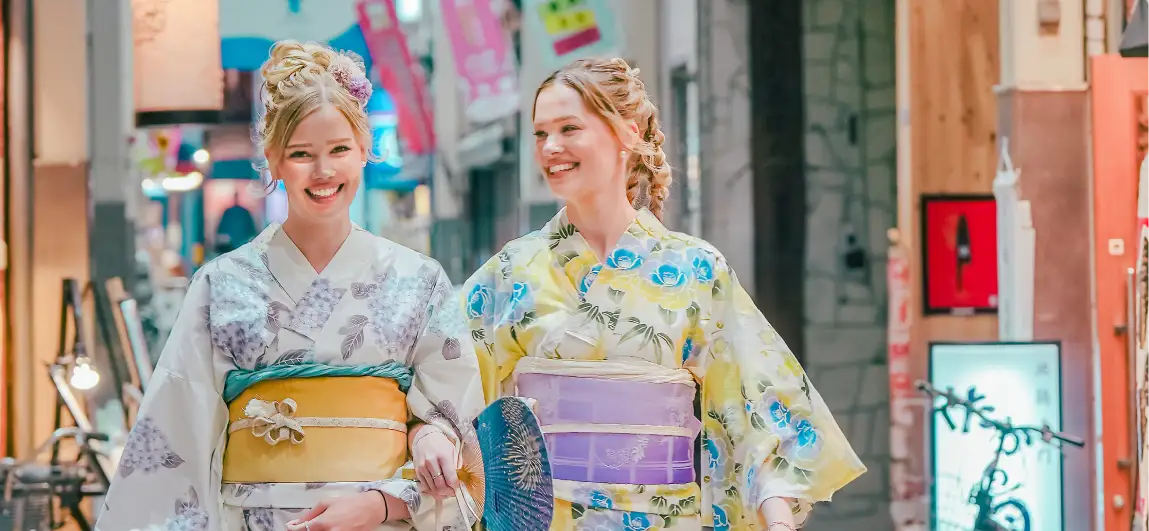
Once dressed, exploring Osaka becomes a unique experience. Tall visitors take beautiful photos at Osaka Castle Park, Hozenji Yokocho, and the river promenade in Namba. The combination of kimono lines and your natural height creates a cinematic look that appears almost effortless.
Many visitors say that wearing a kimono changes the way they walk—calmer, more deliberate, more aware of the city around them. This is one of the hidden joys of the experience.
■ Returning the Kimono: A Simple and Friendly Process
At the end of the day, returning the kimono is quick. Staff collect the garment and accessories; you do not need to fold or organize anything. A short thank-you exchange closes the experience, leaving many visitors surprised at how easy and comfortable the entire day felt.
■ Final Thoughts: Height Is an Advantage, Not a Limitation
Kimono have been worn by people of varying heights for centuries, and the garment’s design naturally adapts to tall frames. In Osaka, where hospitality is warm and practical, rental shops are fully prepared to dress visitors who are taller than average. Adjustments are simple, staff are experienced, and the final look is often stunning.
Your height is not a barrier—it is a feature that makes the kimono look even more elegant. If you’ve hesitated before, consider this your sign: Osaka is the perfect place to enjoy the kimono experience confidently and beautifully.
Plus Size-Friendly Kimono Rental in Osaka: Everything You Need to Know
■ Plus Size-Friendly Kimono Rental in Osaka: Everything You Need to Know
Many travelers worry about whether traditional Japanese clothing will fit their body comfortably. Some imagine kimono being too small, others feel nervous about dressing in front of staff, and many simply don’t know what to expect. Osaka, however, is one of the most welcoming cities in Japan for plus-size visitors, and its kimono rental shops are known for friendly service, flexible sizing, and a warm, judgment-free atmosphere.
This guide explains everything you need to know before renting a kimono in Osaka, including sizing, comfort, etiquette, dressing techniques, and what the overall experience feels like.
■ Why Osaka Is Great for Plus-Size Kimono Rentals
Osaka people are famously approachable and open-minded. This personality is reflected in kimono rental shops, where staff are used to helping visitors of all shapes and sizes. Instead of rigid rules or strict attitudes, you’ll find gentle guidance, practical adjustments, and genuine hospitality.
Most shops prepare extended-size kimono and accessories. Even when certain pieces don’t offer full overlap, dressers know how to modify the wrapping so your silhouette remains smooth and secure. Visitors often feel relieved at how natural and easy the entire process feels.
■ How Kimono Sizing Works (And Why It’s More Flexible Than You Think)
Kimono do not rely on exact “sizes” the way Western clothing does. They are wrapped around the body, tightened with soft ties, and shaped through layers. This structure makes them surprisingly adaptable.
Fit is influenced mainly by height, hip width, and how much overlap the fabric can make. Many Osaka shops carry sizes equivalent to LL–3L, and some offer even wider selections. When necessary, small extensions or padding are added inside the garment, completely hidden once the obi is tied. These techniques make kimono work beautifully for a wide range of body types.
Experienced dressers focus on what is possible—not on limiting what a guest can wear. This mindset is one reason Osaka is known for plus-size-friendly rentals.
■ What Happens When You Arrive at the Shop
When you enter a rental shop, staff greet you kindly and confirm your booking. They guide you to a storage area for your belongings and take a quick look at your frame to estimate suitable kimono options. This is done discreetly, with no uncomfortable comments.
You are then shown kimono designs that will fit comfortably. Choices often include pastel florals, bold retro prints, elegant dark colors, or soft modern lace styles. Instead of worrying about what “fits,” you can think about what atmosphere you want—classic, cute, modern, elegant, or something vibrant for photos.
Accessories such as the obi, handbag, or hair ornaments are selected afterward. Staff usually suggest combinations that flatter your proportions and match your chosen color palette.
■ The Dressing Process: A Calm, Respectful Experience
For many plus-size visitors, this is the part they fear most—but it is almost always the moment they feel safest and most supported.
You are guided into a private or semi-private dressing area. The dresser begins by wrapping the inner layers gently, checking your comfort as they go. They work with practiced hands, adjusting tension without squeezing, smoothing fabric without comment, and shaping your silhouette with care.
Kimono dressing follows a steady rhythm: undergarment, waist ties, padding, outer layer, collar position, and finally the obi knot. Throughout the process, you can speak up anytime. If something feels tight, the dresser adjusts it immediately. Their goal is not only to make you look beautiful but to ensure you can breathe easily, walk naturally, and enjoy your day.
Because kimono wrap rather than stretch, they actually accommodate curves very well. Skilled dressers know how to position the obi slightly higher or lower to balance the silhouette and enhance comfort.
■ Choosing Styles That Complement Your Body
Kimono are famously flattering because their structure creates a clean, vertical line. Still, certain design choices can highlight your natural beauty even more.
Soft florals pair beautifully with shrines or traditional alleys. Deep jewel tones look striking in urban locations like Dotonbori at night. Vertical patterns can visually lengthen the body. Modern lace kimono offer a lighter, elegant feel for those who prefer a contemporary style.
If you’re uncertain, simply tell the staff what kind of photos you like. They will guide you toward colors and styles that match your height, skin tone, and personal taste.
■ Staying Comfortable While Walking Around Osaka
Kimono become surprisingly comfortable once everything is secured. Small steps help the hem stay in place, and soft posture makes walking easier. Wearing thin inner clothing prevents overheating, especially in summer.
If you begin to feel pressure at the waist or notice the obi shifting, you can return to the shop for adjustments. This is common for first-time wearers and never treated as an inconvenience.
■ Common Worries (And Why You Don’t Need Them)
Many plus-size travelers have concerns before their visit:
• “What if I don’t look good in a kimono?”
• “What if nothing fits?”
• “Will the staff judge my body?”
• “Will the obi hurt or be too tight?”
The reality is reassuring. Kimono are designed to fit many body types, and Osaka staff are used to assisting international visitors with diverse sizes. Their focus is comfort and beauty, not criticism. If anything feels wrong, it can be fixed on the spot.
Small wrinkles or faint stains rarely result in fees; shops expect minor wear.
■ Enjoying Osaka in Your Kimono
After dressing, you step out into Osaka with a new sense of presence. The gentle swish of the fabric, the light pressure of the obi, and the attention from passersby make the city feel magical.
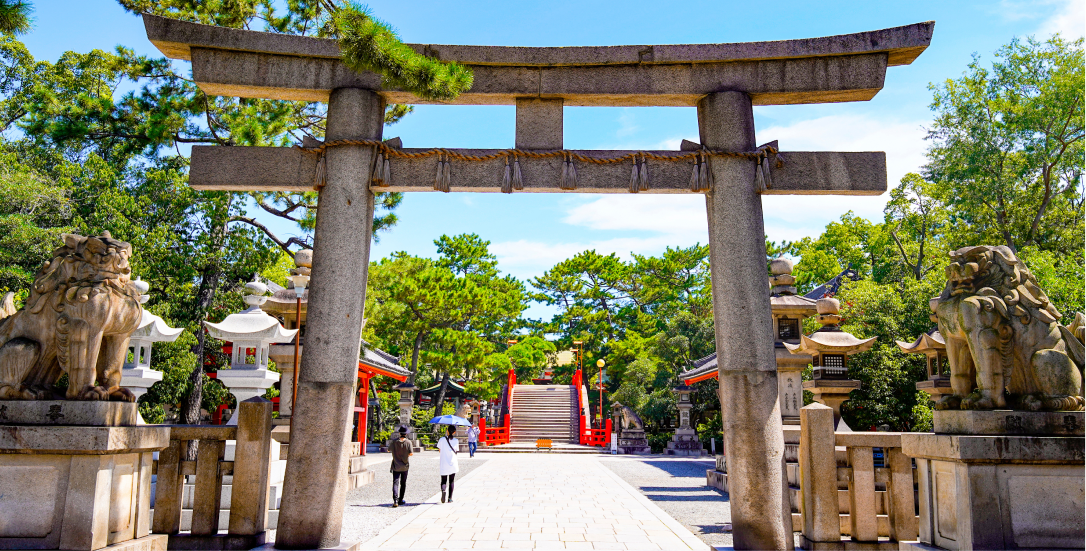
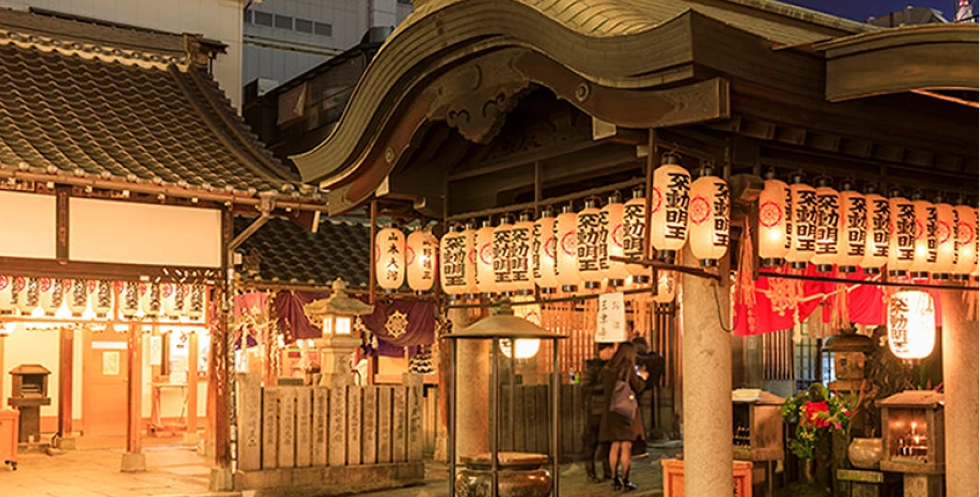
Popular places for photos include Hozenji Yokocho, Osaka Castle Park, Namba Yasaka Shrine, and the riverside paths around Dotonbori. In photos, kimono create beautiful movement and color, especially when paired with evening lights or traditional stone pathways.
Walking slowly not only keeps the kimono neat but also enhances the experience, letting you enjoy the sounds and atmosphere around you.
■ Returning the Kimono at the End of the Day
When you return to the shop, staff collect the kimono and accessories. There is no need to fold anything. The process is extremely simple, usually taking only a few minutes. If you chose a next-day return plan, instructions will be clearly explained.
Guests often describe the farewell as warm and memorable—another small example of Osaka-style hospitality.
■ Final Thoughts: You Deserve This Experience
Kimono is not reserved for a specific size or body type. It is a cultural garment meant to adapt to the wearer. In Osaka especially, rental shops are prepared to welcome everyone with kindness and skill. Whether you are curvy, tall, petite, broad-shouldered, or anywhere in between, there is a kimono that will make you feel confident and beautiful.
You don’t need the “right” body—just the right shop and the willingness to enjoy yourself. Osaka will take care of the rest.