TOPICS

2025.10.25

The Art of Kimono Accessories: How to Choose and Style Obijime, Kanzashi, Haneri, and Tabi

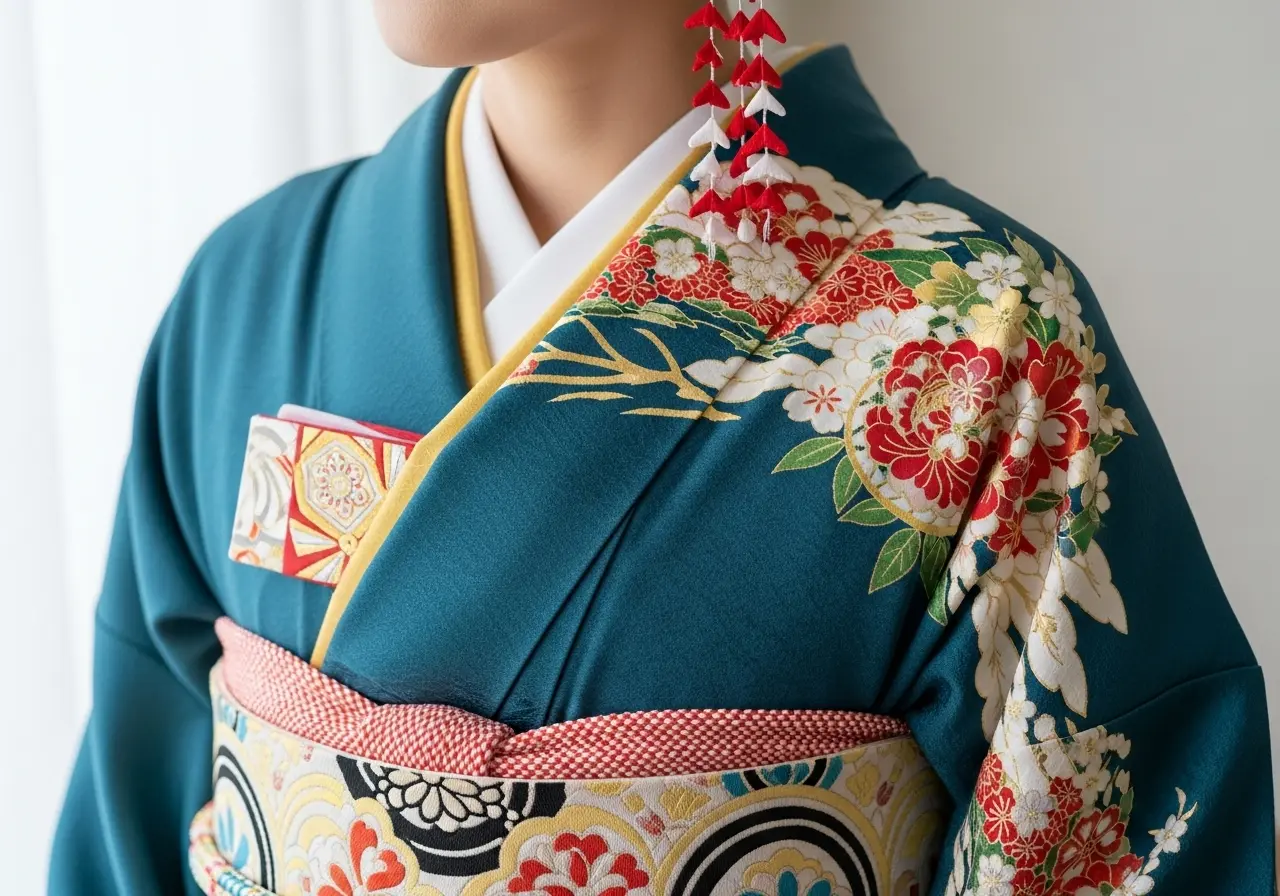
When it comes to wearing a kimono, the beauty isn’t just in the fabric or pattern—it’s in the details.
Traditional accessories, known as waso komono, transform your outfit from simple to stunning.
By learning how to choose and coordinate them, you can express your personality and create a truly memorable look.

Here’s your beginner-friendly guide to the essential kimono accessories and how to style them beautifully.

1. Obijime – The Finishing Touch for Your Obi Belt

The obijime is a decorative cord tied around the obi (sash). Though small, it plays a big role in balancing the colors and securing the belt.

How to choose:

Color harmony: Match your obijime with one of the colors in your kimono or obi for a unified look.

Contrast effect: Choose a contrasting shade for a bold, stylish accent.

Seasonal tones: Use soft pastels in spring, cool shades in summer, warm tones in autumn, and deep hues in winter.

How to style:
A neatly tied obijime shows elegance and attention to detail. It’s the final “ribbon” that completes your outfit.

2. Kanzashi – Elegant Hair Ornaments

Kanzashi are traditional hair accessories made from lacquer, silk flowers, or metal. They bring grace and a touch of sparkle to your hairstyle.

How to choose:

Formal look: Go for subtle gold or pearl designs.

Festive look: Try colorful floral pieces or seasonal motifs like cherry blossoms or maple leaves.

Modern twist: Combine traditional kanzashi with simple hairpins for a balanced style.

How to style:
Position it slightly off-center or near a bun for a natural, sophisticated appearance.
Even a single kanzashi can completely change the mood of your outfit.

3. Haneri – Decorative Collar Under the Kimono

The haneri is a detachable collar sewn onto the undergarment (juban), peeking out from the neckline of the kimono. It’s a subtle but powerful accent.

How to choose:

Classic white for a clean, formal impression

Embroidered or colored designs to add personality and texture

Match motifs with the season—such as plum blossoms for winter or waves for summer

How to style:
Keep it visible about 1–1.5 centimeters. A clean, even line adds refinement to your appearance.

4. Tabi – Traditional White Socks for Kimono

Tabi are split-toe socks worn with sandals (zori). They complete the outfit and symbolize neatness.

How to choose:

White tabi are standard for both formal and casual occasions.

Colored or patterned tabi can express individuality, especially in modern kimono fashion.

Make sure they fit snugly and stay clean—well-kept tabi show respect and elegance.

How to style:
Pair with matching sandals and keep your steps small and graceful. Clean tabi make every photo look polished.

5. How to Combine Accessories

The key is balance. Choose one statement piece—like a bold kanzashi or colorful obijime—and keep the others subtle.
This creates harmony and avoids an overloaded look.

Example combination:

Soft pink kimono

White obi with gold accents

Mint green obijime for a pop of color

Floral kanzashi matching the season

With these touches, your kimono becomes uniquely yours.

6. Experience It at Kawaii Osaka

At Kawaii Osaka
, our staff will guide you in selecting the perfect accessories to match your kimono and personality.
From traditional elegance to modern chic, we’ll help you coordinate every detail—from the obi to your hairstyle—so your look feels authentic and photo-ready.

All accessories are provided with your rental, and you can mix and match under professional advice.

Final Thoughts

In kimono fashion, small details make a big difference.
By understanding the meaning and beauty of traditional accessories, you can express your own style while honoring Japanese culture.
When everything—from your obi to your hairpin—is in harmony, you don’t just wear a kimono—you embody it.

BACK pagetop
カワイイオオサカ
Instagram TikTok