TOPICS

2026.02.03

Winter Kimono Layering: Stay Warm Without Looking Bulky

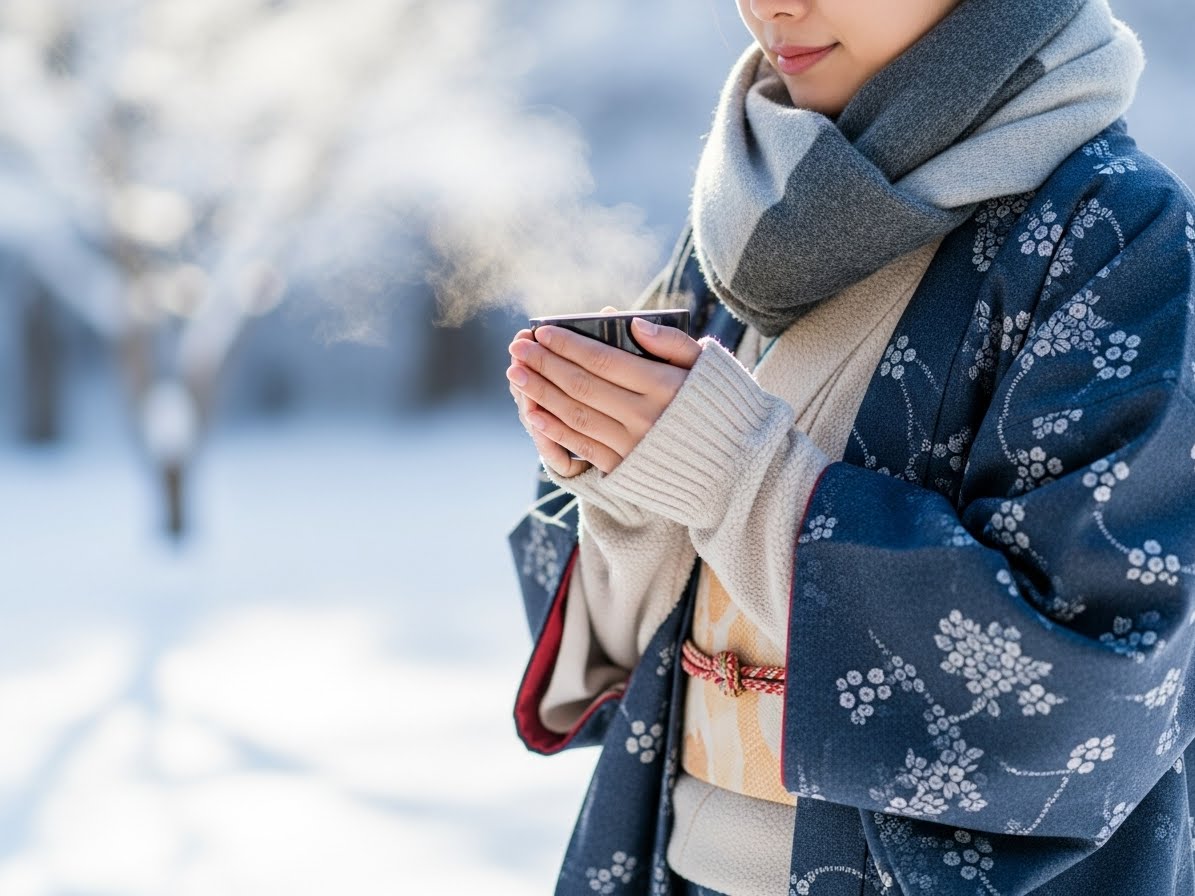
Kimono can absolutely be worn in winter — if you layer correctly. The trick is warmth on the inside and slim, structured layers on the outside. No vague advice — here’s exactly what to wear, where, and why ????❄️

1️⃣ Start with heat-tech style innerwear (invisible layer)

Wear thin thermal tops and leggings under the kimono.

Choose:

scoop-neck / wide-neck thermal shirt (won’t show at the collar)

thin heat-retaining leggings (stop mid-calf so they don’t peek out)

skin-tone or white colors

Avoid bulky sweaters — they create lumps under the obi and make movement harder.

2️⃣ Add a nagajuban (kimono underlayer)

The nagajuban keeps sweat and body oils off the kimono and adds warmth.

Ask the shop for:

“A lined nagajuban for winter.”

Benefits:

smoother fit

extra insulation

easier cleaning (the rental shop washes it, not the kimono)

3️⃣ Use discreet warming accessories

These are lifesavers:

✔ disposable body warmers — place on lower back or stomach
✔ fleece tabi socks or double-layer tabi
✔ thin scarf tucked inside coat collar
✔ silk or cotton gloves while walking

Important: never stick warmers directly onto silk — attach to innerwear only.

4️⃣ Choose the right outerwear — structure keeps it elegant

Instead of big puffy coats, use kimono-specific outerwear:

Haori (short jacket)

keeps shoulders warm

doesn’t crush the obi

easy to take on/off indoors

Michiyuki (formal overcoat)

covers chest and neckline

neat rectangular silhouette

good for city or evening outings

Wool kimono coat

warmest option

still keeps the straight kimono lines

Ask:

“Which coat works with today’s weather?”

5️⃣ Keep the obi area warm without bulk

The obi itself traps heat — but the stomach can still get cold.

Shops can add:

a soft haramaki (stomach band)

light padding that sits flat

thin undersash layers

These stay invisible while keeping circulation comfortable.

6️⃣ Foot and ankle warmth = huge difference

Cold comes from the ground first.

Do this:

wear fleece tabi

choose sandals with thicker soles

add discreet foot warmers on the instep (inside the tabi)

Avoid open-heel sandals in winter — they get icy quickly.

7️⃣ Wind protection tricks

Wind is the real problem with kimono.

Practical fixes:

keep the collar slightly closer to the neck

hold the sleeves against the body when crossing bridges

carry a foldable umbrella — it blocks both wind and cold air

A slim belt under the haori can also stop drafts (staff can set this up).

8️⃣ What NOT to layer

???? bulky hoodies under kimono
???? thick wool sweaters directly under layers
???? huge Western coats squeezing the obi
???? visible leggings past the hem
???? sticking heat packs directly to the kimono fabric

All of these break the shape — or damage the fabric.

9️⃣ Sample winter outfit checklist

thermal shirt

winter nagajuban

kimono

soft stomach band

obi

fleece tabi

haori or kimono coat

gloves + scarf + pocket warmers

You’ll look structured — but feel like you’re wearing central heating.

???? Take breaks indoors (smart pacing)

Plan your walking route with:

✔ cafés
✔ museum lobbies
✔ temple rest halls

Warm up every 30–45 minutes. Winter kimono days are about comfortable strolling, not power-walking.

Final takeaway

Winter kimono doesn’t have to mean shivering or looking bulky.
Layer thin → structured → kimono-specific pieces, keep heat close to the body, and let the outer layers stay clean and tailored.

Do this, and you’ll look elegant outside — while staying surprisingly warm inside.

BACK pagetop
カワイイオオサカ
TikTok Facebook Pinterest