TOPICS

2026.01.28

Tabi Socks: Why They Look the Way They Do — A Simple, Practical Guide

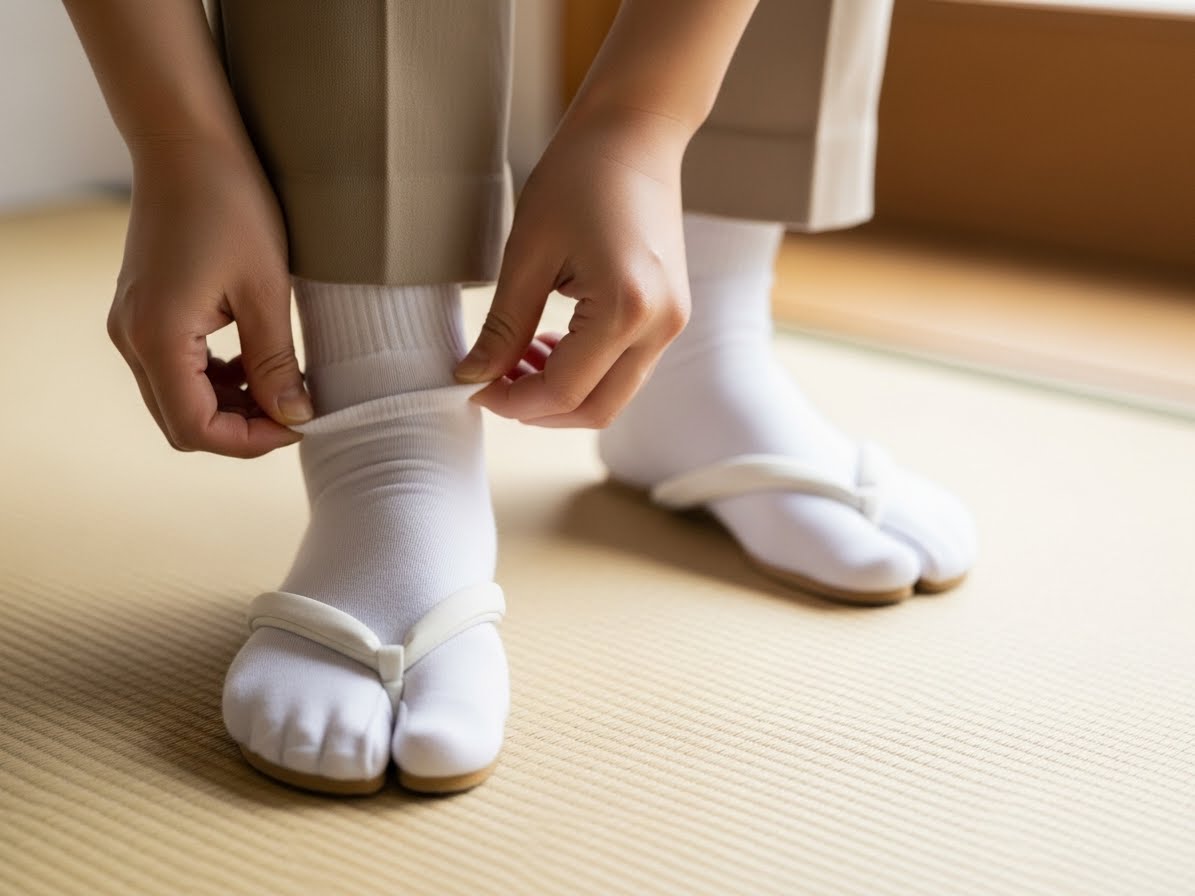
Tabi socks look unusual at first glance:
one big split between the big toe and the others.

They aren’t a fashion gimmick. Every detail of tabi has a reason — comfort, hygiene, movement, and tradition. Here’s a clear explanation of why tabi are designed this way, what they’re used for, and how they’re different from normal socks.

1️⃣ Why Do Tabi Have a Split Toe?
???? Because of the footwear

Traditional Japanese sandals — zori and geta — have a strap that sits between the big toe and second toe.

A normal sock would bunch up and feel painful.
Tabi solve this:

the split holds the sandal strap securely

your foot doesn’t slip forward

walking becomes more stable, especially on smooth stones

Without the split, wearing sandals with kimono would be uncomfortable — and unsafe on rainy or uneven paths.

2️⃣ Why Are Tabi Snug Instead of Stretchy?

Tabi are usually made from cotton or linen with little stretch, and they close with hooks at the ankle.

Reason:

tight fit keeps the heel from moving

prevents wrinkling inside sandals

keeps the kimono silhouette neat from ankle to knee

Loose socks create bumps — which look messy and can rub blisters.

3️⃣ Why Are Most Tabi White?

White = cleanliness and formality in Japanese tradition.

You’ll see white tabi at:

weddings

tea ceremonies

shrine visits

formal kimono outfits

Colored or patterned tabi exist today, but historically white signaled:

respect for the occasion

proper attire

good hygiene (easier to see dirt)

4️⃣ Why Do They Fasten at the Back?

Look closely — many tabi have metal hooks (kohaze) at the heel.

This design:

makes them easier to put on over tight kimono layers

allows you to adjust tightness

keeps the ankle straight and tidy

Elastic socks would sag during long ceremonies — hooks keep their shape.

5️⃣ Are Tabi Only for Kimono?

Mainly yes — but not only.

You’ll see tabi in:

martial arts (ninja & samurai imagery comes from practical split-toe boots)

festival outfits

certain traditional jobs (gardeners, carpenters use ** jika-tabi**, outdoor versions with soles)

All evolved from the same functional concept:
secure movement while wearing split-strap footwear.

6️⃣ Tabi vs. Normal Socks (What You’ll Actually Feel)

When you wear tabi:

your toes spread slightly → better balance

the split holds the sandal strap naturally

your feet stay cooler than in thick socks

walking feels more grounded and controlled

Most first-time users say:

“It looks strange, but it’s actually comfortable.”

7️⃣ When Should You Wear Tabi?

✔ with kimono
✔ with yukata (optional but recommended)
✔ when visiting shrines or traditional locations
✔ for formal ceremonies
✔ when the rental shop suggests them

Barefoot is okay for some casual yukata events — but tabi look more polished and protect your feet.

8️⃣ How to Choose the Right Pair (Tourist-Friendly Tips)

pick your exact size — tabi shouldn’t slide

white for formal, colored for casual

thin for summer, lined for winter

bring a spare pair if you’ll walk a lot

If renting kimono, most shops sell brand-new tabi for hygiene reasons — you usually keep them.

9️⃣ How to Wear Them Properly (Quick Steps)

sit down

slide toes in, separate the big toe gently

pull the heel snug

fasten the back hooks from bottom to top

smooth wrinkles

If the ankle feels tight or you can’t move your toes, re-fasten — don’t force it.

10️⃣ Why Tabi Still Matter Today

Tabi connect:

tradition

practicality

aesthetics

They keep the outfit clean, help you walk safely in sandals, and complete the formal kimono look. That split toe isn’t strange — it’s smart design built over centuries.

Quick Summary

Tabi look the way they do because:

✔ sandals need a toe split
✔ the snug fabric keeps ankles tidy
✔ white signals cleanliness and formality
✔ hooks prevent sagging
✔ they improve balance and comfort

Next time you wear kimono, look down — the tabi are doing more work than you think ????

BACK pagetop
カワイイオオサカ
Instagram TikTok