TOPICS

2026.01.14

Do You Need to Wear Socks with Kimono? The Truth Most Foreign Visitors Don’t Know

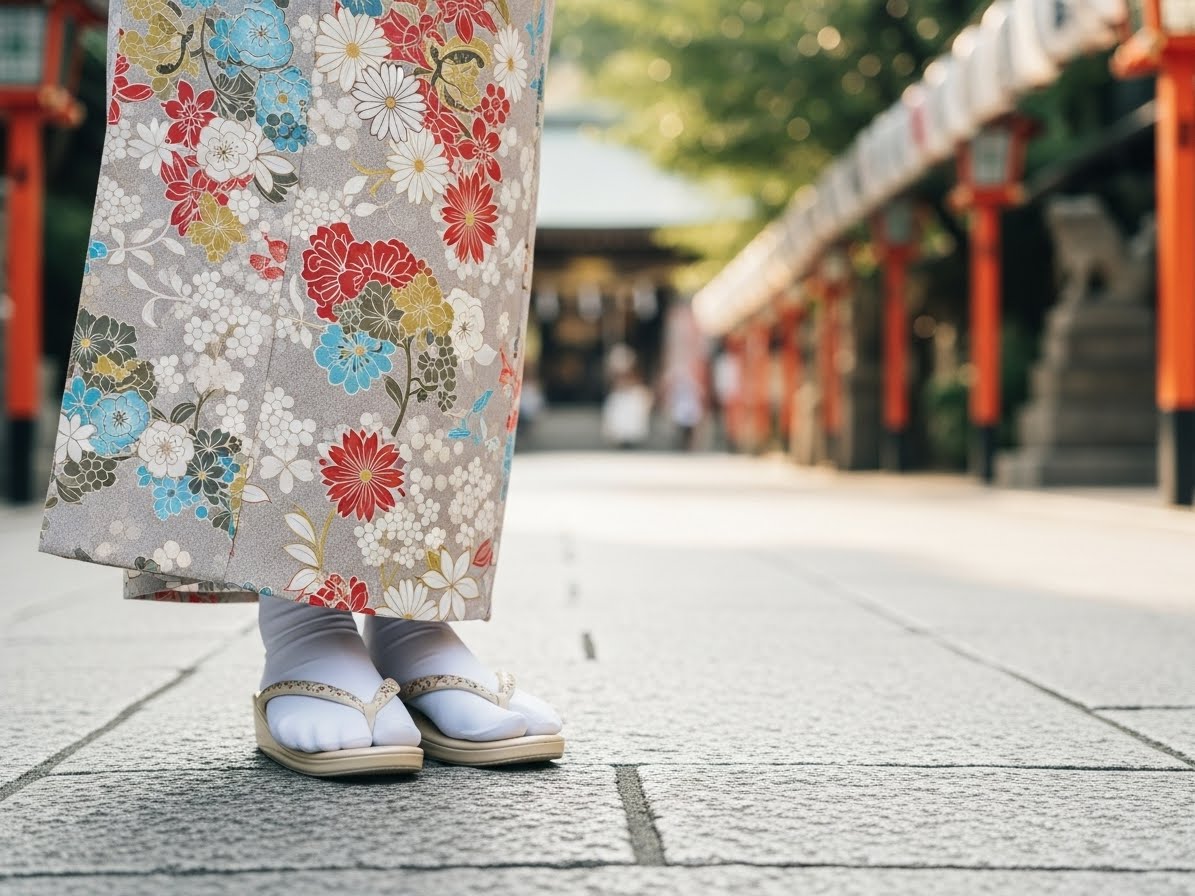
If you’re planning to rent a kimono in Japan, you’ll almost certainly hear the word “tabi” — the white split-toe socks worn with traditional sandals.

But are they really required?
What happens if you show up barefoot?
And why do some people say yukata don’t need socks at all?

This guide explains what to do in real situations, so you feel respectful, comfortable, and confident during your kimono day ????

What Tabi Socks Actually Do (And Why They Matter)

Tabi aren’t “just socks.” They:

fit the strap of zori sandals

keep your feet clean when entering tatami rooms

prevent blisters and rubbing

complete the formal look (especially in photos)

signal politeness in cultural settings

Think of them like this:

Wearing kimono without tabi is like wearing a suit with no socks — possible, but it looks unfinished.

When Tabi Are Expected (Wear Them!)

You should definitely wear tabi when:

visiting shrines or temples

attending tea ceremonies or cultural lessons

wearing formal kimono (furisode, tomesode, houmongi, iromuji, etc.)

being photographed professionally

entering tatami rooms

renting from a shop that suggests them

Bare feet in these places can feel too casual — and sometimes unhygienic.

???? Tip: If you’re unsure, assume “yes, wear tabi.”
It avoids awkward moments later.

When Bare Feet Are Actually Fine

Going barefoot is okay when:

wearing yukata at summer festivals

walking outdoors casually

staying at hot springs or ryokan

recreating a relaxed “after-bath” style

Historically, yukata were informal homewear — people did go barefoot.

However… modern tourism changes things.

Many people still choose tabi because:

streets are hot, dusty, or rough

sandals can cause blisters

tabi make photos look nicer ????

So barefoot is allowed, but not always comfortable.

Biggest Mistakes Travelers Make (and How to Avoid Them)
❌ Mistake 1: Thinking zori = flip-flops

Zori are formal footwear. Treating them like beach sandals looks out of place.

❌ Mistake 2: Wearing normal socks

They bunch up, slip, and look awkward. They also don’t fit the strap properly.

❌ Mistake 3: Showing up barefoot to shrines

You might have to remove your sandals — bare feet in sacred spaces can feel disrespectful.

❌ Mistake 4: Forgetting socks in winter

Cold feet will ruin your day fast ????

Fix: If you forget tabi, most shops sell them cheaply. Problem solved.

What Rental Shops Usually Do (Realistic Expectations)

Most kimono shops will:

offer tabi for purchase (¥300–¥800)

sometimes include them in the rental price

allow you to keep the socks for hygiene reasons

Some shops insist on tabi for kimono rentals — especially if:

you’ll enter shrines or tea houses

your outfit is semi-formal or formal

your plan includes indoor photos

Ask this question at check-in:

“Will I need tabi today for any of the places we’re visiting?”

Staff will gladly explain ????

What to Do If You Don’t Like Socks

Some travelers simply don’t like the feeling of tabi. Here’s what works:

Option 1: Split-toe liner socks

Very thin, hidden under tabi — perfect in winter.

Option 2: Casual patterned tabi

More comfortable and stylish than plain ones.

Option 3: Geta sandals (with yukata only)

Wooden geta can be worn barefoot — but they’re harder to walk in long distances.

Rule of thumb:

The more formal the kimono, the more important tabi become.

Cultural Etiquette: How Locals See It

You won’t be scolded for missing tabi — Japan is welcoming.
But locals often read small details as care and respect.

Wearing tabi says:

“I paid attention.”

“I care about the culture.”

“I’m not treating this like a costume.”

That’s why you’ll see even Japanese teens wearing tabi during kimono photoshoots — it simply looks better.

Practical Comfort Tips (People Wish They Knew Beforehand)

✔ Clip your toenails the day before — tabi fit snugly
✔ Bring band-aids if your feet blister easily
✔ Don’t tuck pants into tabi (they’ll wrinkle)
✔ In cold weather, wear thin toe socks underneath
✔ Put tabi on before the kimono is tied — easier!

And most importantly…

Walk slowly.
Kimono and zori change your stride — rushing is how people stumble.

Final Answer (Simple Version)

Do you need socks with kimono?
→ Yes, almost always — especially for formal or cultural settings.

Do you need socks with yukata?
→ Optional — barefoot is acceptable, but tabi are often more comfortable.

When in doubt: wear tabi.
You’ll look polished, feel more comfortable, and avoid awkward moments ????

Quick FAQ

Can I bring my own tabi?
Yes — many travelers buy them online before arriving.

Is it disrespectful to forget socks?
Not disrespectful — but sometimes inappropriate depending on the place.

Do children need tabi?
Only if wearing formal kimono or entering tatami rooms.

Do men wear tabi too?
Absolutely — kimono etiquette applies to everyone.

BACK pagetop
カワイイオオサカ
Instagram TikTok