The Best Osaka Itinerary with Kimono: From Dotonbori to Shrines and Cafes
Exploring Osaka in a kimono is one of the most charming ways to enjoy the city.
From neon-lit streets to peaceful shrines and cozy cafés, every stop becomes more photogenic and memorable when you’re dressed in traditional Japanese style.
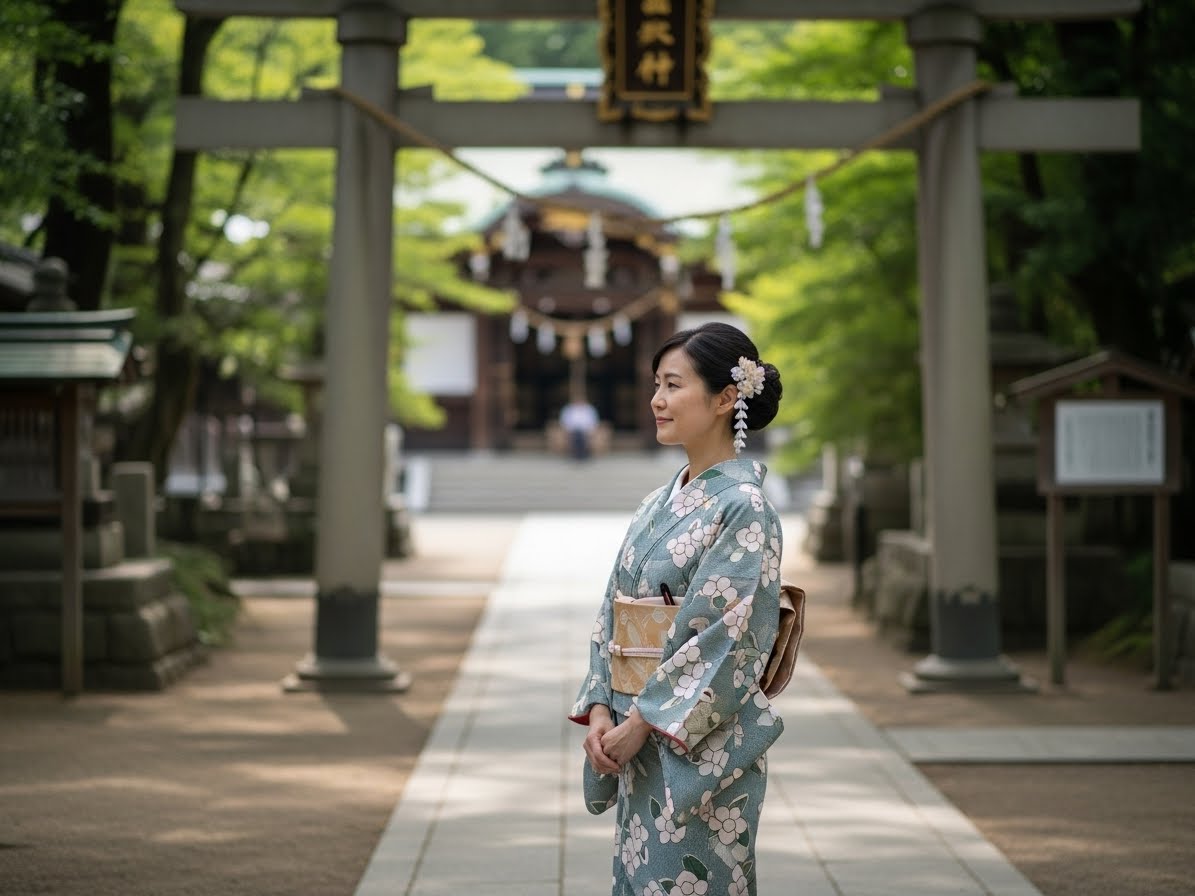
Here is a full itinerary designed for first-time visitors who want beautiful photos, easy walking routes, and a full cultural experience in one day.
■ Start Your Morning in Namba: Kimono Rental & Styling
Most travelers begin their day by picking up their kimono in Namba, one of Osaka’s most central and convenient neighborhoods.
Dressing usually takes 20–30 minutes, and you can choose accessories, hair styling, and optional photo props.
Once you step outside, you’re already surrounded by lively streets perfect for warm-up photos.
■ Stop 1: Dotonbori – Osaka’s Most Iconic Photo Spot
Your first major stop is Dotonbori, located just a short walk from most kimono rental shops.
• The famous Glico sign
• Canal-side walkways
• Colorful billboards and neon reflections
Kimono looks surprisingly good against this electric backdrop.
Morning is best because the streets are quieter, and the soft sunlight creates gorgeous photos.
Take portraits near the bridge, canal railing, and narrow side streets with lanterns.
■ Stop 2: Hozenji Yokocho – A Traditional Alley Hidden Behind Namba
From Dotonbori, walk a few minutes to Hozenji Yokocho, one of Osaka’s most atmospheric alleys.
Stone pathways, lanterns, and wooden facades make it feel like stepping back in time.
The moss-covered statue of Fudomyoo at Hozenji Temple is especially famous.
It’s a peaceful contrast to the bright chaos of Dotonbori and perfect for close-up kimono shots.
■ Stop 3: A Shrine Visit for Blessings and Beautiful Photos
Next, head toward a shrine accessible by foot or a short train ride. Two great options:
• Namba Yasaka Shrine
Known for its dramatic lion-head stage — incredibly photogenic.
Kimono colors pop beautifully against the bold design.
• Sumiyoshi Taisha
One of Japan’s oldest shrines with a distinctive arched red bridge.
Ideal for wide-angle kimono portraits and serene atmosphere.
Both locations offer a quiet cultural moment in the middle of a busy itinerary.
■ Lunch Break: Modern Japanese Café or Local Street Food
After a morning of walking and taking photos, enjoy lunch somewhere relaxing.
Popular choices include:
• Matcha cafés with soft-serve and latte art
• Kissaten-style cafés with retro interiors
• Okonomiyaki or kushikatsu for a local flavor
Kimono-friendly meals are recommended — nothing too messy or oily.
Many cafés in Namba and Shinsaibashi offer calm seating and beautiful interiors perfect for lifestyle photos.
■ Stop 4: Shinsaibashi Shopping Street – A Mix of Modern & Traditional Scenes
Walk toward Shinsaibashi, Osaka’s long shopping arcade.
It’s bright, lively, and full of interesting corners that make fun, dynamic photos.
You can also browse small boutiques selling accessories, fans, hairpins, and washi goods — great souvenirs that match your outfit.
■ Stop 5: A Quiet Riverside Walk Along Namba Parks or the Canal
If you want a break from crowds, step into Namba Parks’ rooftop garden or stroll along the quiet canal paths south of Dotonbori.
These spots offer soft natural light and greenery, perfect for calmer kimono portraits.
■ Stop 6: Sunset Photography Back in Dotonbori
Return to Dotonbori in the late afternoon for a completely different look.
The city begins to glow, and the contrast between kimono fabric and neon lights becomes incredibly striking.
Golden hour is one of the best moments to capture:
• silhouettes on the bridge
• reflections in the water
• warm tones on your kimono sleeves
Even simple poses turn into beautiful photos.
■ Final Stop: A Dessert Café or Tea Shop to Finish the Day
End your kimono journey with a sweet treat — matcha tiramisu, parfait, mochi, or fruit sandwiches.
It’s a relaxing way to cool down, review your photos, and enjoy the last moments in kimono before returning it to the shop.
This itinerary balances vibrant city energy with quiet traditional spaces, giving you the full Osaka experience in just one day.
■ Why This Itinerary Works So Well for Kimono
• Locations are close together, minimizing long walks
• Every stop offers a different photo style
• Kimono looks beautiful in both traditional and modern environments
• The route avoids steep slopes and hard-to-walk areas
• You get variety: shrines, alleys, shopping, cafés, and neon streets
Whether you’re visiting Osaka for the first time or returning to explore deeper, wearing a kimono transforms an ordinary day into a memorable experience filled with color, culture, and beautiful photos.






 BOOK NOW