TOPICS

2026.01.06

Is It Respectful for Tourists to Wear a Kimono? Understanding Cultural Appreciation

For many travelers, wearing a kimono in Japan feels like stepping into another world. It’s beautiful, meaningful, and deeply connected to Japan’s cultural identity. But the question often arises: “Is it respectful for tourists to wear a kimono?” The short answer is yes — when done with understanding and appreciation. This guide explains why, offers helpful context, and shows the thoughtful way to enjoy the experience.

■ Why Wearing a Kimono as a Tourist Can Be Respectful
A kimono is more than clothing. It represents history, craftsmanship, and a long tradition of beauty and ceremony. When tourists approach the experience with curiosity and respect, most Japanese people see it as a positive celebration of their culture. Many kimono shops actively welcome international visitors, and renting a kimono has become a part of cultural exchange in modern Japan. It supports artisans, preserves traditional techniques, and keeps kimono culture alive.

■ Cultural Appreciation vs. Cultural Appropriation
The difference lies in intention and understanding. Appreciation means learning and respecting the culture behind the item. Appropriation means using it without care, context, or sensitivity. Wearing a kimono respectfully includes understanding basic etiquette, acknowledging its cultural value, and choosing appropriate styles for sightseeing rather than formal ones meant for ceremonies.

■ When Wearing a Kimono Might Be Inappropriate
There are a few situations where tourists should avoid wearing certain garments. Wedding kimonos, mourning kimono, or formal montsuki (family crests) have specific meanings and should not be used casually. These items are tied to rituals and traditions. Rental shops usually guide visitors away from garments that are too formal or symbolic for everyday wear.

■ How to Wear a Kimono Respectfully
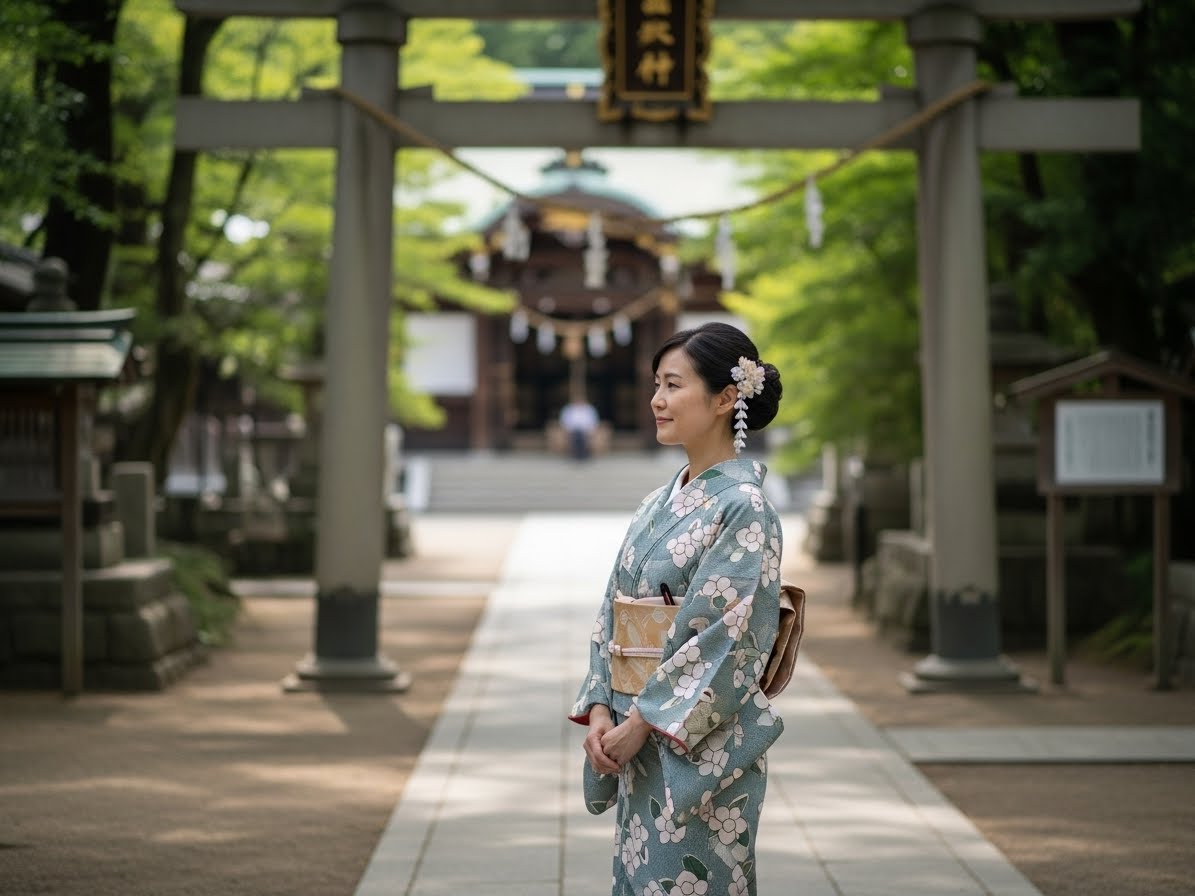
A thoughtful approach goes a long way. Listen to your stylist’s instructions, follow proper behavior such as keeping the left side over the right, and avoid dragging the hem on the ground. Being mindful when taking photos, especially at shrines and temples, also shows cultural sensitivity. Many Japanese people enjoy seeing travelers embrace the beauty of their culture when it is done with good manners and genuine interest.

■ What Japanese People Actually Think
Most locals appreciate tourists taking interest in kimono. They see it as a sign of respect and cultural curiosity. It’s common to receive friendly compliments or smiles when walking around Osaka, Kyoto, or Tokyo in kimono. For many artisans and rental shops, welcoming visitors is a way to keep traditional clothing relevant for future generations.

■ Why the Experience Matters
Wearing a kimono helps travelers connect with Japan on a deeper level. You feel how the garment guides your posture, how the layers wrap around the body, and how each pattern carries meaning. This experience turns sightseeing into something more personal and memorable. When approached with respect, it becomes a bridge between cultures.

■ Final Thoughts
Tourists can absolutely wear kimono in Japan. The key is respect — understanding what you’re wearing, following basic etiquette, and appreciating the tradition behind it. When done properly, it becomes a meaningful exchange that honors the craftsmanship and history of Japanese culture.

If you’re visiting Osaka and wish to experience this tradition, choosing a thoughtful rental shop will help you understand the culture while feeling comfortable and welcomed.

BACK pagetop
カワイイオオサカ
Instagram TikTok