How Traditional Crafts Are Used in Modern Kimono Fashion
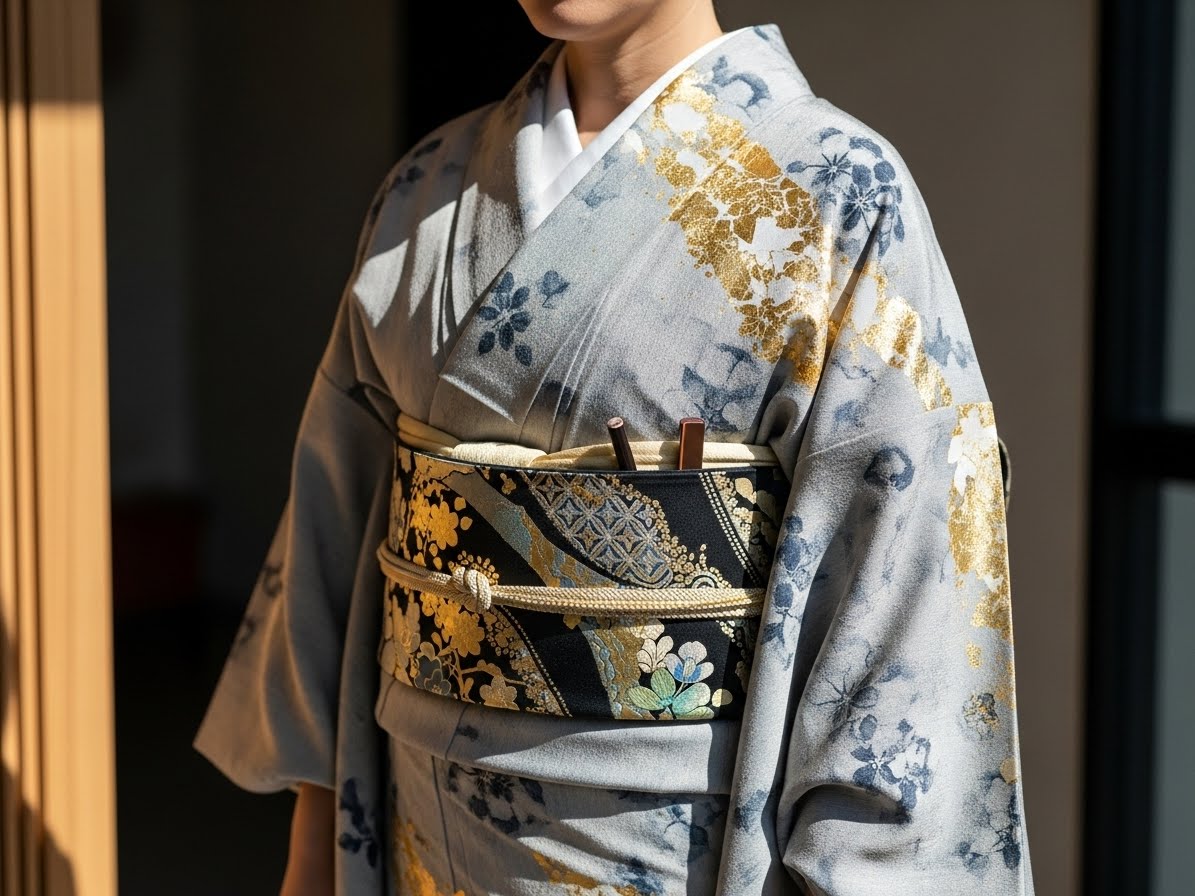
Modern kimono fashion may look stylish and new, but many of its details come directly from centuries-old Japanese craftsmanship.
Even today, traditional techniques are woven, dyed, stitched, and carved into kimono pieces to create designs that feel fresh while honoring history.
Here’s a simple, clear explanation of how these crafts shape today’s kimono trends.
■ Kimono Fabrics Still Use Traditional Weaving Techniques
Many modern kimonos — even casual or fashion-focused ones — rely on weaving styles perfected generations ago.
● Nishijin-ori (Kyoto)
Famous for its shimmering threads and detailed patterns.
Designers today use it not only for formal kimono but also for obi belts with modern colors like pastels or monochrome tones.
● Oshima Tsumugi (Amami Islands)
Known for its lightweight feel and refined geometric patterns.
It appears in minimalist-style kimono and even in modern haori jackets worn like streetwear.
These weaving methods create textures and patterns that no machine can fully imitate.
■ Hand-Dyeing Traditions Influence Modern Color Trends
Modern kimono brands love bold colors, gradient tones, and soft pastels — and these come from old dyeing traditions.
● Shibori
A tie-dye technique that creates tiny, delicate textures.
Today it appears in contemporary kimono scarves, obi trims, and casual yukata with trendy designs.
● Yuzen
A painting method used for detailed motifs.
Designers now apply Yuzen to minimal, modern themes such as abstract lines, florals with reduced colors, or geometric shapes.
The craftsmanship gives even modern designs depth and individuality.
■ Embroidery Techniques Are Used to Add “Modern Luxury”
Hand embroidery has always been used for formal kimono, but now it’s used in more playful and fashion-forward ways.
● Floral metallic threads on casual kimono
● Raised embroidery on obi to add dimension
● Subtle sparkles for nighttime photoshoots in Dotonbori
These touches create a balance between tradition and modern style.
■ Wooden Crafts and Metalwork Appear in Hair Accessories
Traditional crafts extend beyond clothing.
● Kanzashi (hairpins)
Once worn for formal settings, now redesigned with acrylic, resin, or gold accents for modern hairstyles.
● Wooden combs (kushi)
Historically lacquered by hand, now adapted in lighter, portable versions for kimono photo sessions.
These accessories allow visitors to enjoy Japanese craftsmanship in an approachable way.
■ Traditional Patterns Are Updated for Today’s Fashion
Classic motifs like sakura, cranes, waves, or hemp leaves still appear everywhere — but with a twist.
Modern updates include:
• oversized patterns for a bold look
• muted color palettes for a minimalist vibe
• asymmetrical designs inspired by street fashion
• pastel tones for a cute, Instagram-friendly style
Designers take historical symbols and reinterpret them to match today’s tastes.
■ Old Techniques Are Used in Sustainable Fashion
Sustainability is a major trend, and kimono fashion fits well because traditional garments are made to last for decades.
Modern creators use:
• vintage kimono fabric to make bags, jackets, and accessories
• leftover obi material for phone straps or pouches
• repaired or re-dyed kimono (kintsugi-style textile repair)
Traditional durability becomes part of modern eco-friendly design.
■ Artisans Collaborate With Young Designers
A growing movement in Japan brings together traditional craftspeople and modern fashion creators.
Examples include:
• obi belts made with street-art elements
• yukata collections co-designed with illustrators
• limited-edition kimono using pop-art colors
• haori jackets paired with sneakers for urban styling
These collaborations keep traditional techniques alive while introducing them to new audiences.
■ A Simple Summary
Traditional crafts continue to shape modern kimono fashion by influencing:
• fabric weaving
• dyeing styles
• embroidery
• accessory design
• pattern updates
• sustainable repurposing
• designer collaborations
The result is fashion that feels both timeless and fresh — a perfect mix of Japanese heritage and modern creativity.






 BOOK NOW