The Meaning Behind Common Japanese Patterns You See on Kimonos
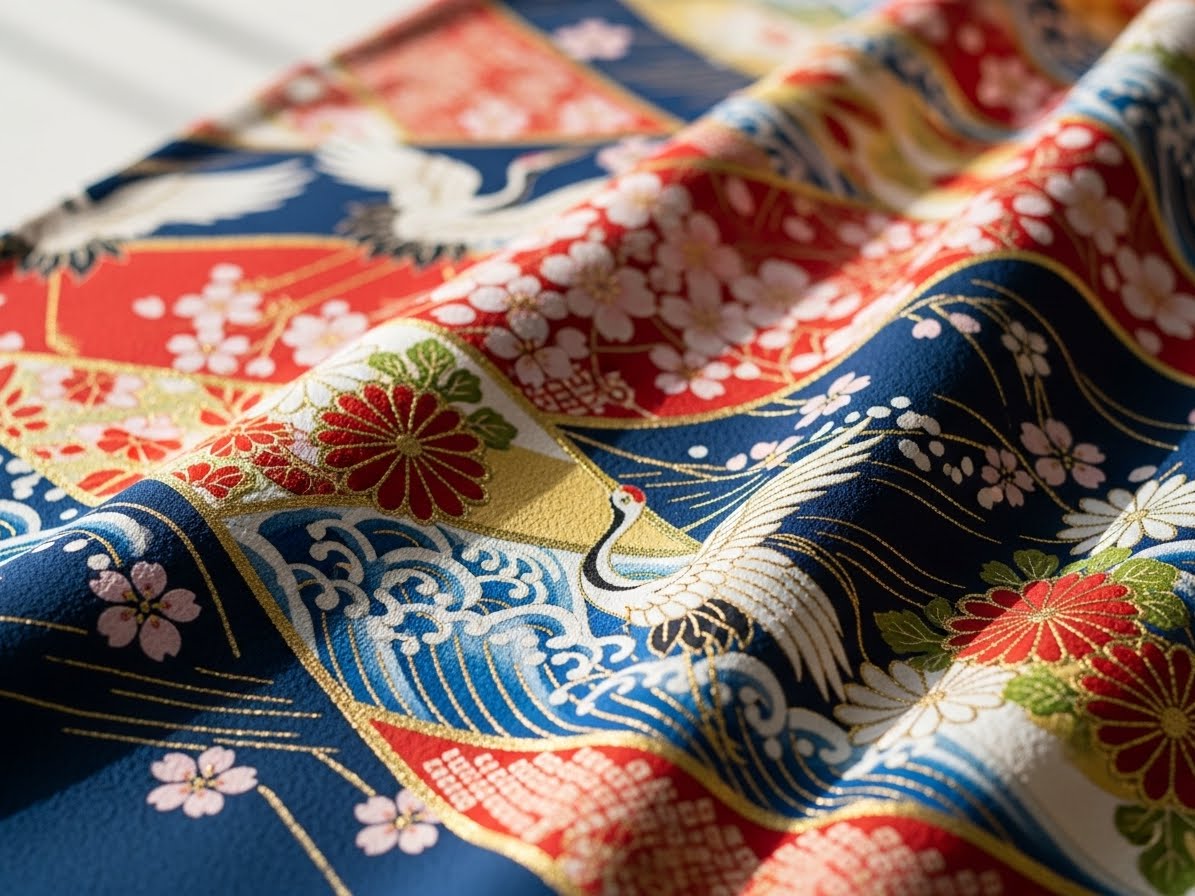
When you browse kimono rentals in Osaka or walk through shops in Namba and Shinsaibashi, you’ll notice that kimono designs are full of symbolic patterns. These motifs aren’t just decorative — each one carries cultural meaning, seasonal associations, and even wishes for good fortune.
Understanding these symbols makes your kimono experience richer and more meaningful, especially if you plan to take photos or choose a design that reflects your personality.
■ Sakura (Cherry Blossoms) — Beauty, Renewal, and the Fleeting Nature of Life
Sakura is one of the most famous Japanese motifs.
It represents the beauty of spring and the idea that life is precious because it is short.
Why sakura is popular on kimonos:
• symbolizes fresh beginnings
• suits cheerful, bright personality styles
• photographs beautifully in spring scenery
Kimono with sakura patterns often feel light, romantic, and elegant — perfect for visitors who want a classic Japanese look.
■ Ume (Plum Blossoms) — Strength and Resilience
Ume blooms at the end of winter, surviving cold winds and snow.
Because of that, it has long symbolized perseverance and inner strength.
Meaning in kimono culture:
• courage to overcome challenges
• renewal and hope
• strong, uplifting energy
Ume patterns are great for winter and early spring kimonos and often pair well with bold colors like red or navy.
■ Kiku (Chrysanthemum) — Longevity and Royal Elegance
The chrysanthemum is deeply connected to the Japanese Imperial family and represents dignity and long life.
Why it appears frequently:
• a symbol of prestige and refinement
• used in formal kimono styles
• carries a graceful, timeless beauty
Kimono with kiku motifs give a very elegant impression in photos.
■ Asanoha (Hemp Leaf) — Protection and Healthy Growth
This geometric pattern resembles a hemp leaf. Hemp grows quickly and straight, so the design is linked to growth and protection.
Symbolic meaning:
• strong personal development
• good luck for children
• clean, modern visual impact
Asanoha is extremely popular even in modern fashion because of its sharp, stylish shape.
■ Seigaiha (Blue Ocean Waves) — Peace and Good Fortune
This wave-like pattern goes back over a thousand years and symbolizes calm seas and a peaceful, prosperous life.
Why it’s meaningful:
• represents stability and harmony
• ideal for summer or water-themed designs
• offers a beautifully structured pattern for photos
Seigaiha kimonos often look refreshing and balanced, especially in blue or white tones.
■ Tsuru (Cranes) — Good Luck and Long Life
The crane is one of the most positive symbols in Japanese culture.
It represents:
• longevity
• happiness
• loyal partnership
Cranes frequently appear on wedding kimono or formal attire because they symbolize a blessed future.
■ Tsubaki (Camellia) — Bold Beauty and Modern Femininity
Camellias bloom strongly and vividly, often representing a confident and sophisticated personality.
Reasons they’re often used:
• striking color contrast
• suitable for winter or early spring
• modern yet traditional appeal
This motif photographs well in city settings like Dotonbori, where bright colors pop against neon lights.
■ Momiji (Maple Leaves) — Change, Reflection, and Autumn Beauty
Momiji patterns appear on many autumn kimonos and symbolize emotional depth and seasonal transformation.
Meaning:
• gentle maturity
• appreciation of change
• connection to nature
These motifs pair perfectly with Osaka’s autumn foliage at Minoo Park or Katsuo-ji Temple.
■ Uroko (Scales) — Protection from Danger
The geometric triangle pattern represents fish or serpent scales.
Symbolic meaning:
• a talisman for protection
• strength against misfortune
• clean, sharp, modern look
Uroko patterns create visually dynamic photos thanks to their bold, repeating shapes.
■ Sensu (Folding Fans) — Celebration and Joy
Folding fans open outward like a flower, symbolizing the unfolding of a bright future.
Used for:
• festive seasons
• weddings
• joyful events
Fans communicate happiness and good luck — perfect for cheerful, colorful kimono styles.
■ Choosing a Pattern That Matches Your Personality
Here’s a small guide to help you pick a pattern based on what you want to express:
• Soft, romantic vibes → sakura or tsubaki
• Strong and independent → ume or asanoha
• Elegant and traditional → kiku or tsuru
• Calm and peaceful → seigaiha
• Bold and modern → uroko
• Autumn or deep tones → momiji
The pattern you choose becomes part of your story in Japan — not just decoration, but symbolism you wear.
■ Final Thoughts
Patterns on kimonos aren’t random. Each one has centuries of meaning behind it, carrying wishes for happiness, protection, love, growth, or elegance.
When you choose a kimono in Osaka, pay attention to the motifs. The right pattern can enhance your photos, connect you to Japanese culture, and help you create a more personal and unforgettable experience.




 BOOK NOW