TOPICS

2026.01.03

Why Japanese People Wear Kimono for Special Occasions: A Simple Explanation

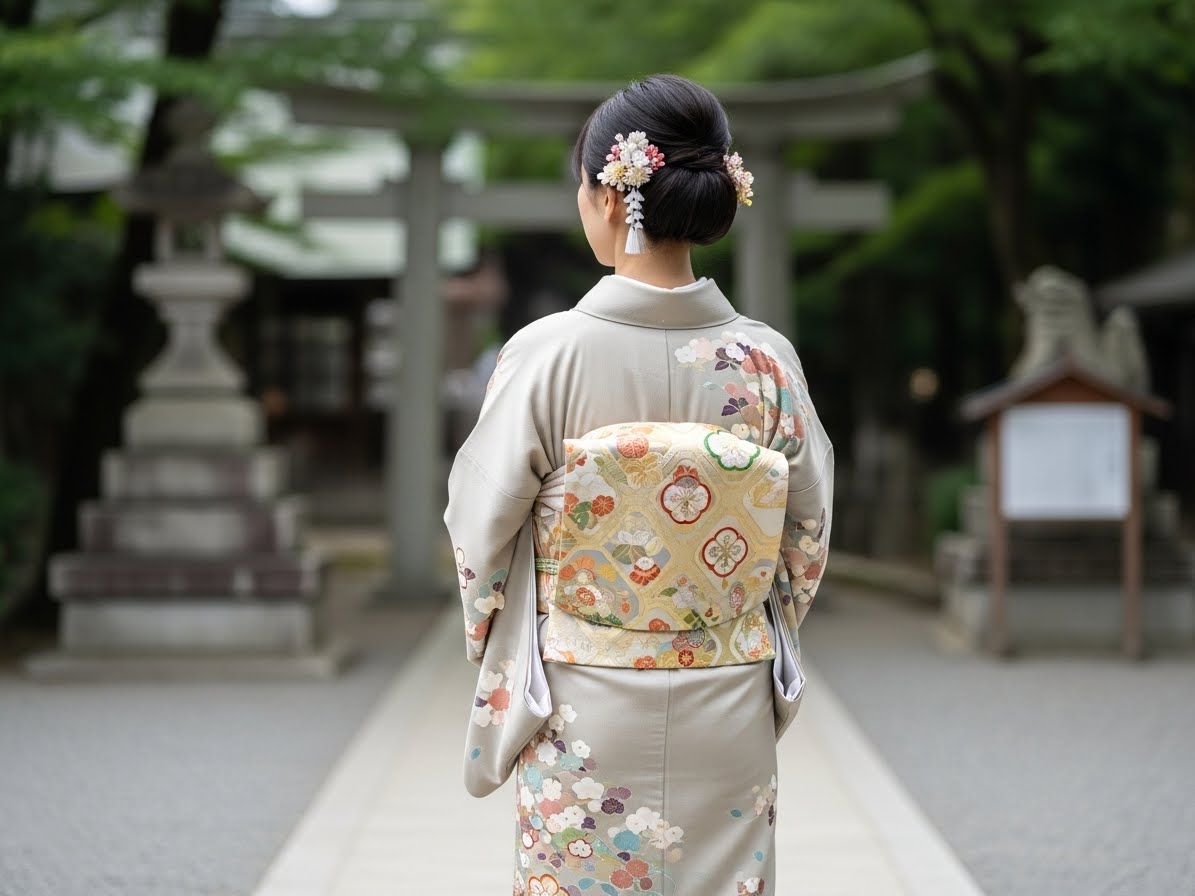
If you’ve traveled in Japan, you’ve probably seen people wearing beautiful kimonos during festivals, ceremonies, or family events.
But why do Japanese people still choose kimono for special occasions in modern life?
Here’s a simple and clear explanation that helps you understand the cultural meaning behind this tradition.

■ Kimono Connects People to Their Family and Heritage
Kimono is more than clothing — it’s a link to family history.
Many Japanese families pass down kimonos from parents or grandparents, and wearing one honors that connection.

People often say that putting on a kimono feels like carrying their family’s memories with them.
This is why it’s worn on important days such as weddings, coming-of-age ceremonies, and graduations.

■ Wearing a Kimono Shows Respect for the Occasion
In Japan, clothing is part of etiquette.
Dressing in a kimono signals that the event is meaningful and that you want to show respect to the people involved.

For example:
• attending a wedding
• visiting a shrine for New Year
• celebrating a child’s first milestone event

The kimono elevates the atmosphere, showing that the moment is special and worth dressing up for.

■ Kimono Highlights the Beauty of the Seasons
Japan has a strong appreciation for the four seasons, and kimono designs reflect this.

Spring: cherry blossoms, light pink tones
Summer: cool blues and geometric patterns
Autumn: maple leaves and warm reds
Winter: elegant dark colors and woven textures

Wearing seasonally appropriate kimono is a way to celebrate nature and its changes, which is an important part of Japanese culture.

■ Kimono Makes Milestones Feel More Meaningful
Certain life events traditionally involve kimono, and the clothing helps mark these moments as “once in a lifetime.”

Examples include:
• Coming-of-Age Day (turning 20)
• Graduation ceremonies
• Weddings and engagement rituals
• Shichi-Go-San (children’s celebrations at ages 3, 5, and 7)

These milestones become more memorable when photographed in kimono, creating keepsakes that last for generations.

■ Kimono Encourages Mindfulness and Calm
The process of wearing kimono involves deliberate, gentle movements:
tying the obi, adjusting the collar, smoothing the sleeves.
It slows you down and encourages a calm, focused mindset.

Many Japanese people say that kimono helps them feel more graceful and more aware of the moment — perfect for days that matter.

■ Kimono Is a Way to Express Personal Style
Although kimono is traditional, it’s also a form of self-expression.

People choose:
• colors that match their personality
• patterns that represent their wishes
• accessories that bring a modern or classic touch

From bold modern designs to formal classical pieces, kimono lets people show who they are in a unique and meaningful way.

■ Kimono Creates Shared Happiness in Photos
A special occasion often means taking photos with family and friends.
Kimono instantly makes those photos more beautiful and emotionally rich.

The elegance of the fabric, the colors, the posture — everything comes together to create images that feel timeless.

■ A Simple Summary
Japanese people wear kimono on special occasions because it represents:
• respect for the event
• connection to family and tradition
• appreciation of seasonal beauty
• celebration of life’s milestones
• mindfulness and elegance
• personal expression
• lasting memories

Even in a modern, fast-paced world, kimono continues to play an important role because it makes meaningful moments feel even more special.

BACK pagetop
カワイイオオサカ
Instagram TikTok