





 BOOK NOW
TOPICS
What to Expect at a Kimono Rental Shop in Japan (Etiquette & Do’s and Don’ts)
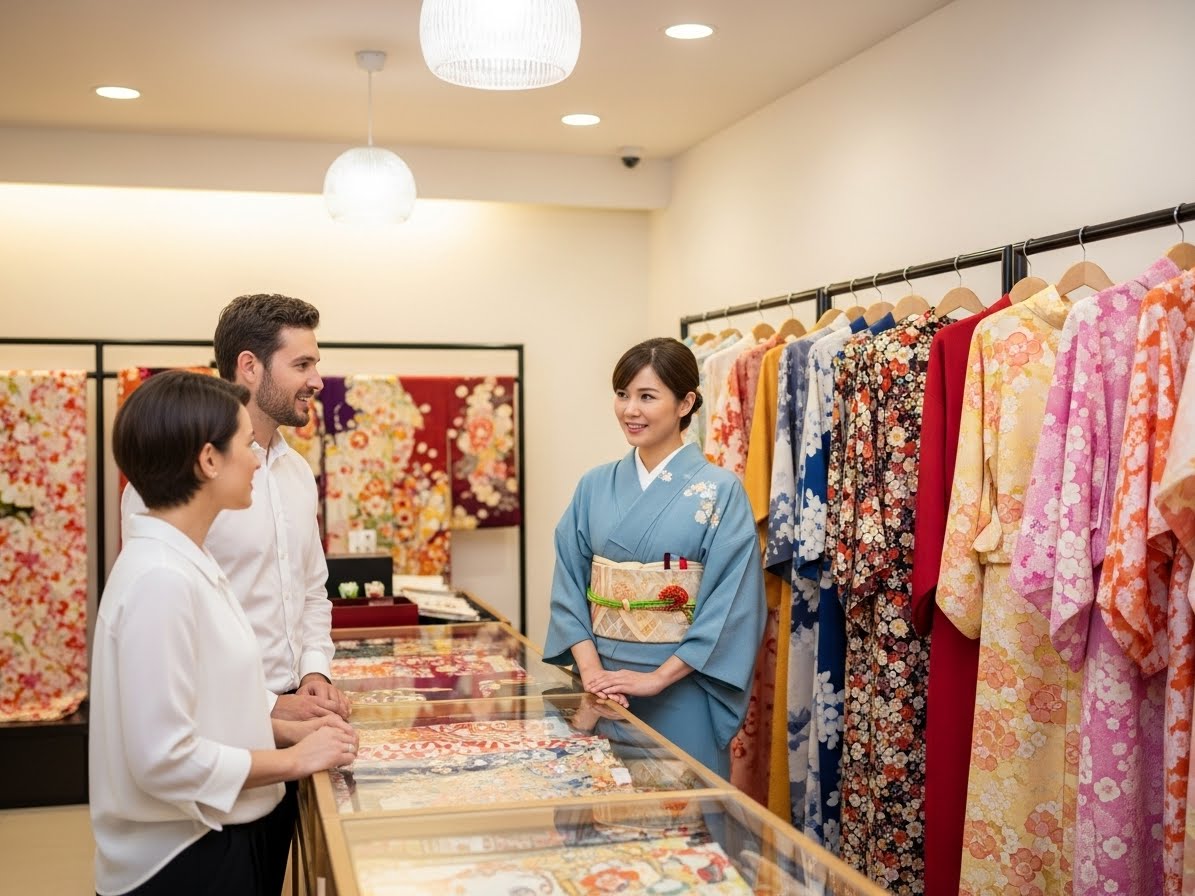
Renting a kimono in Japan is not just about putting on beautiful clothes.
It’s a cultural experience—one that begins the moment you step inside the shop.
If it’s your first time, you might feel a little unsure:
• What do people normally do inside a kimono shop?
• Are there any rules I should follow?
• Will staff explain everything?
• What if I make a mistake?
The good news?
Kimono rental shops are extremely beginner-friendly, and most staff are used to helping visitors from all over the world.
This guide will walk you through exactly what to expect, along with simple etiquette and mistakes to avoid.
Think of this as a friendly companion that helps you feel confident before your visit.
■ The Atmosphere Inside a Kimono Rental Shop
Most rental shops in Japan feel warm, quiet, and organized — almost like stepping into a dressing room crossed with a boutique.
You’ll usually notice:
• Racks of colorful kimonos lined up by pattern or season
• Shelves filled with obi belts, bags, hairpins, and accessories
• Staff moving gracefully, preparing dressing tools
• A calm environment where everyone speaks in soft voices
Even in busy cities like Osaka or Kyoto, kimono shops try to maintain a gentle, relaxing atmosphere.
It’s part of the experience — you’re entering a space where time slows down a little.
■ Step 1: Check-In and Basic Instructions
When you arrive, staff will greet you with a polite bow and a friendly smile.
Even if you don’t speak Japanese, most shops follow the same simple process:
■ They confirm your reservation or ask about walk-in availability
Name, time, number of people — that’s it.
■ They explain packages in clear terms
Standard plan, premium kimono, hair styling, accessories.
■ They store your luggage
Suitcases, backpacks, shopping bags — usually free of charge.
If you’re unsure about anything, just say:
• “This is my first time.”
• “What do you recommend?”
Japanese staff are incredibly helpful once they know you’re new.
■ Step 2: Choosing Your Kimono
■ Etiquette Inside a Kimono Rental Shop
Japanese kimono shops are warm and welcoming, but they also follow a few gentle customs.
These aren’t strict rules — think of them as ways to show respect and make your experience smoother.
■ Do: Speak softly
Kimono shops try to maintain a calm atmosphere.
Soft voices help everyone feel relaxed.
■ Do: Handle kimonos with care
When browsing, use both hands.
You don’t need to fold anything — staff will take care of that — but gentle handling is appreciated.
■ Do: Remove shoes when entering dressing areas
Most shops have a clear boundary.
If you’re unsure, just look around; others will be doing the same.
■ Do: Let staff guide you
Kimono dressing has specific techniques.
Trust the staff — they are trained to make everything look perfect.
■ What Not to Do (Don’ts)
These mistakes happen often, especially among first-time foreign visitors.
Avoiding them helps prevent damage and keeps the experience smooth.
■ Don’t pull or stretch the fabric
Kimono silk and cotton can be delicate.
If something feels tight or uncomfortable, don’t tug on it — ask the staff.
■ Don’t sit on dirty or rough surfaces
Stone ground, walls, or outdoor steps can damage or stain the fabric.
If you need to sit, choose a clean bench or chair.
■ Don’t run or take long wide steps
The fabric around your legs is intentionally narrow.
Running could loosen the obi or open the front panel.
■ Don’t force accessories
If a belt, ribbon, or clip seems difficult to attach, let staff help.
Everything has a specific technique.
■ Don’t rush the dressing process
Kimono dressing is precise.
Give the staff a few quiet minutes to complete the final adjustments.
■ “Is It Okay for Tourists to Wear Kimono?”
This is one of the most common questions from visitors — and the answer is simple:
■ Yes, absolutely.
Japanese people generally feel happy when visitors appreciate the culture sincerely.
Wearing a kimono for sightseeing, photos, or festivals is totally acceptable.
The key is respect, not perfection.
As long as you’re polite, curious, and open-hearted, you are welcome.
■ Communication Tips If You Don’t Speak Japanese
Don’t worry — most shops in Osaka and Kyoto help people who don’t speak Japanese every day.
Here are useful, simple phrases:
■ “This one, please.”
■ “Which color suits me?”
■ “Can you tighten it a little?”
■ “A little looser, please.”
■ “Where should I return the kimono?”
If you ever feel lost, try:
■ “First time. Please guide me.”
Staff will immediately switch to a more step-by-step explanation.
■ What Happens After You’re Fully Dressed
Once your kimono is ready, staff will:
• Adjust your sleeves
• Check your silhouette
• Make sure your collar sits correctly
• Confirm you can walk comfortably
Some shops may even take a quick photo for you before you leave — a small gesture that many travelers appreciate.
Then you’re free to explore the city!
The moment you step outside, something magical happens:
your posture changes, your pace softens, and suddenly Osaka feels different — more traditional, more cinematic, more immersive.
Kimono transforms not just your appearance, but how you experience the city.
■ Walking Etiquette While Wearing a Kimono
Kimono encourages elegant, slower movement. Here are friendly reminders:
■ Keep your steps small
This prevents the fabric from opening.
■ Hold your bag in front
It complements the silhouette and feels balanced.
■ Be careful on stairs
Kimono restricts big steps, so go slowly.
■ Avoid messy street foods
Takoyaki looks delicious… but it splashes.
If you really want to eat it, ask for extra paper or napkins.
■ Take breaks
Kimono is layered clothing.
A short rest helps maintain comfort.
■ Common Surprises for First-Time Visitors
Most people who rent kimono for the first time say:
■ “It was more comfortable than I expected.”
■ “The dressing process was so smooth.”
■ “I looked different — in a good way.”
■ “Everyone treated me kindly.”
But there are also a few things that surprise travelers:
■ Kimono can feel warmer than expected
There are several layers, so even in spring it feels cozy.
■ The obi is firm, but it shouldn’t hurt
If you feel pain, you can always request an adjustment.
■ You walk more slowly without noticing
Your body naturally adapts to the clothing.
■ Locals may compliment your look
Japanese people often say “kawaii!” or smile when they see tourists in kimono.
■ What Not to Worry About
Many travelers overthink certain things.
Here are topics you can stop stressing about right now:
■ “What if I wear the kimono wrong?”
→ Staff adjust everything, so you can’t really do it wrong.
■ “What if I choose the wrong color?”
→ Photos look amazing as long as you feel good in your outfit.
■ “What if I don’t know the cultural rules?”
→ Basic politeness is enough. You’re not expected to be perfect.
■ “What if I make a mistake?”
→ Staff are used to beginners. They’ll help gently.
In short: you don’t need to be an expert to enjoy kimono.
Curiosity and respect are all you need.
This is the part everyone loves.
A staff member will guide you to the kimono racks.
They may ask simple questions to help find the right style:
• “Do you like bright colors or soft colors?”
• “Traditional pattern or modern style?”
• “Where will you take photos today?”
The last question is more important than you think.
Choosing a kimono that matches the location — shrines, rivers, neon lights, cafés — makes your photos look magical.
■ Tips for choosing a kimono that fits your day
• Light colors → temples, shrines, nature spots
• Deep colors → nighttime streets and city lights
• Bold patterns → festivals and celebrations
• Pastel tones → modern cafés and stylish alleys
If you feel overwhelmed by choices, that’s normal.
Just point to a few you like and say:
• “Which one suits me best?”
Japanese staff have a great eye for balance and will guide you gently.
■ Step 3: Selecting the Obi, Bag, and Accessories
Once the kimono is chosen, staff will help you pick matching items.
■ Obi belt
This is the centerpiece of the outfit.
The staff will often choose two or three options and let you pick your favorite.
■ Bag
Small Japanese-style bags are provided.
They’re perfect for essentials like your phone, wallet, and passport.
■ Hair accessories
Flowers, ribbons, kanzashi, lace pieces — choose depending on the vibe you want.
■ Seasonal items
• Summer → fans, umbrellas
• Winter → shawls, haori jackets
You don’t need to understand how everything works together.
Just choose what feels right — staff will handle the harmony.
■ Step 4: Dressing (Kitsuke) — A Quiet and Elegant Process
This is where Japanese craftsmanship shines.
Dressing in a kimono is a precise, almost ceremonial process.
The staff move efficiently but gently, adjusting layers so they sit perfectly.
■ What you can expect
• You will step into a private or semi-private dressing area
• Staff will wrap the inner layer first
• They will adjust your collar
• Waist ties (koshi-himo) are added
• Padding is used to create a smooth shape
• The obi is tied carefully at the end
The entire process for women usually takes 15–25 minutes.
Men’s kimono dressing takes around 10–15 minutes.
■ During dressing
You don’t need to do anything — just relax and breathe normally.
Staff may touch your shoulders or arms to adjust the fabric.
This is normal and done respectfully.
If anything feels too tight or uncomfortable, simply say:
• “A little loose, please.”
• “Can you adjust the waist?”
Kimono should feel secure but not painful.
■ Step 5: Hair Styling (Optional but Highly Recommended)
Many first-time renters don’t realize how much a hairstyle changes the final look.
A simple updo or braid:
• Keeps the collar visible
• Enhances the kimono silhouette
• Looks fantastic in photos
• Helps you stay cool in warm weather
Osaka shops often offer quick, elegant hairstyles for 1,000–2,500 yen.
If you prefer something minimal, you can say:
• “Something simple, please.”
• “Natural style is okay.”
Stylists will adjust the look to match your kimono’s color and pattern.
■ How to Take Good Photos in a Kimono (Simple Tips for Non-Models)
A kimono naturally makes you look graceful, but a few easy techniques can elevate your photos instantly — without needing professional skills.
■ Keep your shoulders relaxed
Tension shows immediately in photos.
Soft shoulders make the kimono drape beautifully.
■ Angle your body slightly
Facing the camera straight-on feels stiff.
Turn your body 30 degrees to the side for a natural look.
■ Use your sleeves
Hold the sleeve gently with one hand.
This simple gesture looks elegant and photogenic.
■ Try walking shots
Take a slow step and look slightly downward — it creates a cinematic feel.
■ Use backgrounds with contrast
• Bright kimono → darker backgrounds
• Dark kimono → neon lights or daytime skies
In places like Dotonbori, Hozenji Yokocho, or Osaka Castle, contrast is easy to find.
■ Returning the Kimono: What to Expect
When you come back to the shop, the return process is extremely simple.
■ Staff will greet you and check the condition
You don’t need to fold anything — just hand it over gently.
■ Accessories are returned together
Hairpins, bags, fans, shawls — put everything in the tray they provide.
■ You may change back into your own clothes
Changing rooms are usually the same ones you used earlier.
■ Payments or additional fees (if any)
Most travelers do not have extra charges unless:
• You returned late
• You chose next-day return
• You added optional items during the rental
The entire return process takes about 3–5 minutes.
■ If You Accidentally Damage the Kimono
This is a big fear for many visitors — but here is the reassuring truth:
■ Small stains and wrinkles are normal.
Shops expect them. You won’t be charged.
Charges usually apply only if:
• A large tear occurs
• The fabric is burned
• Permanent damage is caused
But these incidents are extremely rare.
As long as you’re reasonably careful, you’ll be fine.
■ Quick Do’s & Don’ts Checklist (Perfect for Screenshot)
■ Do’s
• Speak softly inside the shop
• Ask staff for styling advice
• Walk with small steps
• Choose clean places to sit
• Drink water and take breaks
• Enjoy compliments from locals
• Tell staff if anything feels too tight
■ Don’ts
• Don’t tug on the obi or collar
• Don’t run or make big movements
• Don’t try street foods that splash
• Don’t force accessories
• Don’t sit on rough ground or stone steps
• Don’t worry too much — staff will guide you
Screenshots of checklists like this often become travelers’ favorite reference during their trip.
■ Cultural Appreciation: The Heart of the Experience
Wearing a kimono is not only about fashion.
It’s a quiet connection to Japanese tradition — one that locals deeply appreciate when done with sincerity.
You don’t need perfect posture, perfect manners, or perfect knowledge.
All you need is:
■ Curiosity
■ Kindness
■ A willingness to learn
If you bring these with you, the kimono experience becomes more meaningful than a simple photoshoot — it becomes a memory that stays with you long after you’ve left Japan.