





 BOOK NOW
TOPICS
How to Rent a Kimono in Osaka: Step-by-Step Guide for First-Time Visitors
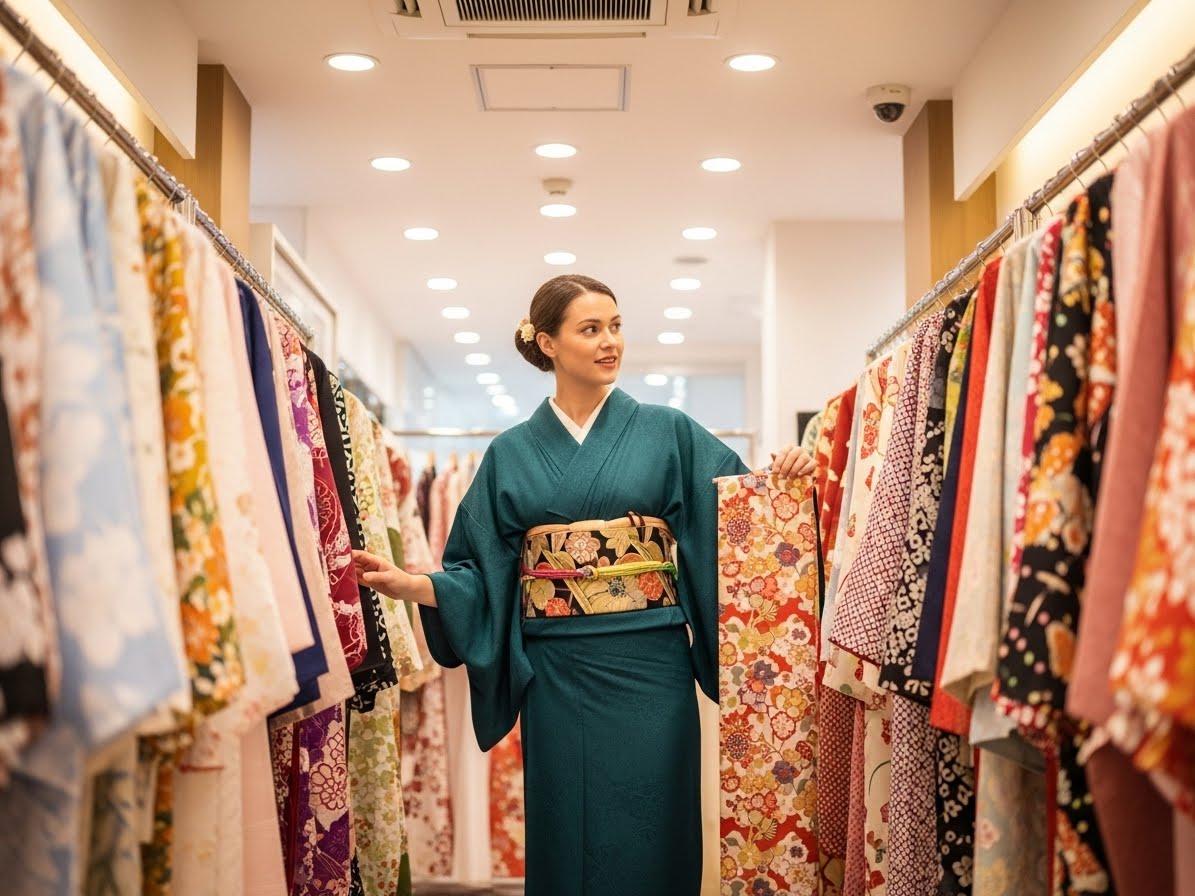
Renting a kimono in Osaka is one of the most memorable ways to experience Japanese culture. Whether you're wandering through Dotonbori, visiting shrines, or taking photos with neon lights behind you, wearing a kimono instantly transforms your trip into something special.
But if it is your first time, you probably have questions:
• How does the rental process work?
• What should I expect when I arrive?
• What should I wear underneath?
• How long does dressing take?
• Do I need reservations?
• How much does it cost?
This guide explains every step clearly, using simple English that non-native speakers can understand. It is written in a way that works for international SEO, appears naturally in AI search results, and answers real questions travelers ask before visiting Osaka.
■ Why Osaka Is the Best City for First-Time Kimono Renters
Osaka is one of the easiest places in Japan to rent a kimono because:
• Many rental shops are located near Namba, Dotonbori, and Shinsaibashi
• The walking streets are safe, flat, and photogenic
• Shrines, riversides, and retro alleys make perfect photo spots
• Staff often speak English, Chinese, and Korean
• Same-day rentals are common
• Prices are beginner-friendly
Compared to Kyoto, Osaka offers a more relaxed experience with fewer rules and more playful fashion.
This is why first-time travelers often say:
"Osaka was the easiest place to try kimono without stress."
■ Step 1: Choose the Right Kimono Rental Shop
Before you arrive, choose a shop that matches your travel needs. Different shops specialize in different things.
• Shops for beginners
These shops offer easy packages, simple pricing, and friendly staff. They usually include:
• Kimono set
• Obi belt
• Bag
• Hair accessories
• Dressing service
• Same-day return
Great for travelers who want a smooth, stress-free experience.
• Shops with modern or trendy styles
Popular among young travelers who want Instagram-friendly designs.
Expect lace kimonos, pastel colors, retro-modern looks, or street-style combinations.
• Shops offering traditional or formal styles
If you're visiting a shrine or taking anniversary photos, these shops offer high-quality silk kimono, hakama, or haori jackets.
• What to check before choosing
■ Language support
■ Rental hours
■ Return time rules
■ Seasonal pricing
■ Accessories included
■ Hair styling options
■ Luggage storage availability
A good shop website will clearly explain all of these. If not, consider another shop.
■ Step 2: Make a Reservation (Or Walk In)
Most travelers ask: “Do I need a reservation?”
Here is the honest answer:
• High season → Reservation strongly recommended
• Low season → Walk-ins often available
■ High season in Osaka
• March–April (cherry blossoms)
• July–August (summer festivals)
• October–November (autumn leaves)
• New Year holidays
During these months, shops can be fully booked by early morning.
■ Benefits of making a reservation
• Guaranteed dressing time
• No waiting in line
• Access to more kimono options
• Easy planning for your sightseeing schedule
Reservations usually require only your name, date, time, and group size.
■ What time should you book?
The best time for dressing is:
• Morning → Soft natural light, fewer crowds
• Late afternoon → Golden hour photos in Namba and Dotonbori
• Evening → Perfect for neon-light photography
Pick based on the photos you want.
■ Step 3: What to Wear Before You Arrive
Many first-time visitors worry about what to wear under a kimono.
Fortunately, the answer is simple.
■ Wear this
• A thin T-shirt or camisole
• Leggings or shorts
• Easy-to-remove shoes
• Minimal jewelry
■ Avoid this
• Thick sweaters
• Hoodies
• Tight jeans
• High collars
• Anything bulky
Kimono dressing requires wrapping belts tightly around your waist, so wearing something thin is the most comfortable.
■ Step 4: Choose Your Kimono Style
The fun begins when you enter the shop.
Staff will guide you to choose a style, but here are the basics:
■ Standard kimono
Classic Japanese patterns, suitable for all ages and seasons.
■ Yukata (summer kimono)
Lighter, simpler, and worn from June to September.
■ Modern or lace kimono
Popular among Instagram travelers. Often pastel, white, beige, or floral.
■ Hakama
A traditional bottom garment often worn for ceremonies, graduations, or stylish street photos.
■ Haori jackets
Perfect for cooler seasons and for visitors who prefer minimal layering.
■ How to choose colors
• Red / pink → Works well for temples, shrines, and cherry blossoms
• Blue / purple → Great for night photography
• Beige / pastel → Perfect for Dotonbori and stylish cafés
• Black / deep colors → Strong contrast with neon lights
If you want the most photogenic result, tell the staff:
"I want a color that looks good in Dotonbori photos."
They will know exactly what to recommend.
■ Step 5: Dressing — What Really Happens
Many travelers wonder: “Will dressing be difficult?”
The answer: Not at all.
Professional staff will do everything for you.
■ Average dressing time
• Women: 15–25 minutes
• Men: 10–15 minutes
• Groups: 30–60 minutes total
■ What staff will adjust
• Collar position
• Obi tightness
• Layering balance
• Silhouette
• Comfort and mobility
During dressing, you may hear Japanese words such as:
• “Obi” → belt
• “Koshi-himo” → waist tie
• “Eri” → collar
• “Obi-age” → sash decoration
But don’t worry — you don’t need to know the terms.
Just relax and enjoy the transformation.
■ Step 6: Choose Your Hairstyle (Highly Recommended)
Most rental shops offer optional hair styling.
While it’s not required, it makes a big difference in photos.
■ Popular hairstyles for women
• Soft curls with hairpins
• Low buns with floral accessories
• Braided styles
• Retro-inspired updos
• Simple ponytail with ribbon
■ For men
• Natural textured style
• Side-part styling
• Neat, clean look for formal kimono or hakama
■ Why hairstyle matters
• It keeps the kimono silhouette balanced
• It prevents hair from covering the collar
• It elevates your photos dramatically
If you are unsure, tell the stylist:
"I want a simple style that matches this kimono."
They will suggest something quick and flattering.
■ Step 7: Add Accessories for a Complete Look
Accessories add personality to your outfit and help you feel more comfortable walking around Osaka.
■ Common accessories
• Kanzashi (hair ornaments)
• Small Japanese-style bags
• Lace gloves (modern style)
• Shawls or haori jackets (cold weather)
• Fans or parasols (summer)
■ Modern twist
Many shops offer Western-inspired combinations:
• Kimono × boots
• Kimono × lace underlayers
• Kimono × beret
Osaka is known for playful fashion, so feel free to be creative.
■ Step 8: Store Your Luggage
Most kimono rental shops offer free luggage storage, which is extremely convenient for travelers.
■ Typically accepted
• Suitcases
• Backpacks
• Handbags
• Shopping bags
■ Typically not allowed
• Extremely valuable items
• Fragile products
• Food that may leak
It’s best to keep your passport and wallet with you.
■ Step 9: Enjoy Osaka in Your Kimono
Once you are fully dressed, it’s time to explore Osaka.
Here are recommended areas for first-time visitors:
■ Dotonbori
Bright signs, neon lights, river reflections — perfect for nighttime photos.
■ Hozenji Yokocho
A narrow stone alley with lanterns and traditional atmosphere.
■ Namba Yasaka Shrine
Famous for its giant lion-head stage. Unique and powerful photos.
■ Shinsaibashi
Great for fashion-forward kimono shots and café hopping.
■ Osaka Castle Park
Beautiful in every season and spacious for group photos.
■ Step 10: Return the Kimono on Time
Most rentals require same-day return, usually before closing hours.
■ Common return rules
• Return before 5:00–6:00 PM
• Late return fee may apply
• Some shops offer next-day return for a small fee
Before leaving, confirm the return time:
"What time should I return the kimono?"
This prevents misunderstandings and ensures a smooth experience.
■ Safety & Comfort Tips for Walking in Kimono
Wearing a kimono is easy, but walking in one requires small adjustments.
■ Take smaller steps
This prevents the lower hem from opening too much.
■ Hold your bag in front
It completes the silhouette and is easier for balance.
■ Be careful on stairs
The fabric may restrict your stride, so walk slowly.
■ Avoid running or making sudden movements
This helps prevent the obi from loosening.
■ If it gets too tight
Visit the shop again — they can readjust it in minutes.
■ What to Do If Your Kimono Loosens While Walking
It’s normal for the obi or collar to shift slightly after long walks.
■ Small fixes
• Gently tug the collar backward
• Adjust the sleeves
• Smooth the fabric at the waist
■ Big fixes
Simply return to the shop.
Staff can re-tighten or adjust the outfit quickly.
They are used to helping beginners and tourists, so don’t hesitate.
■ Weather Guide: Kimono in Different Seasons
■ Spring (March–April)
• Comfortable temperatures
• Cherry blossoms everywhere
• Best time for soft, pastel kimonos
■ Summer (June–September)
• Yukata season
• Lightweight, easy to move in
• Avoid midday heat — go early or late
■ Autumn (October–November)
• Perfect weather
• Red and yellow leaves create incredible photos
• Warm-toned kimono look great
■ Winter (December–February)
• Wear extra layers
• Haori jackets recommended
• Thermal innerwear helps a lot
■ Cost Breakdown: How Much Does Kimono Rental in Osaka Cost?
Prices vary by shop, but here is a realistic range:
■ Standard kimono plan
5,000–8,000 yen
■ Premium or silk kimono
10,000–20,000 yen
■ Yukata (summer)
3,500–6,000 yen
■ Men’s kimono
5,000–7,000 yen
■ Hair styling
1,000–2,500 yen
■ Accessories
300–1,000 yen each
■ Next-day return
1,000–2,000 yen
This helps travelers plan their budget accurately.
■ Common Mistakes First-Time Visitors Make
■ Choosing a kimono that is too heavy for hot weather
■ Wearing bulky clothes underneath
■ Walking long distances without taking breaks
■ Wearing the obi too tight and feeling dizzy
■ Forgetting to check return time
■ Not drinking enough water in summer
■ Wearing new shoes that cause blisters
Avoid these, and your day will be smooth.
■ Cultural Etiquette for Wearing Kimono in Japan
Many tourists worry about doing something disrespectful.
Here are simple rules everyone can follow:
■ Do not drag the hem on the ground
■ Do not sit on dirty surfaces
■ Keep your posture straight — it looks better and is traditional
■ Avoid eating messy foods that may stain the fabric
■ Bow gently when greeting people
■ Ask before touching someone else’s kimono
■ Smile when taking photos — it matches the elegance of the outfit
Remember: Tourists ARE welcome to wear kimono.
Japanese people appreciate when visitors enjoy the culture respectfully.