2026.08.19
Ura Namba Osaka Guide: How to Add It to Your Kimono Day in Namba
kimono rental
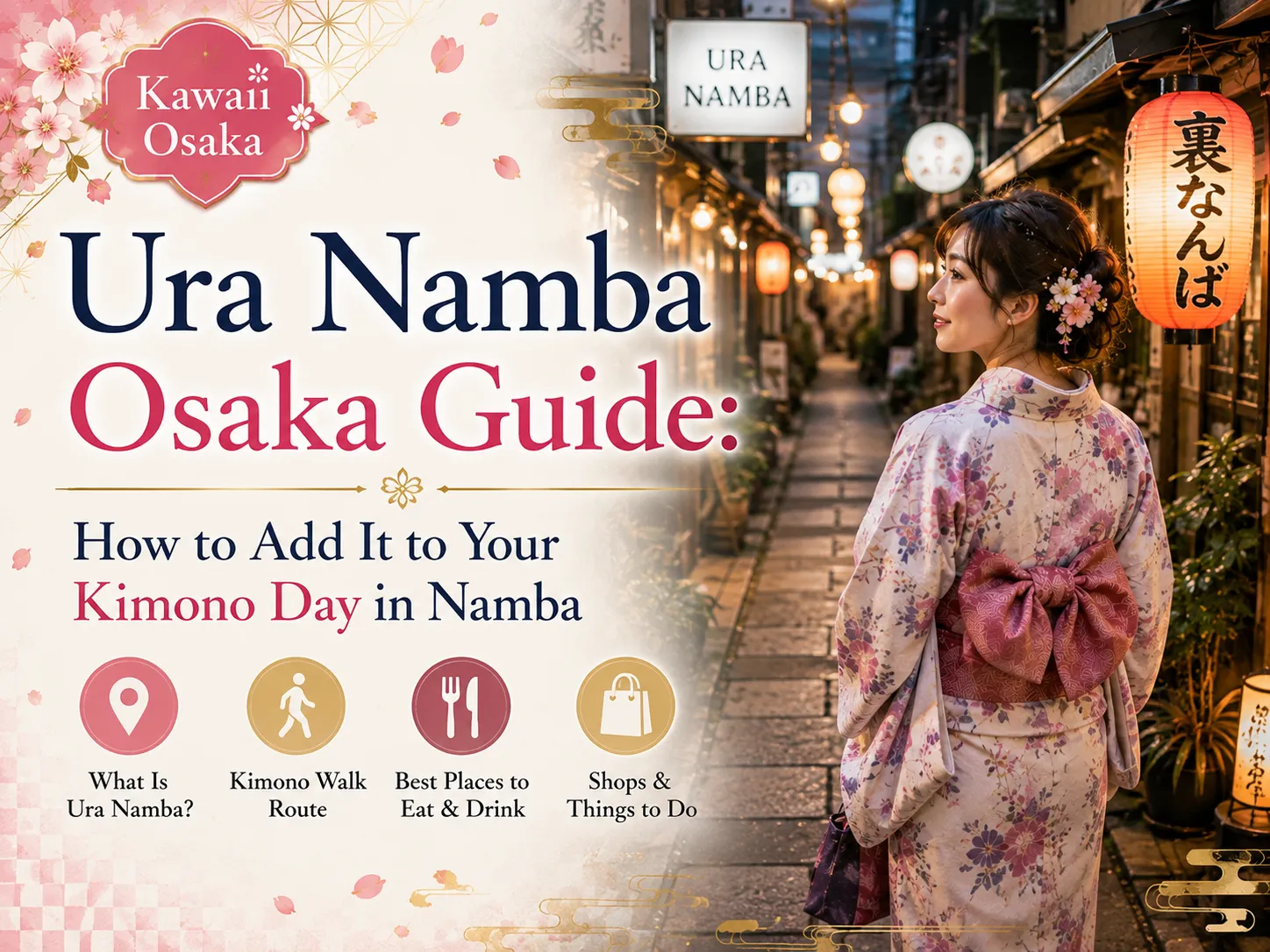
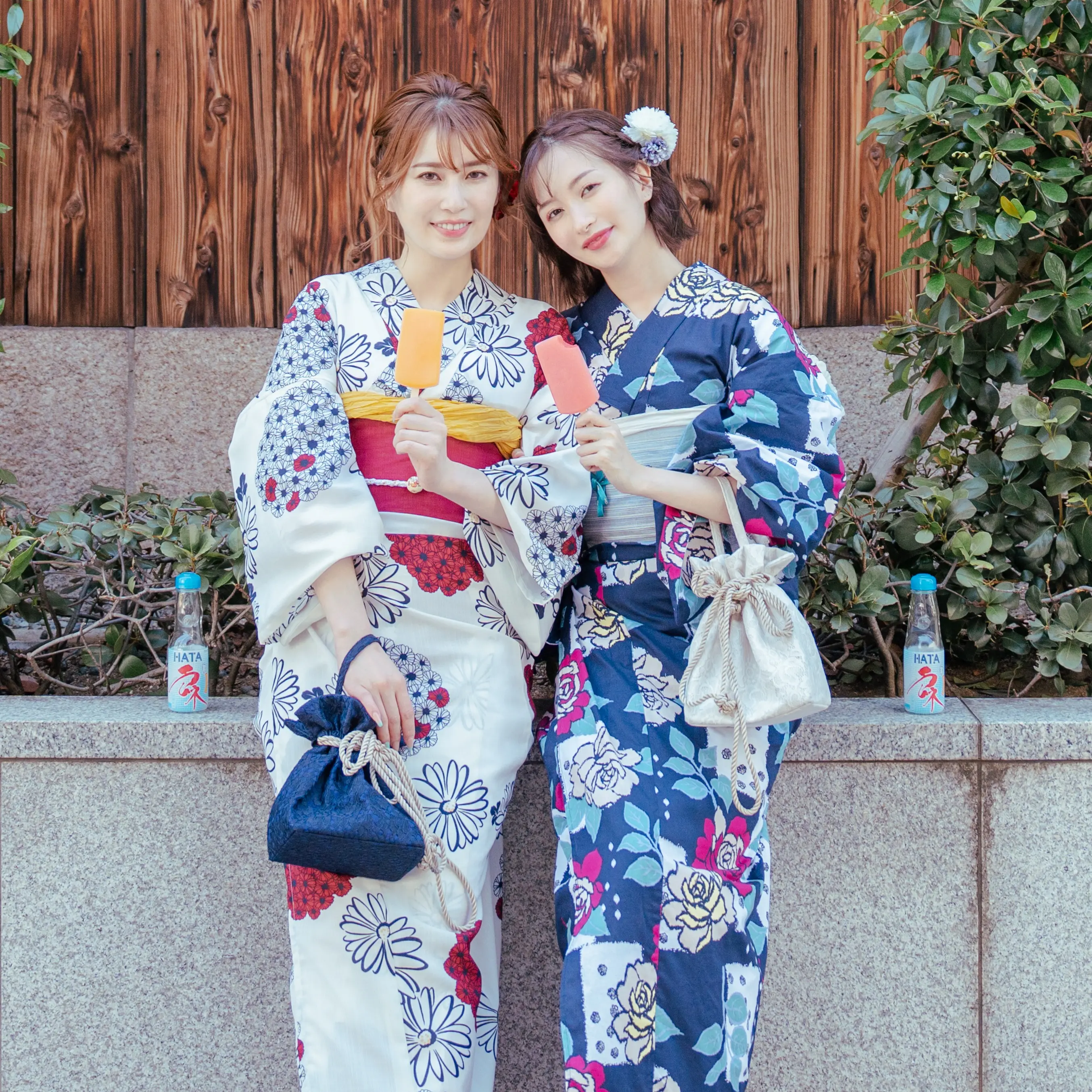
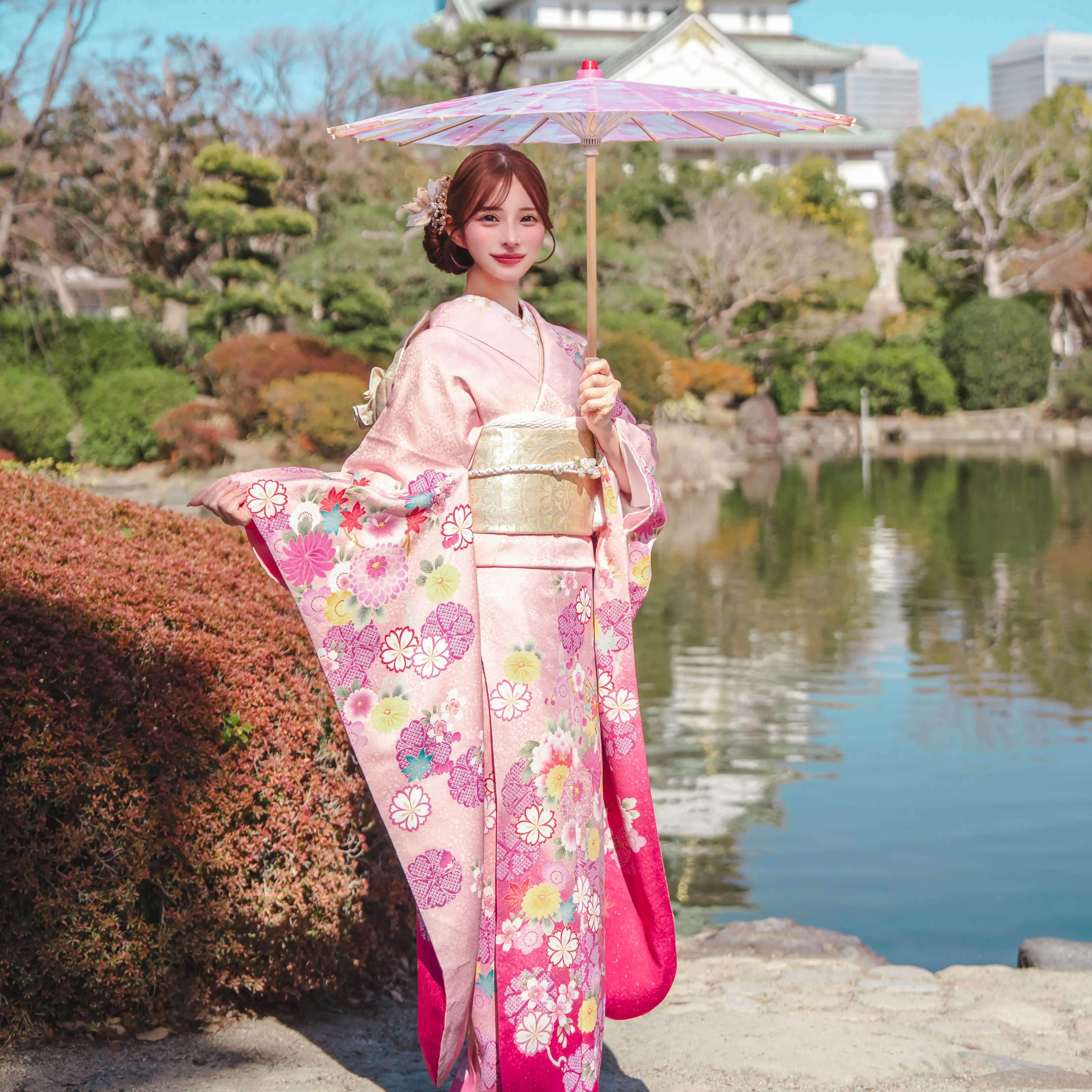
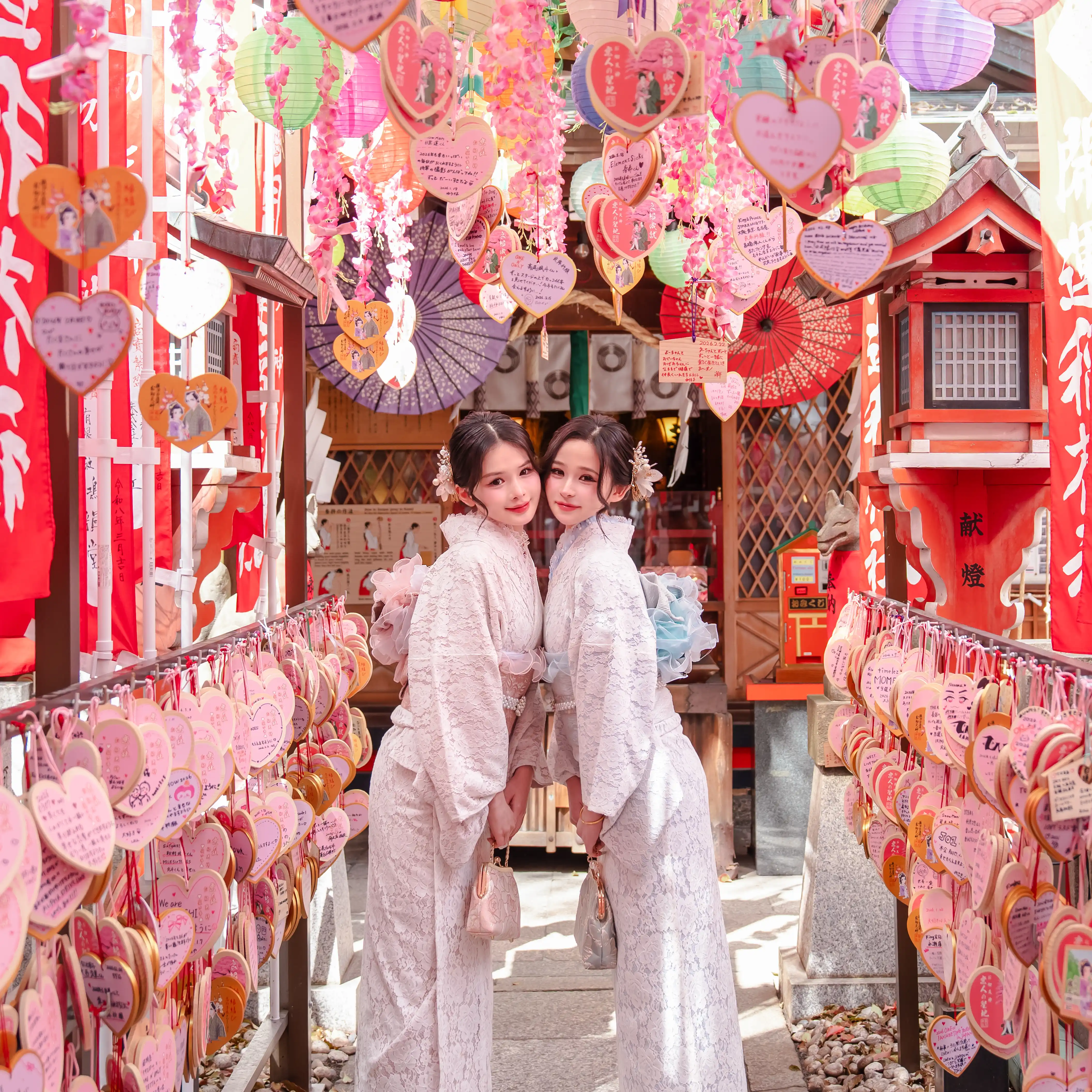
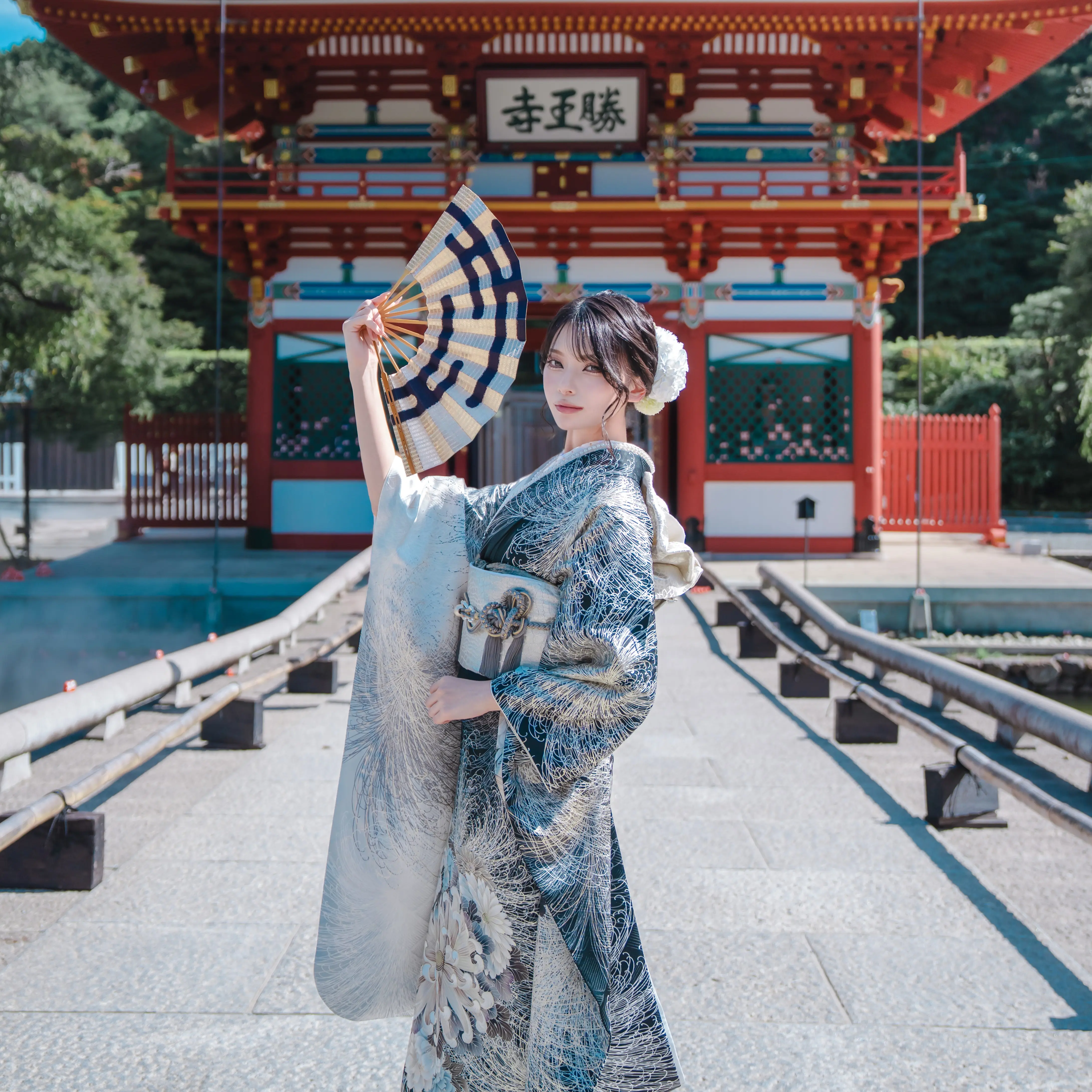
You've probably heard of Dotonbori. But just a few streets away is another name that comes up whenever people talk about eating and drinking in Namba: Ura Namba. Short answer: Ura Namba isn't one famous street or a single attraction. It's a compact area of backstreets packed with small restaurants, izakayas and standing bars, with a noticeably different feel from the bright signs and sightseeing crowds of Dotonbori. Better still, the two areas are close enough to enjoy on the same day. If you're planning to explore Namba in kimono or yukata, here's what Ura Namba is, where to find it, and how to fit an early dinner there into your Osaka day.
What Is Ura Namba in Osaka?
Ura Namba — also written as Ura-Namba or Uranamba — is a food and nightlife area on the eastern side of Namba in Osaka's Minami district. Rather than being built around one landmark, it's known for clusters of smaller restaurants, izakayas and tachinomi, or standing bars.
The area became particularly popular as a bar-hopping destination from around 2010, although the streets themselves are obviously much older. Today, Osaka's official tourism information describes Ura Namba as an area with more than 100 distinctive places to eat and drink, including plenty of casual, reasonably priced spots.
The word ura literally means “back” or “behind,” but don't picture a secret underground neighborhood. Think of it more as the smaller streets behind the better-known face of Namba. That's part of the appeal: you're still right in central Osaka, but the atmosphere can feel very different from the major sightseeing streets nearby.
Where Exactly Is Ura Namba?
This is where first-time visitors sometimes get confused. Ura Namba isn't one street with a clear entrance. You won't arrive at a giant gate saying “Welcome to Ura Namba.” It's an informal name for a wider restaurant and nightlife area.
Osaka's official tourism guide places the area roughly between Sennichimae to the north, Nansan-dori to the south, Kuromon Market to the east and the Takashimaya side of Namba to the west. In practical terms, if you're already sightseeing around Namba, Nipponbashi or Kuromon Market, you're very close.
It's also a short walk from Nankai Namba Station and accessible from Osaka Metro Nipponbashi Station. That makes it easy to add to a day around Minami without spending a large part of your evening on trains.
The best way to understand the area isn't to hunt for one exact photo spot. Walk a little, look down the side streets and pay attention to the restaurants and small entrances around you. Ura Namba is more about the collection of streets than one must-see landmark.
Ura Namba vs. Dotonbori: What's Actually Different?
Dotonbori and Ura Namba are close enough that you don't really need to choose between them. They simply work well for different parts of your day.
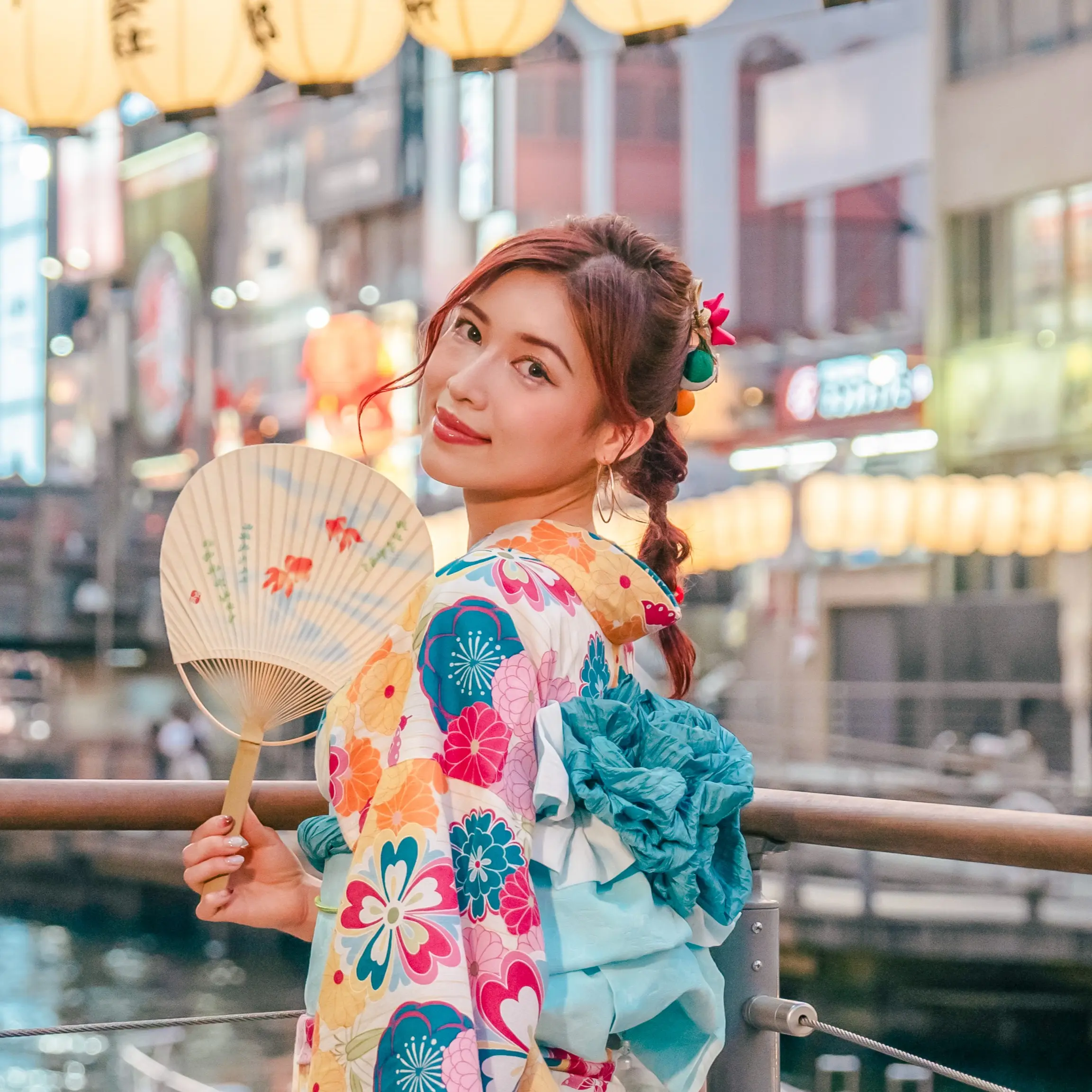
Dotonbori is the place for classic Osaka sightseeing. This is where you'll find the canal, giant signs, bright lights and the kind of Osaka scenery you've probably already seen online. If you're wearing kimono or yukata and want immediately recognizable Osaka photos, it makes sense to spend some time here.
Ura Namba is more about what you do after the sightseeing. Instead of stopping for one famous sign, you explore smaller streets, choose somewhere to eat and settle into the evening atmosphere. Standing bars, counters and compact restaurants are part of the character of the area.
A simple way to think about it is this: Dotonbori is one of the places you go to see Osaka. Ura Namba is somewhere you go to spend an evening in Osaka.
For a kimono day, that difference is useful. You can take your photos around Dotonbori earlier, then switch from sightseeing mode to dinner mode without leaving the Namba area.
Is Ura Namba Worth Adding to a Kimono Day in Osaka?
Yes, especially if you don't want your kimono day to end as soon as you've taken your photos.
One of the advantages of choosing Ura Namba is location. You don't need to travel across the city after walking around Dotonbori, Namba or nearby Hozenji. Instead, you can gradually move toward the eastern side of Namba and turn the final part of your sightseeing day into an early dinner.
It also gives your itinerary a different rhythm. The first half of the day can be about dressing up, walking and taking photos. Later, you can stop trying to fit another attraction into the schedule and simply enjoy Osaka's food culture.
That said, Ura Namba is primarily a restaurant and nightlife area, not a dedicated kimono photo location. If photos are your priority, take them earlier around Dotonbori, Hozenji or another sightseeing spot. Think of Ura Namba as the place where your day slows down afterward.
Can You Eat in Ura Namba While Wearing Kimono or Yukata?
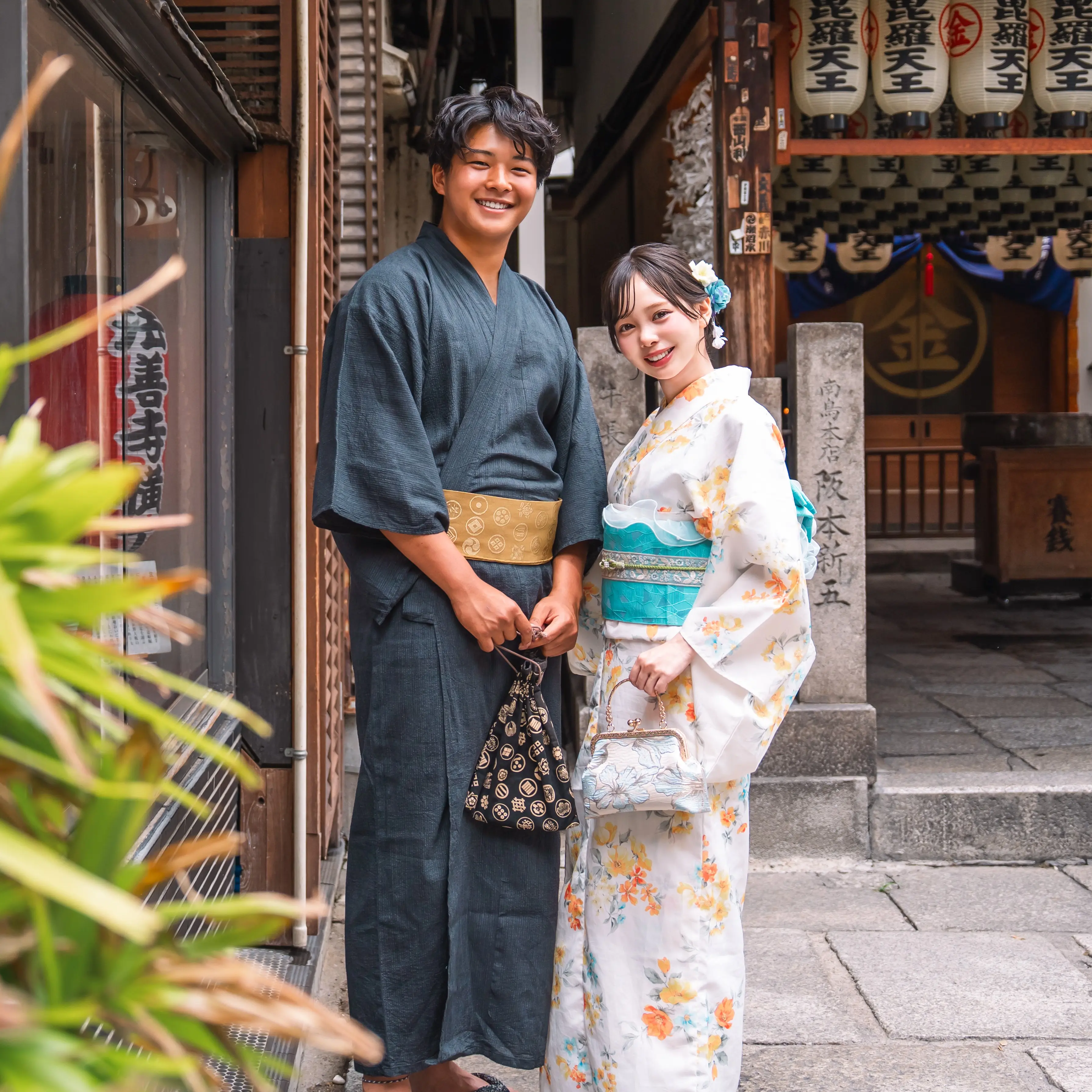
Yes. There's nothing unusual about stopping for food while you're wearing kimono or yukata, and an early meal can fit naturally into a one-day rental. The bigger question is what kind of restaurant will actually be comfortable in what you're wearing.
Kimono sleeves are longer than the sleeves on everyday Western clothing, so pay attention when reaching across a table. Keep the fabric away from sauces, drinks, grills and dishes with a lot of oil. If you're carrying a bag, a compact one is also much easier to manage in a small restaurant than a large sightseeing bag.
Seating matters too. Some Ura Namba restaurants are compact, and the area's famous standing bars aren't necessarily the most relaxing choice after you've already spent several hours walking in traditional clothing.
None of that means you need a fancy restaurant. It simply means that when you're in kimono, comfort, space and the type of food matter a little more than they normally would.
What Kind of Ura Namba Restaurant Works Best in Kimono?
Ura Namba is known for variety, so you don't need to choose a restaurant simply because it's the most famous one you saw online. If you're still wearing your rental, look at the space and style of the restaurant before deciding.
A seated izakaya can be the easiest option. Having your own seat gives you somewhere to settle after sightseeing, and you won't have to stay on your feet for the entire meal.
Counter restaurants can work well too. Just remember that space may be limited. Keep your sleeves controlled when reaching for dishes and avoid bringing more belongings than you need.
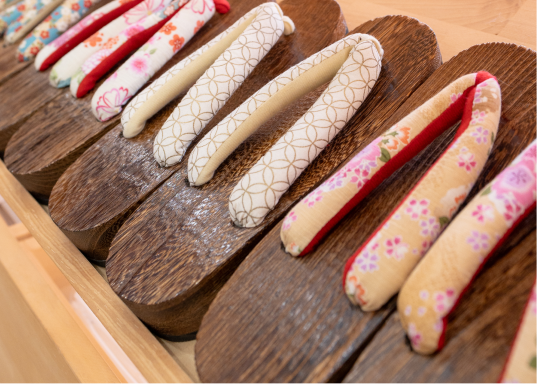
Tachinomi can be fun if you want a short stop. Tachinomi literally means standing drinking, and these casual bars are one of the things Ura Namba is known for. They're great for a quick drink or small dish, but if your feet are already tired from walking in zori or geta, a chair may suddenly seem very attractive.
There's no single “best” restaurant type. The right choice depends on how long you've been out, what you're wearing and what you want to eat.
What Do You Actually Do in Ura Namba?
You don't need a complicated itinerary. In fact, Ura Namba is one of those places where planning every 20 minutes can make the evening less enjoyable.
A typical approach is simple: find one place that looks good, order something to eat, have a drink if you want one, and decide afterward whether you'd like to stay or move somewhere else.
Bar-hopping is part of the area's reputation, but don't turn it into a challenge. You don't need to visit five different places to say you've experienced Ura Namba. One good dinner can be enough.
If you do want to try several places, smaller orders make more sense than eating a full meal at every stop. Eat a little, drink a little, and see where the evening takes you.
Do You Need to Speak Japanese in Ura Namba?
Not necessarily, but don't expect every small restaurant to offer the same level of English support as a large tourist restaurant in Dotonbori.
Some places may have English menus, photos or digital ordering, while others may have mostly Japanese signage. A translation app can help, and pointing to menu items is often enough for simple orders.
It's also useful to keep the experience flexible. A tiny restaurant may simply be full when you arrive. That doesn't mean you've done anything wrong — small counters fill quickly. One of the advantages of being in an area with many restaurants is that you can keep walking and find another option.
If you have allergies, dietary restrictions or ingredients you absolutely need to avoid, prepare a clear Japanese explanation on your phone before choosing a small restaurant. That's much safer than assuming every menu will contain detailed English ingredient information.
Can You Enjoy Ura Namba Without Drinking Alcohol?
Absolutely. Ura Namba is famous for standing bars and bar-hopping, but it's also a major food area with a wide variety of restaurants. You don't have to drink alcohol to have a reason to come here.
If you're mainly interested in dinner, focus on the food rather than building your plan around bars. Osaka's official tourism guide describes the area as home to more than 100 places to eat and drink, covering far more than drinking-only establishments.
Just remember that individual restaurants have their own systems. Some small drinking-focused establishments may expect each guest to order a drink or may have a table charge or small appetizer charge. If you're unsure, checking before sitting down can avoid confusion.
When Is the Best Time to Visit Ura Namba?
Ura Namba starts making the most sense from late afternoon into the evening, when restaurants and bars become the focus of the neighborhood. But there's no single opening time for “Ura Namba” itself — each restaurant keeps its own schedule.
If you're combining the area with a kimono rental, an earlier dinner can be the easiest fit. You can enjoy Dotonbori and nearby sightseeing first, have dinner before the later nightlife crowd builds, then return your rental without turning the end of the day into a race against the clock.
If your main goal is late-night bar-hopping, that's a different plan. In that case, returning your kimono first and coming back to Ura Namba in your regular clothes is often simpler.
Don't Overplan Your Night in Ura Namba
It's tempting to build a list of five restaurants before your trip, but Ura Namba doesn't have to work that way.
If there's one particular restaurant you absolutely want to visit, checking its reservation policy and current opening hours makes sense. But for the rest of the evening, leave some room to change your mind.
Walk around. Look at the menus. See how crowded a place is. If one restaurant has a long wait and another nearby looks inviting, changing plans is part of the experience rather than a failure of your itinerary.
That flexibility is especially useful on a kimono day, when you may spend longer than expected taking photos or simply need a break earlier than planned.
A Simple Kimono Day: Dotonbori, Namba and Ura Namba
You don't need to cross Osaka several times to create a full kimono day. Kawaii Osaka Kimono Rental & Sales is located at 1-9 Soemoncho, Chuo-ku, close to Dotonbori and the wider Namba area, so you can keep the itinerary concentrated around Minami.
A relaxed day could look something like this:
- Start at Kawaii Osaka. Choose your kimono or yukata and get dressed before heading out.
- Take your main photos around Dotonbori. Enjoy the canal, famous Osaka streets and other recognizable Minami scenery while you still have plenty of energy.
- Explore nearby Namba at your own pace. Hozenji and the surrounding streets can be added without committing to a long journey across the city.
- Head toward Ura Namba in the late afternoon. Walk through the area and choose somewhere comfortable for an early dinner.
- Return your rental before the deadline. If you still want more nightlife afterward, change back into your regular clothes and continue the evening without worrying about the rental return time.
The point isn't to follow an exact minute-by-minute schedule. It's to keep the distances sensible so you have enough time for photos, food and the unexpected stops that usually make a travel day more memorable.
Staying Out Late in Ura Namba? Return Your Kimono First
This is one of the most important timing details if Ura Namba is part of your evening.
Kawaii Osaka is currently open from 10:00 AM to 10:00 PM, but the shop's closing time is not the same as the rental return deadline. One-day rentals must be returned by 9:00 PM.
So if your plan is an early dinner, you can enjoy Ura Namba while still wearing your kimono or yukata and then return to the shop. If your goal is a long night of bar-hopping, don't try to squeeze everything in before 9:00 PM.
Return the rental first, change back into your regular clothes, and head out again. Ura Namba is close enough to the Namba area that you don't need to choose between respecting the return deadline and enjoying the nightlife.
That way, your kimono experience stays relaxed — and your night doesn't have to end when the rental does.
Start Your Namba Day at Kawaii Osaka
Kawaii Osaka Kimono Rental & Sales is close to Dotonbori and Namba, making it easy to build a day that moves naturally from sightseeing to dinner rather than spending hours traveling between distant areas.
The 1-Day Rental Plan gives you time to explore throughout the day, take photos around Minami and add an early Ura Namba dinner before returning your outfit by 9:00 PM.
Curious? Check out the plan below.
Book the Kimono Rental 1-Day Plan
FAQ
Q. What is Ura Namba?
A. Ura Namba is a food and nightlife area around the eastern side of Namba in Osaka. It's known for small restaurants, izakayas, standing bars and casual bar-hopping rather than one single sightseeing attraction.
Q. Where is Ura Namba in Osaka?
A. The area is generally found between Sennichimae, Nansan-dori, Kuromon Market and the Takashimaya side of Namba. It's within easy walking distance of major parts of Namba and close to both Nankai Namba and Nipponbashi stations.
Q. Is Ura Namba the same as Dotonbori?
A. No. They're close to each other, but the atmosphere is different. Dotonbori is famous for its canal, signs and major sightseeing scenery, while Ura Namba is better known for smaller restaurants, izakayas and standing bars.
Q. Can I visit Ura Namba while wearing kimono or yukata?
A. Yes. An early dinner can fit nicely into a kimono day around Namba. Choose somewhere that feels comfortable, pay attention to long sleeves around food and drinks, and leave enough time to return your rental.
Q. Is Ura Namba only for drinking?
A. No. Although the area is well known for standing bars and bar-hopping, it also has many restaurants, so you can visit simply for dinner without making alcohol the focus of your evening.
Q. Do I need reservations in Ura Namba?
A. It depends on the restaurant. If there's somewhere specific you don't want to miss, check its current reservation policy in advance. If you're flexible, walking around and choosing a place on the day is also part of the appeal.
Q. What time should I visit Ura Namba?
A. Late afternoon and evening suit the area's food and nightlife atmosphere, although individual restaurants have different opening hours. If you're wearing a Kawaii Osaka one-day rental, an earlier dinner makes it easier to return the outfit by the 9:00 PM deadline.
The Bottom Line
Ura Namba doesn't need to replace Dotonbori on your Osaka itinerary — the two work better together. Spend the daytime enjoying Namba in kimono or yukata, take your classic Osaka photos around Dotonbori, then head into Ura Namba when you're ready to stop sightseeing and start thinking about dinner. Choose a restaurant that works with what you're wearing, keep the 9:00 PM rental return deadline in mind, and if you want to stay out later, simply come back after changing. It's an easy way to turn a few hours of kimono sightseeing into a fuller day in Namba.
 06-6732-8070
  KIMONO RENTAL
SET CONTENT
KIMONO RENTAL
SET CONTENT
 KIMONO RENTAL
HAIR SET/MAKE UP
KIMONO RENTAL
HAIR SET/MAKE UP
 KIMONO RENTAL
Accessories for Kimono & ITEMS
KIMONO RENTAL
Accessories for Kimono & ITEMS
 WAGASA
 KATANA
 LOCATIONSHOOTING