2026.08.17
What Are Geta Shoes? How to Wear Japanese Geta Sandals in Japan
kimono rental
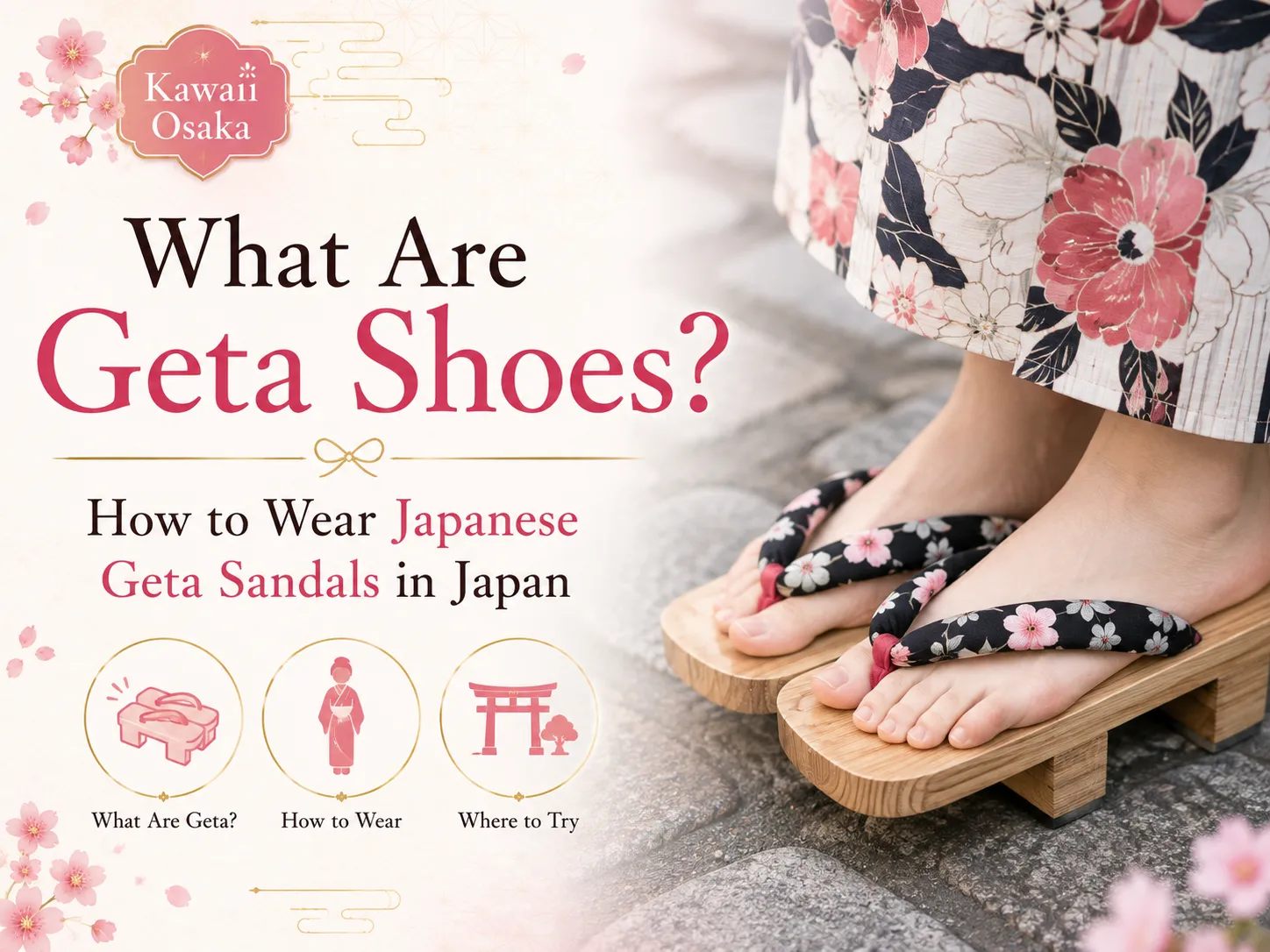
If you've seen people wearing yukata at a summer festival in Japan, you've probably noticed the wooden sandals that make a distinctive sound as they walk. Those are geta, one of Japan's best-known forms of traditional footwear. They look simple, but if you've never worn a pair before, a few questions come up quickly: Are geta comfortable? How should they fit? Do you wear socks with them? And what's the difference between geta and zori? Short answer: geta are traditional Japanese wooden sandals most commonly associated today with casual outfits such as yukata. They're absolutely wearable for travelers, but choosing the right pair and changing the way you walk can make the experience much more comfortable. Here's what to know before you step out in them.
What Are Geta Shoes?
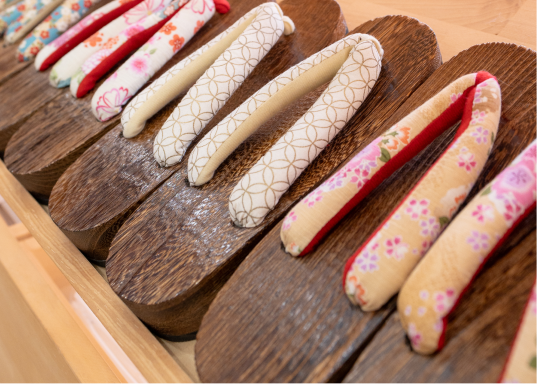
Geta are traditional Japanese footwear built around a wooden base and a fabric thong called a hanao, which sits between the big toe and second toe. Classic geta often have raised wooden supports underneath the base, known as ha, or “teeth.” That raised construction is one of the features that makes traditional geta look so different from modern sandals.
You'll often see English speakers describe them as “geta shoes,” “geta sandals,” or “Japanese wooden sandals.” Technically, sandals is the closer description, since the foot isn't enclosed like it is in a shoe. But if you search for geta shoes online, you're looking at the same traditional Japanese footwear.
Geta developed in many shapes for different uses over time. Today, you'll find everything from recognizable raised wooden styles to lower-profile modern geta designed to feel more familiar underfoot. So don't assume every pair will have the same height, shape, weight, or walking feel.
Geta vs. Zori: What's the Difference?
Geta and zori are both traditional Japanese footwear with a thong-style strap, which makes them easy to confuse at first. The quickest difference to look for is the sole. Geta are associated with a wooden base, while zori are generally flatter and can be made from a wider range of materials.
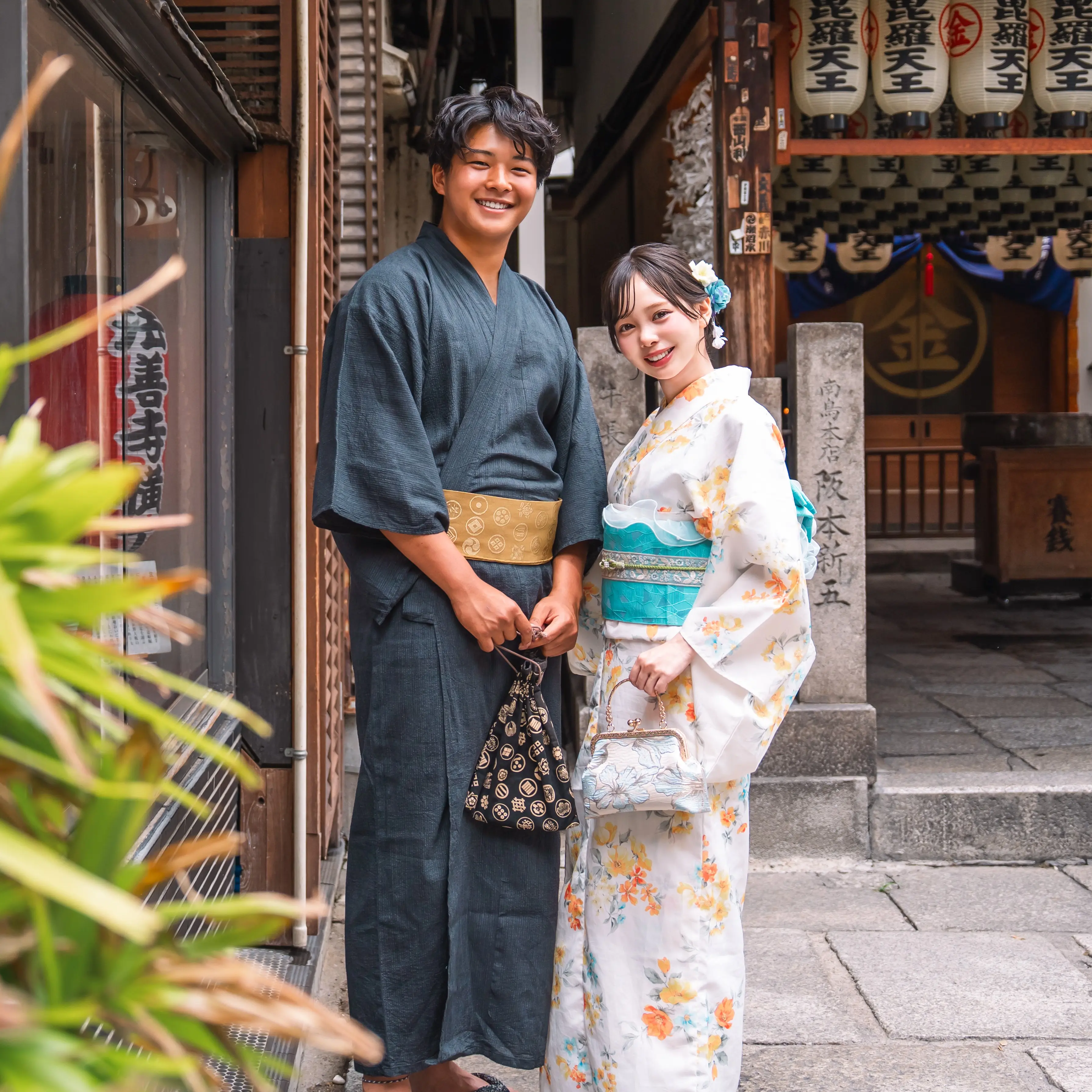
For travelers choosing footwear to match traditional clothing, there's another useful rule of thumb: geta are commonly paired with yukata, while zori are traditionally paired with kimono. Yukata are lighter and more casual, especially popular in summer, so the more casual character of geta works naturally with them.
That doesn't mean Japanese footwear follows one rule in every modern outfit. Styles have evolved, and contemporary designs can blur the traditional lines. But if you're renting or buying a yukata for a summer festival and wondering what footwear people usually picture with it, geta are the classic answer.
Are Geta Comfortable? Here's What First-Time Wearers Should Expect
Geta can be comfortable, but they won't feel like sneakers — and expecting them to is where many first-time wearers go wrong. A wooden base doesn't flex in the same way as a running shoe, and the hanao plays a much bigger role in keeping the sandal connected to your foot.
Comfort also depends heavily on the individual pair. The shape of the wooden base, the height, the softness and position of the hanao, and how well the sandal matches your foot can all change the experience. Some modern geta are specifically shaped around the sole of the foot and use softer or cushioned straps to make longer wear easier.
If this is your first time, don't judge the pair only by how it looks next to your yukata. Walk around in them first. Pay attention to the strap between your toes, whether your foot feels secure, and whether you can take several natural steps without fighting the sandal.
And if your Osaka plans involve several hours of sightseeing, remember that “comfortable for a photo stop” and “comfortable for an afternoon of walking” are two very different tests.
4 Tips for Walking in Geta for the First Time
- Start with shorter steps. Geta move differently from flexible shoes, so there's no need to stretch your stride. A smaller, steadier step usually feels more natural when you're getting used to the wooden base.
- Let your toes work with the hanao. The strap isn't there simply for decoration. Geta are worn with the toes helping to grip and control the footwear as you move.
- Practice before heading into a crowd. Spend a few minutes walking somewhere calm before taking on a busy station, festival entrance, staircase, or packed sightseeing street.
- Don't rush just because everyone else is walking fast. Wet pavement, uneven surfaces, stairs, and unfamiliar footwear are a bad combination when you're hurrying. Give yourself a little more travel time than you would in sneakers.
You don't need to exaggerate your movements or try to imitate a theatrical “traditional” walk. The goal is simply to let your feet adjust to a different type of footwear and find a rhythm that feels stable.
How Should Geta Fit? Don't Judge Them Like Sneakers
One of the most confusing moments for first-time buyers is looking down and thinking, “Are these too small?” Traditional Japanese footwear doesn't always follow the same fit conventions as Western shoes.
With traditional-style geta and zori, allowing the heel to extend slightly beyond the back of the sole — often around 1 to 2 centimeters — can be considered an appropriate way to wear them. But that is not a universal sizing rule for every modern geta. Some contemporary designs are shaped so that the heel should remain within the wooden base.
In other words, don't deliberately buy a smaller pair just because you've heard that “your heel should hang off geta.” Check the design, size guidance, and how the hanao sits on your own foot. The right fit depends on the pair you're actually wearing.
The hanao matters just as much as the length of the base. If it feels painfully tight, rubs immediately, or lets your foot slide around too freely, try another size or another pair rather than assuming discomfort is simply part of wearing geta.
Bare Feet or Tabi Socks? What Do You Wear with Geta?
If you're putting together a classic summer yukata outfit, the simplest answer is bare feet with geta. This is the combination many travelers will see at Japanese summer festivals and fireworks events.
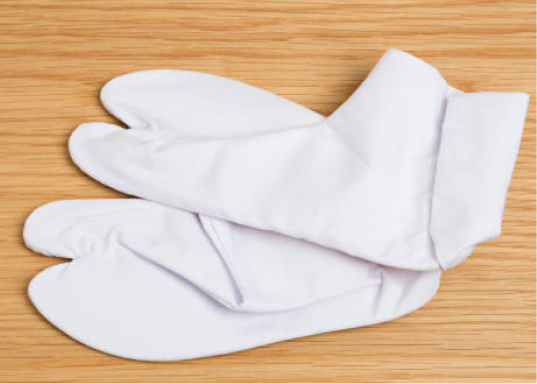
Tabi are traditional split-toe socks designed so that thong-style Japanese footwear can fit between the big toe and second toe. You'll often see tabi as part of kimono styling, particularly with zori and more formal outfits.
For a casual yukata look, however, you don't need to add tabi just because you're wearing traditional Japanese clothing. If you're unsure, treat the whole outfit as one combination rather than choosing the garment, socks, and footwear separately.
Which Geta Should You Choose for Sightseeing?
There are many types of geta, but travelers don't necessarily need to memorize every traditional name before choosing a pair. A more useful approach is to start with what you actually plan to do while wearing them.
For the traditional look: A recognizable wooden geta shape works beautifully with yukata and immediately creates the classic summer-festival silhouette many visitors have in mind.
For more walking: Look at the stability of the base, the heel height, and how the hanao feels. Lower or more contemporary designs may feel easier to manage if you're new to wooden footwear.
For photos: Think about the complete outfit. The color and pattern of the hanao can either blend with your yukata or become a small accent that ties the whole look together.
For a full travel day: Choose with your actual route in mind. Stations, stairs, long shopping streets, summer heat, and several hours on your feet matter more than they do during a short photo session.
Can You Sightsee Around Osaka in Geta?
Yes — but your route matters. A relaxed yukata walk around Namba and Dotonbori is very different from trying to cross half of Osaka on foot.
If you're wearing geta for the first time, build your day around shorter walking sections. Dotonbori, Namba, and nearby streets give you plenty of opportunities for photos and sightseeing without turning traditional footwear into an endurance test.
Hozenji Yokocho is another nearby option if you want a more traditional-looking setting, but its stone pavement is exactly the kind of surface where slowing down makes sense. Crowded streets, stairs, rain, and wet pavement are also good reasons to prioritize stable steps over speed.
The easiest mistake is planning your day in sneakers and then assuming the same schedule will feel identical in geta. If the footwear is part of the experience, give yourself enough time to enjoy it.
Buying Geta in Osaka: What Should You Check First?
Buying geta in Japan can turn a practical part of your yukata outfit into a souvenir you can actually wear again. But choosing only by color is risky, especially if you plan to walk in them immediately.
Before deciding on a pair, check:
- The fit. Check where your heel sits and follow the sizing guidance for that particular design.
- The hanao. Make sure the strap feels secure without creating obvious pressure or rubbing as soon as you walk.
- The height and shape. A dramatic traditional silhouette may feel very different from a lower modern design.
- Your walking plan. A pair for a summer festival or short photo walk doesn't have to meet the same needs as footwear for several hours of sightseeing.
- Your yukata. Look at the entire outfit together. The geta should work with the colors and overall style you're actually wearing, not just look good on a shelf.
If possible, take a few careful steps before making your final choice. Small differences in strap position and base shape can feel much bigger once you're standing in the sandals.
Choosing Geta with Your Yukata at Kawaii Osaka
If you're already shopping for yukata in Osaka, choosing the footwear at the same time makes the process much easier. Instead of guessing whether a color or style will work, you can think about the full outfit together.
Kawaii Osaka Kimono Rental & Sales, located at 1-9 Soemoncho in central Osaka, has a dedicated ZOURI・GETA product category alongside its kimono, yukata, obi, and other traditional clothing items. The shop's current guidance pairs zori with kimono and geta with yukata, making the footwear section a natural place to look when you're building a summer outfit.
Stock, sizes, colors, and individual designs can change, so check what's currently available rather than planning your entire outfit around one specific pair before you arrive.
Curious? Browse the current footwear category below.
Browse Zori & Geta at Kawaii Osaka
FAQ
Q. What are geta sandals used for?
A. Geta are traditional Japanese wooden footwear. Today, they're especially familiar as footwear worn with casual traditional clothing such as yukata, including at summer festivals and fireworks events.
Q. Are geta shoes comfortable for walking?
A. They can be, but the experience depends on the design and fit. Geta have a wooden base and move differently from sneakers, so first-time wearers should pay particular attention to the hanao, stability, heel position, and how long they plan to walk.
Q. What's the difference between geta and zori?
A. Geta are associated with a wooden base and are commonly paired with casual yukata. Zori are generally flatter and are traditionally associated with kimono, including more formal styling.
Q. Do you wear socks with geta?
A. When geta are worn with a casual summer yukata, they're commonly worn barefoot. Tabi split-toe socks are more familiar in kimono outfits worn with zori, although styling can vary.
Q. Should your heel hang off the back of geta?
A. With traditional-style geta and zori, the heel may extend slightly beyond the back of the sole. However, some modern geta are designed to fit differently, so always follow the sizing guidance for the pair you're choosing rather than intentionally buying a smaller size.
Q. Can both men and women wear geta?
A. Yes. Geta are available in styles and sizes for different wearers. Men's traditional footwear also includes setta, which are commonly seen with men's kimono and other Japanese clothing.
The Bottom Line
Geta shoes are one of the most recognizable pieces of traditional Japanese footwear, but wearing them is more interesting than simply putting on a pair of wooden sandals. The hanao, the shape of the base, the fit, and even the way you walk all affect how they feel. If you're planning to wear yukata in Osaka, choose your geta for the day you're actually going to have — whether that's a short Dotonbori photo walk, a summer festival, or several hours of sightseeing. Find a pair that feels comfortable, let yourself slow down a little, and even the sound of your footsteps can become part of the experience.

 06-6732-8070
  KIMONO RENTAL
SET CONTENT
KIMONO RENTAL
SET CONTENT
 KIMONO RENTAL
HAIR SET/MAKE UP
KIMONO RENTAL
HAIR SET/MAKE UP
 KIMONO RENTAL
Accessories for Kimono & ITEMS
KIMONO RENTAL
Accessories for Kimono & ITEMS
 WAGASA
 KATANA
 LOCATIONSHOOTING