2026.07.24
Bunraku in Osaka 2026: What to Expect at the National Bunraku Theatre Near Dotonbori
kimono rental
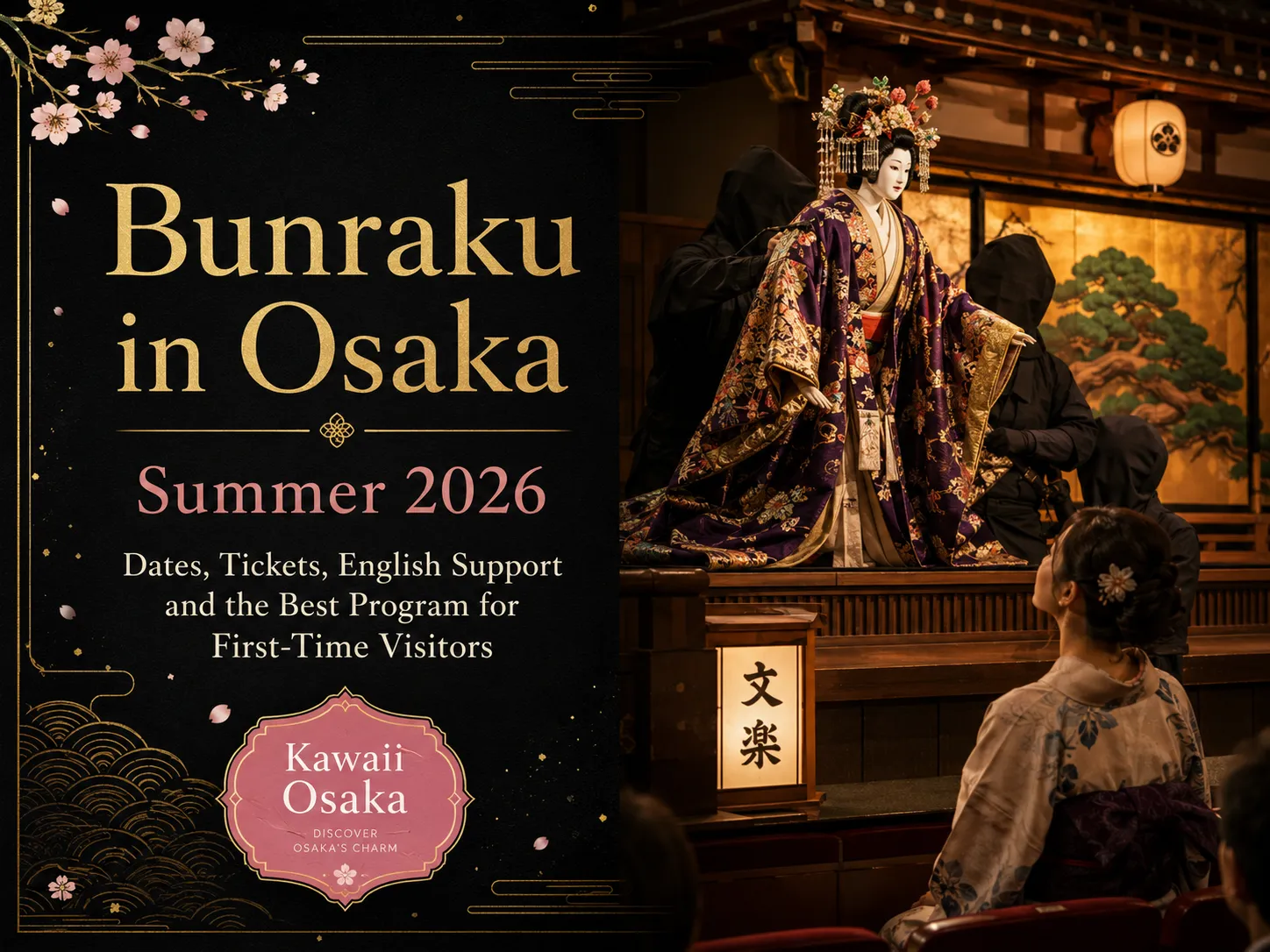
Bunraku in Osaka, Summer 2026: Dates, Tickets, English Support and the Best Program for First-Time Visitors
Visiting Bunraku for the first time and do not speak much Japanese? Part 2 is the easiest Summer 2026 program to follow because it is the only one with an English audio guide.
Part 1 is shorter and begins with an introduction to Bunraku, while the evening Bunraku Summer Festival features “Machi no Hi,” a new Bunraku production based on Charlie Chaplin’s “City Lights.”
The summer performances run from July 18 to August 9, 2026, with no performances on July 23 or July 31. A free English synopsis is available for all three programs, but the running times, ticket prices and level of English support are different.
For most first-time international visitors, Part 2 offers the best balance of English support and a full classical Bunraku experience. It is also the easiest program to combine with a daytime yukata rental at Kawaii Osaka.
View the official Summer 2026 Bunraku performance information
Which Summer 2026 Bunraku Program Should You Choose?
The National Bunraku Theatre presents three programs on most performance days during the summer season.
Choose Part 1 when you want the shortest program, are attending with children or would like a short introduction before the main story.
Choose Part 2 when English-language support is your priority or you want to experience a longer program of classical Bunraku.
Choose the Bunraku Summer Festival when you prefer an evening performance or are interested in seeing how Charlie Chaplin’s “City Lights” has been reimagined through Bunraku.
Part 1: Summer Vacation Bunraku Performance
- Time: 11:00 AM–1:00 PM
- Approximate length: Two hours
- Adult ticket: ¥5,000
- Student ticket: ¥2,500
- Child ticket: ¥2,000 for visitors aged 18 and under
- English support: Free English synopsis
- English audio guide: Not available
- Best for: Families, visitors with limited time and first-time guests who want a basic introduction to Bunraku
Part 1 begins with an introduction to Bunraku before presenting “Yuki wa Konkon Sugata no Mizuumi,” officially translated as “The Kind Hunter and the Female Fox.” The program includes the scenes “Mt. Kon in Autumn” and “Genza’s House.”
The introductory section makes Part 1 suitable for first-time visitors, but the official schedule does not list an English audio guide for this program. Read the free English synopsis before the performance so that you can recognize the main characters and follow the plot more easily.
At approximately two hours, Part 1 is the shortest of the three programs. It is a practical choice for families or travelers who want to continue sightseeing in Nippombashi, Namba or Dotonbori during the afternoon.
However, Part 1 is not the easiest program to attend in a yukata rented that morning. Kawaii Osaka opens at 10:00 AM, while the performance begins at 11:00 AM. This leaves little time for check-in, outfit selection, dressing, optional hair styling, walking to the theatre and collecting your ticket.
A more comfortable option is to attend Part 1 in your regular clothes and visit Kawaii Osaka for a yukata rental afterward.
Part 2: Summer Vacation Bunraku Performance
- Time: 1:45 PM–5:20 PM
- Approximate length: Three hours and 35 minutes
- Adult ticket: ¥6,700
- Student ticket: ¥4,600
- English support: Free English synopsis
- English audio guide: ¥800 with a regular ticket or ¥500 with a single-act ticket
- Best for: First-time international visitors who want the strongest English support and a fuller classical Bunraku experience
Part 2 is the best overall choice for most first-time international visitors. It is the only Summer 2026 program for which the official schedule confirms English commentary through the Audio Guide service.
The program includes “Gempei Nunobiki no Taki,” officially translated as “The White Banner of the Genji Clan,” and “Koimusume Mukashihachijo,” translated as “The Story of Okoma and Saizaburo.”
The first work includes the scene “Kurosuke’s House.” The second includes “The Shirokiya Lumber Shop” and “The Suzugamori Execution Grounds.”
The full program is considerably longer than Part 1, so treat Bunraku as the main activity of your afternoon rather than a short stop between other attractions.
The English audio guide provides real-time commentary during the performance. It is still worth reading the free English synopsis beforehand, as knowing the characters and central conflict will make it easier to connect the narration, shamisen music and movement of the puppets.
Part 2 is also the easiest program to combine with a Kawaii Osaka yukata rental. A morning or late-morning rental appointment leaves more time for dressing, lunch, photographs and travel to the theatre before the 1:45 PM curtain.
Bunraku Summer Festival: An Evening Program Featuring “City Lights”
- Time: 6:00 PM–8:25 PM
- Approximate length: Two hours and 25 minutes
- Adult ticket: ¥6,000
- Student ticket: ¥4,200
- English support: Free English synopsis
- English audio guide: Not listed for this program
- Best for: Visitors who need an evening performance or are interested in Charlie Chaplin and contemporary approaches to Bunraku
The Bunraku Summer Festival begins with “Kotobuki Hashiradate Manzai,” translated as “The Manzai Ceremonial Dance.” It is followed by “Machi no Hi,” a new Bunraku production based on Charlie Chaplin’s “City Lights.”
The production was created in cooperation with the Chaplin Society of Japan. It brings an internationally familiar story into a performance style built around Japanese narration, shamisen music and three-person puppetry.
Eugene Chaplin, Charlie Chaplin’s son, attended the opening performance on July 18. In an official theatre report, he commented on the beauty of the traditional music and the way the three puppeteers made the figures appear alive.
Read the official report about Eugene Chaplin’s visit
Knowing the basic story of “City Lights” before the performance can help you recognize how its characters and emotional structure have been adapted for Bunraku.
The Festival is convenient for travelers who already have daytime plans in Osaka. However, the official program lists a free English synopsis but does not list an English audio guide. Choose Part 2 instead when detailed English commentary is more important than an evening schedule.
The published ending time of 8:25 PM is an estimate and may change. Avoid making dinner, transportation or rental-return plans that require you to leave the theatre at exactly that time.
Can You Enjoy Bunraku Without Speaking Japanese?
Yes. You will not understand every spoken line, but Bunraku communicates through three elements working together:
- The voice and performance of the tayū narrator
- The sound and rhythm of the shamisen
- The detailed movement of the puppets
Even without Japanese, you can recognize changes in mood, relationships between characters and moments of danger, humor, grief or hesitation. Small movements of the puppet’s head, hands and body often communicate emotions without relying on spoken language.
Read the English Synopsis Before the Performance
A free English synopsis is available for all three Summer 2026 programs. Read it before the performance begins rather than trying to understand the story after it is already underway.
Focus on:
- The names and relationships of the main characters
- The main conflict or problem
- The location of each scene
- The decision each character is trying to make
- The approximate order of the major events
During the performance, do not try to translate every sentence. Use the synopsis as a map and watch how the performers express each stage of the story.
How the English Audio Guide Helps
Part 2 offers an English audio guide for ¥800 with a regular ticket and ¥500 with a single-act ticket.
The guide provides useful context while allowing you to keep watching the stage. It is especially helpful when characters enter, the setting changes or an important action is difficult to understand through movement alone.
For Part 1 and the Bunraku Summer Festival, prepare by reading the English synopsis carefully. For “Machi no Hi,” knowing the outline of Charlie Chaplin’s “City Lights” provides an additional reference point.
Do the Visible Puppeteers Make Bunraku Difficult to Watch?
Seeing the puppeteers on stage may feel unusual at first. Bunraku does not normally hide all of the people operating the puppets.
After a few minutes, most viewers naturally begin to focus on the puppet’s expressions, hands, posture and movements. The puppeteers become part of the performance rather than a distraction from it.
How to Buy Bunraku Tickets
Tickets can be purchased online, by telephone or at the National Bunraku Theatre Ticket Office. Seat availability varies by date and program, so select your preferred performance before checking the remaining seats.
Online Booking
The official English Online Booking Service accepts credit cards. Tickets booked online for the National Bunraku Theatre must be collected from the theatre’s Ticket Office.
Bring the information required to identify your reservation and allow enough time to collect your ticket before the performance.
Check remaining seats and buy tickets through the official English booking service
Telephone Booking
International visitors can contact the National Theatre Ticket Centre at:
- Telephone: +81-3-3230-3000
- Service hours: 10:00 AM–6:00 PM Japan Standard Time
- Languages: Japanese and English
Check the time difference before calling from outside Japan.
National Bunraku Theatre Ticket Office
The Ticket Office is located on the first floor of the National Bunraku Theatre and is generally open from 10:00 AM to 6:00 PM.
Same-day tickets are sold only when seats remain. Book in advance when a particular date or program is important to your Osaka itinerary.
Tickets generally cannot be exchanged or refunded after purchase. Confirm the date, curtain time and program before completing your booking.
Can You Buy a Single-Act Bunraku Ticket?
Part 2 also offers single-act tickets for visitors who want a shorter introduction to Bunraku without attending the full afternoon program.
Act A
- Program: “Gempei Nunobiki no Taki”
- Doors open: 1:15 PM
- Curtain time: 1:45 PM
- Estimated ending time: 3:25 PM
- Price: ¥3,500
Act B
- Program: “Koimusume Mukashihachijo”
- Doors open: 3:25 PM
- Curtain time: 3:40 PM
- Estimated ending time: 5:20 PM
- Price: ¥3,500
A single-act ticket allows you to watch one act from the Part 2 program. It should not be understood as a ticket for the complete afternoon program or for every scene in a longer classical work.
Single-act seating is limited to approximately 40 seats for each act. Single-act tickets are not provided on August 1 or August 2, and discounts do not apply.
The English audio guide costs ¥500 with a single-act ticket. This makes a single act of Part 2 a practical choice for visitors who want English commentary but cannot attend the full three-hour-and-35-minute program.
Arrive with extra time, particularly when attending Act B. The start time may change if the previous act ends later than expected.
View the official Summer 2026 single-act schedule and conditions
How to Get to the National Bunraku Theatre
The National Bunraku Theatre is located at:
1-12-10 Nippombashi, Chuo-ku, Osaka 542-0073
The nearest stations are Nippombashi Station on the Osaka Metro and Kintetsu-Nippombashi Station on the Kintetsu Nara Line.
- Osaka Metro Sakaisuji Line: Nippombashi Station, Exit 7
- Osaka Metro Sennichimae Line: Nippombashi Station, Exit 7
- Kintetsu Nara Line: Kintetsu-Nippombashi Station, Exit 7
- Walking time: Approximately one minute from Exit 7
Travelers who need a step-free route should note that the theatre’s main access page specifically identifies a lift at Exit 10. Allow extra time inside the station, as the step-free route may not follow the shortest underground path.
The theatre does not have a public parking lot. Public transportation is the simplest option for most visitors.
Wheelchair spaces are available. Contact the Ticket Office before purchasing when you need a wheelchair space or assistance with seating.
Check the official National Bunraku Theatre access and facility information
What Should First-Time Bunraku Visitors Expect?
Bunraku is not simply a puppet show for children. It is a sophisticated theatrical form that combines dramatic narration, shamisen music, puppetry, costumes and detailed storytelling.
The stories may include family conflict, loyalty, romance, sacrifice, humor, separation and difficult personal decisions. The emotional tone can change quickly, even within a single scene.
The Tayū Narrator
The tayū performs the narration and dialogue. A single tayū may describe the setting, explain the action and voice several different characters.
Listen for changes in volume, speed, breathing and vocal texture. These changes help distinguish the characters and communicate emotional shifts even when you do not understand the Japanese words.
The Shamisen Player
The shamisen is a three-stringed instrument, but it does much more than provide background music.
Its rhythm and tone can create tension, mark a change in the story, support a character’s emotion or draw attention to a small movement on stage.
The Three Puppeteers
Major Bunraku puppets are generally operated by three performers:
- Main puppeteer: Controls the head and right hand while supporting the body
- Left-hand puppeteer: Controls the left hand
- Foot puppeteer: Controls the feet and lower-body movement
The three performers coordinate without speaking. Their combined technique allows the puppet to walk, kneel, turn, hesitate, react or appear to breathe with remarkable precision.
The main puppeteer’s face may be visible, while the other puppeteers often wear black clothing and cover their faces. Rather than waiting for the puppeteers to disappear from your awareness, watch how their coordinated movements create the impression that the puppet has its own thoughts and emotions.
Visit the Free Exhibition Room
The National Bunraku Theatre has a free exhibition room on the first floor.
During the Summer 2026 performance period, the theatre is holding an exhibition about the different heads used for Bunraku puppets. The exhibition runs from July 18 to September 23, 2026, and is scheduled to open from 10:00 AM to 6:00 PM.
No performance ticket is required to enter the exhibition.
View the current National Bunraku Theatre exhibition information
How Early Should You Arrive?
A practical target for first-time visitors is to arrive approximately 30 minutes before the curtain time.
This is a planning recommendation rather than an official admission rule, but it gives you time to:
- Collect an online ticket
- Find the correct entrance and seat
- Obtain and read the English synopsis
- Arrange an English audio guide for Part 2
- Use the restroom
- Visit the exhibition room when time permits
The official ending times are estimates and may change. Avoid placing another reservation immediately after the published ending time.
- Part 1: Do not book lunch for exactly 1:00 PM.
- Part 2: Avoid a dinner reservation immediately after 5:20 PM.
- Summer Festival: Do not make plans that require you to leave at exactly 8:25 PM.
How to Plan Your Bunraku Day in Summer
Set the performance time first and arrange sightseeing, meals and shopping around it. A Bunraku ticket has a fixed curtain time, while most other activities in Namba and Dotonbori are more flexible.
Part 1
Part 1 works well with afternoon sightseeing in Nippombashi, Kuromon Market, Namba or Dotonbori. Eat lunch after the performance, but leave some flexibility in case the program finishes later than the estimated 1:00 PM ending time.
Part 2
Treat Part 2 as the main activity of the afternoon. Eat before entering the theatre and plan a flexible dinner after the performance.
Bunraku Summer Festival
The evening Festival can follow daytime sightseeing, but take an indoor break before the 6:00 PM curtain. Arriving already tired can make it harder to concentrate during the two-hour-and-25-minute performance.
Allow Extra Time for Osaka’s Summer Heat
Osaka summers are hot and humid. Even a short outdoor walk can feel tiring when you are carrying bags or wearing layered clothing.
Before entering the theatre:
- Drink water
- Allow time to cool down
- Use the restroom
- Check your ticket or reservation information
- Read the English synopsis
Crowds, traffic lights, station exits and the summer heat can all slow you down. Do not estimate your travel time only from the distance shown on a map.
Can You Combine Bunraku with a Yukata Rental?
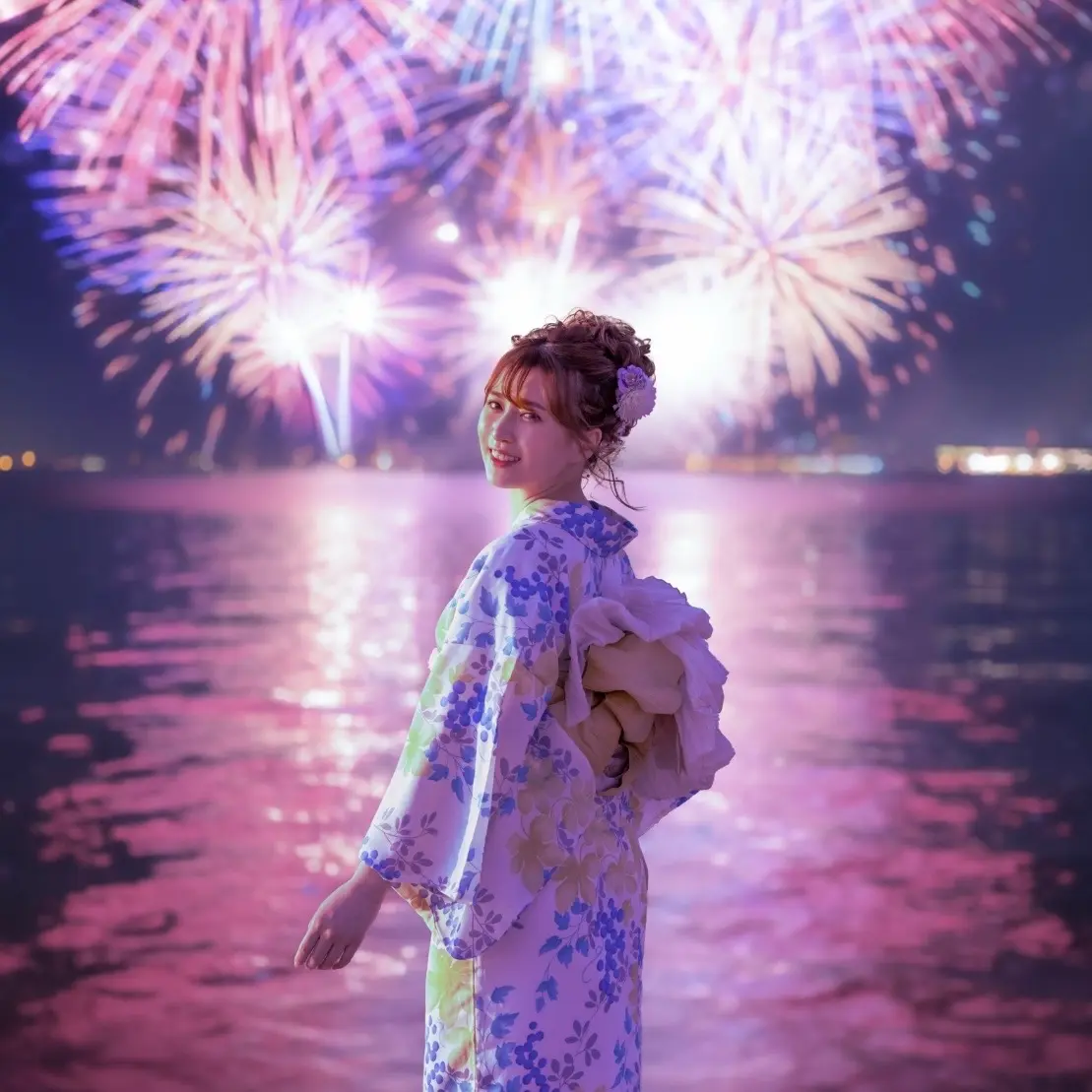
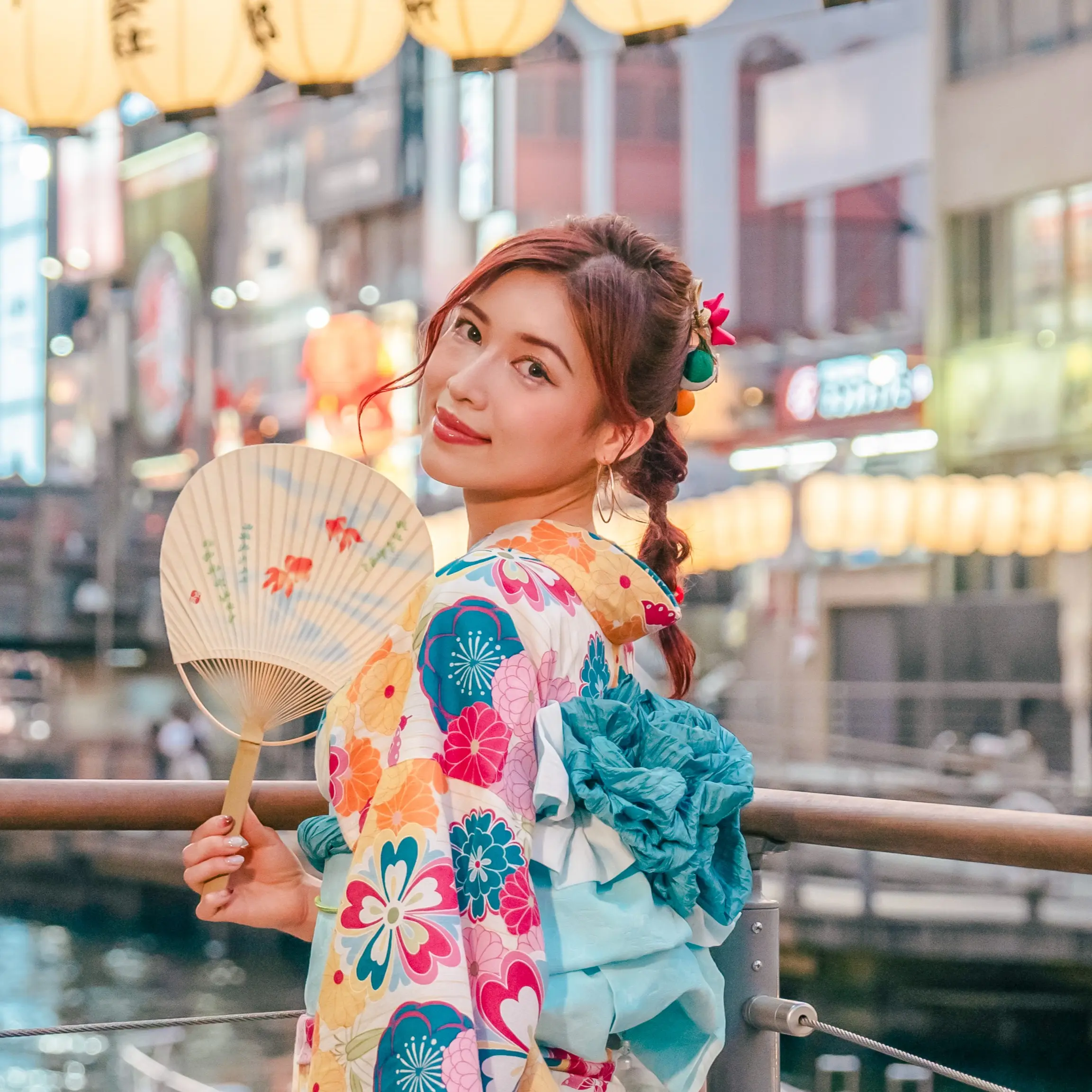
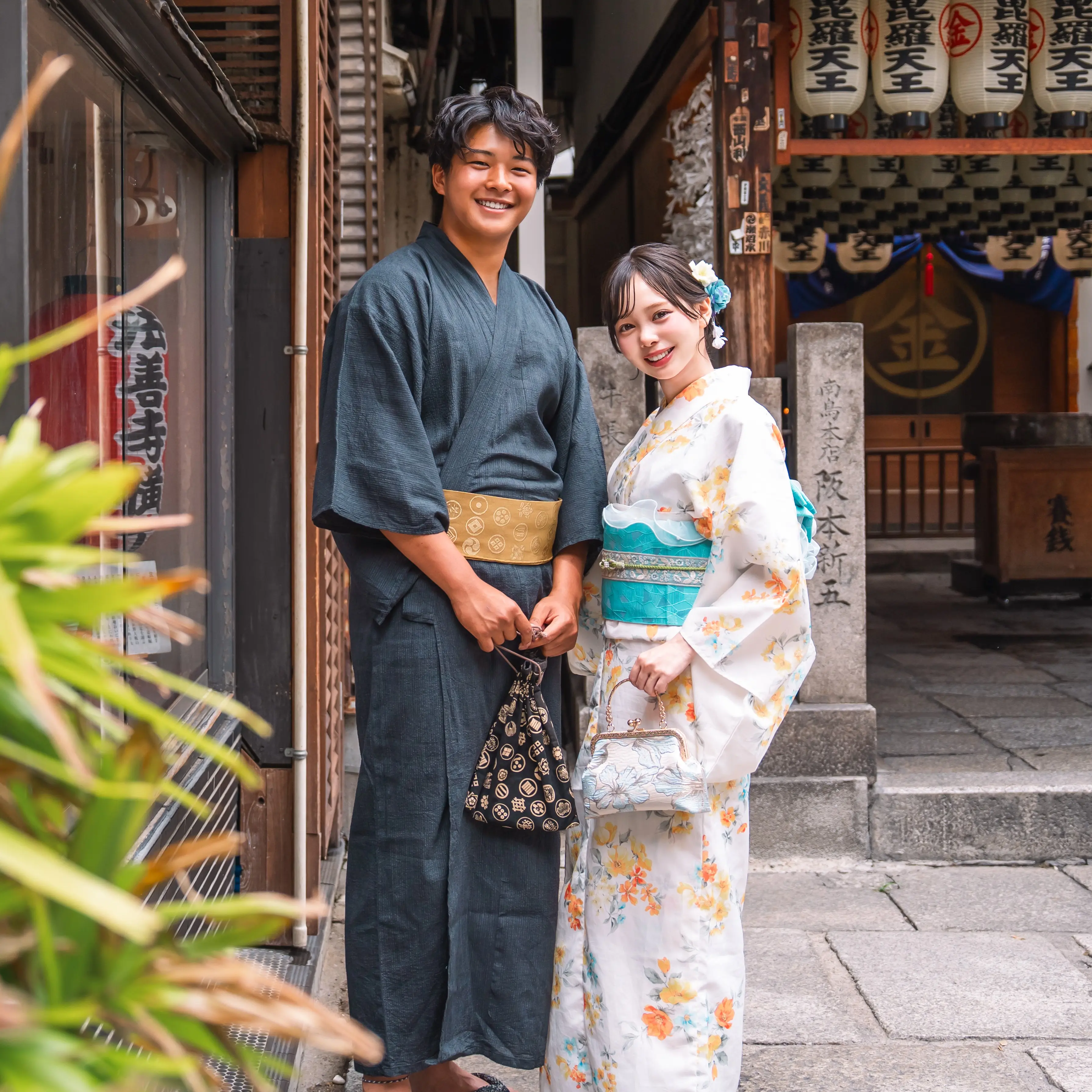
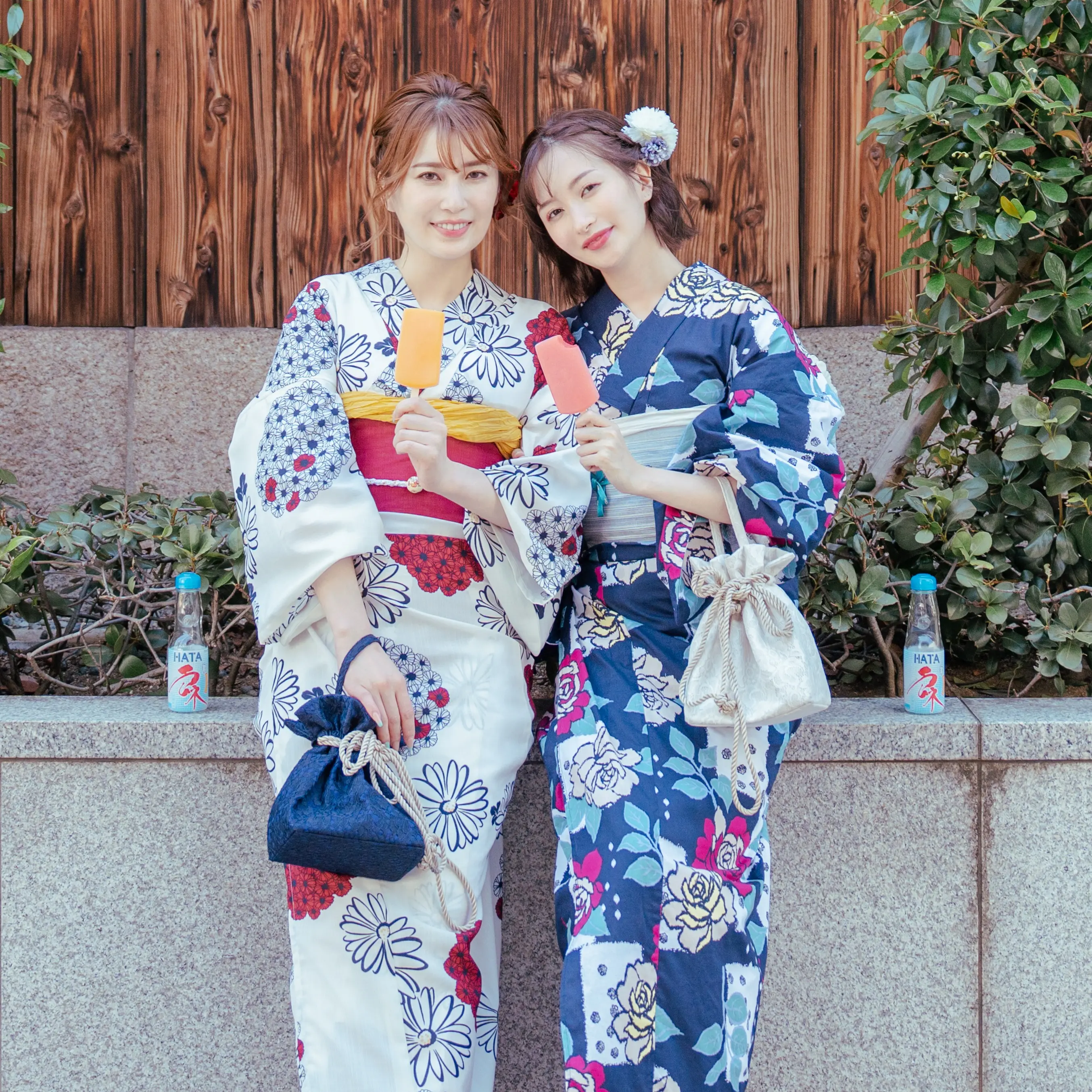
Yes. Watching traditional Japanese theatre in a yukata can turn the day into a wider cultural experience, especially when you also plan photographs or a walk through Nippombashi, Namba and Dotonbori.
Kawaii Osaka Kimono Rental & Sales and the National Bunraku Theatre are within walking distance of each other in central Osaka.
During summer, Kawaii Osaka offers an adult one-day yukata plan from ¥5,500, including tax.
- Kawaii Osaka business hours: 10:00 AM–10:00 PM
- Standard one-day return deadline: 9:00 PM
- Adult one-day yukata plan: From ¥5,500, including tax
The 10:00 PM closing time is not the same as the rental return deadline. Standard one-day rentals must normally be returned by 9:00 PM.
Part 2 Is the Easiest Program to Combine with a Yukata Rental
Part 2 begins at 1:45 PM, which gives you more time for check-in, outfit selection, professional dressing, optional hair styling and lunch before traveling to the theatre.
A possible schedule is:
- 10:30 AM or 11:00 AM: Arrive at Kawaii Osaka for a confirmed appointment
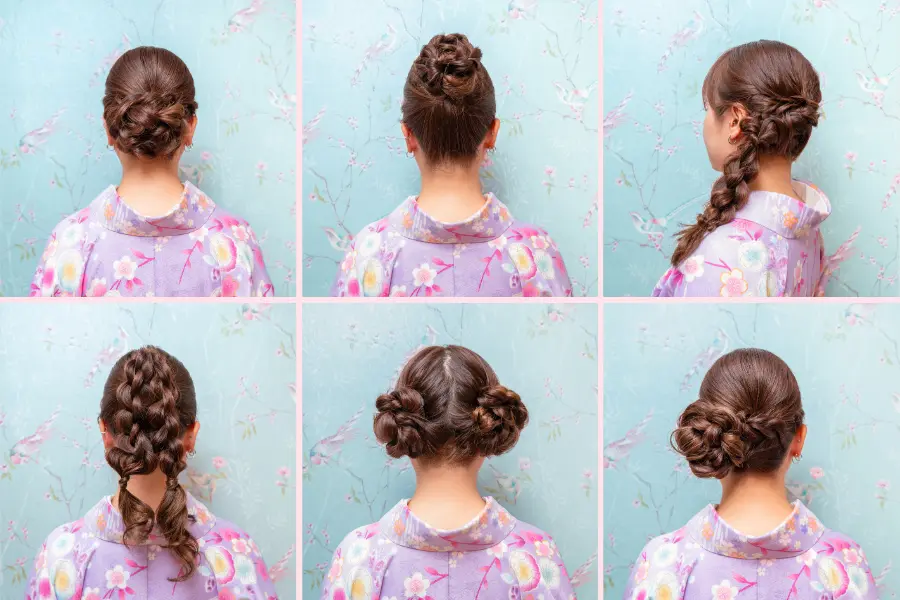
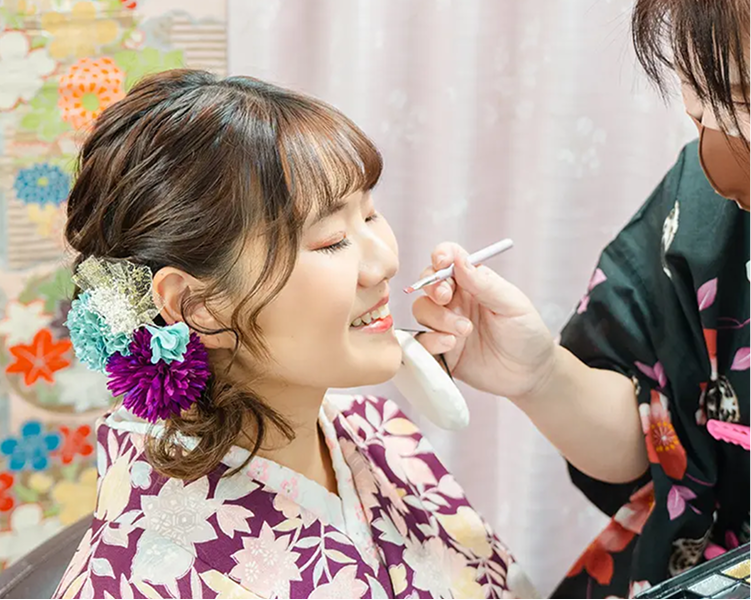
- Late morning: Choose a yukata and obi, complete dressing and add optional hair styling
- Before 1:00 PM: Eat a light lunch or take photographs near Namba and Dotonbori
- By approximately 1:15 PM: Arrive at the National Bunraku Theatre
- 1:45 PM: Part 2 begins
- 5:20 PM: Estimated ending time
- Early evening: Take photographs, eat or walk around Namba and Dotonbori
- Before 9:00 PM: Return the yukata to Kawaii Osaka
This is a planning example, not a guaranteed dressing schedule. Preparation time varies depending on your group size, how quickly you choose an outfit, the selected plan, optional services and appointment availability.
Confirm your rental appointment and preparation time before finalizing the rest of your itinerary.
Part 1 Is Difficult to Attend in a Newly Rented Yukata
Kawaii Osaka opens at 10:00 AM and Part 1 begins at 11:00 AM. Arriving at the theatre 30 minutes early would require you to leave for the theatre at around 10:30 AM.
That is generally not enough time for check-in, yukata selection, dressing, optional hair styling, travel and ticket collection.
Unless the shop has specifically confirmed that your requested schedule is possible, attend Part 1 in regular clothes and rent a yukata after the performance.
After the estimated 1:00 PM ending time, you can visit Kawaii Osaka and spend the afternoon taking photographs around Namba, Hozenji Yokocho and Dotonbori.
The Evening Festival Does Not Fit the Standard Same-Day Return Deadline
The Bunraku Summer Festival is scheduled to finish at approximately 8:25 PM. The standard one-day yukata return deadline at Kawaii Osaka is 9:00 PM.
This leaves only 35 minutes between the estimated ending time and the return deadline. The performance may also finish later than scheduled.
Do not use the standard same-day plan for the Festival when it would require you to leave early or rush back to the shop.
Contact Kawaii Osaka before booking and ask whether an approved next-day return option or another suitable rental arrangement is available for your date. Do not keep the yukata overnight without advance approval.
What to Confirm Before Booking Both Activities
- Your exact Bunraku curtain time
- Your confirmed yukata appointment time
- The estimated preparation time for your group
- Whether optional hair styling is included
- The walking or travel time to the theatre
- The yukata return deadline
- Whether a next-day return option is available
- What happens if the performance ends later than expected
Book the fixed-time theatre performance first. Then choose a rental appointment that leaves a clear buffer before the curtain and enough time to return the outfit comfortably.
Check Kawaii Osaka yukata rental plans and availability
Contact Kawaii Osaka about your schedule or return arrangement
Frequently Asked Questions
Which Bunraku program is best for first-time international visitors?
Part 2 is the best overall choice for most first-time international visitors because it is the only Summer 2026 program with an English audio guide.
Can I enjoy Bunraku without speaking Japanese?
Yes. A free English synopsis is available for all three programs. The narration, shamisen music and detailed puppet movements also communicate emotions and important changes in the story.
Which program is the shortest?
Part 1 is the shortest program at approximately two hours. It runs from 11:00 AM to an estimated 1:00 PM.
Can I watch only one act?
Yes. Single-act tickets are available for Act A or Act B of Part 2, except on August 1 and August 2. Each act costs ¥3,500, and the English audio guide costs an additional ¥500.
How early should I arrive?
Arriving approximately 30 minutes before the curtain is a practical target for first-time visitors. This allows time for ticket collection, the English synopsis, the audio guide and finding your seat.
Is the National Bunraku Theatre close to Namba and Dotonbori?
Yes. The theatre is in Nippombashi, within the wider Namba and Dotonbori sightseeing area. It is approximately one minute from Nippombashi Station or Kintetsu-Nippombashi Station via Exit 7.
Can I wear a yukata to Bunraku?
Yes. There is no requirement to wear formal clothing, but a yukata can add another cultural experience to your day. Choose a rental schedule that gives you enough time to dress, reach the theatre and return the outfit without rushing.
Which program works best with a Kawaii Osaka yukata rental?
Part 2 is the most practical choice under Kawaii Osaka’s normal business hours. The 1:45 PM curtain leaves more time for dressing and travel than the 11:00 AM Part 1 performance.
Can I use the standard one-day yukata plan for the evening Festival?
It is not recommended. The Festival is scheduled to finish at 8:25 PM, while the standard return deadline is 9:00 PM. Contact Kawaii Osaka in advance to ask about an approved alternative return arrangement.
Choose the Bunraku Program That Fits Your Osaka Itinerary
Choose Part 1 when you want a shorter morning program, are attending with children or prefer to continue sightseeing during the afternoon.
Choose Part 2 when English support is your priority, you want a fuller classical Bunraku experience or you plan to combine the performance with a daytime yukata rental.
Choose the Bunraku Summer Festival when you prefer an evening performance or want to see “City Lights” reimagined through Japanese puppetry and traditional music.
Whichever program you choose, read the English synopsis before the curtain, arrive with enough time and avoid placing a tightly timed reservation immediately after the estimated ending time.
For a complete Japanese cultural day, reserve Part 2 first and then choose a Kawaii Osaka yukata appointment that leaves a comfortable buffer before the performance.
Check the official Bunraku dates, programs and ticket information
Book a Kawaii Osaka kimono or yukata experience

 06-6732-8070
  KIMONO RENTAL
SET CONTENT
KIMONO RENTAL
SET CONTENT


 KIMONO RENTAL
HAIR SET/MAKE UP
KIMONO RENTAL
HAIR SET/MAKE UP
 KIMONO RENTAL
Accessories for Kimono & ITEMS
KIMONO RENTAL
Accessories for Kimono & ITEMS
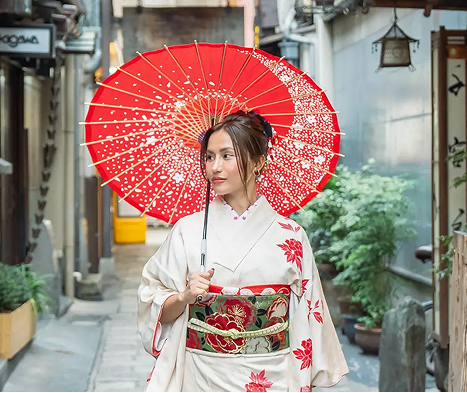 WAGASA
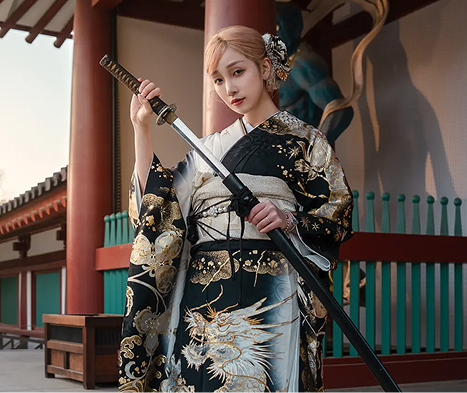 KATANA
 LOCATIONSHOOTING