2026.07.22
Sushi-Making Experience in Osaka: What to Expect Near Dotonbori
kimono rental
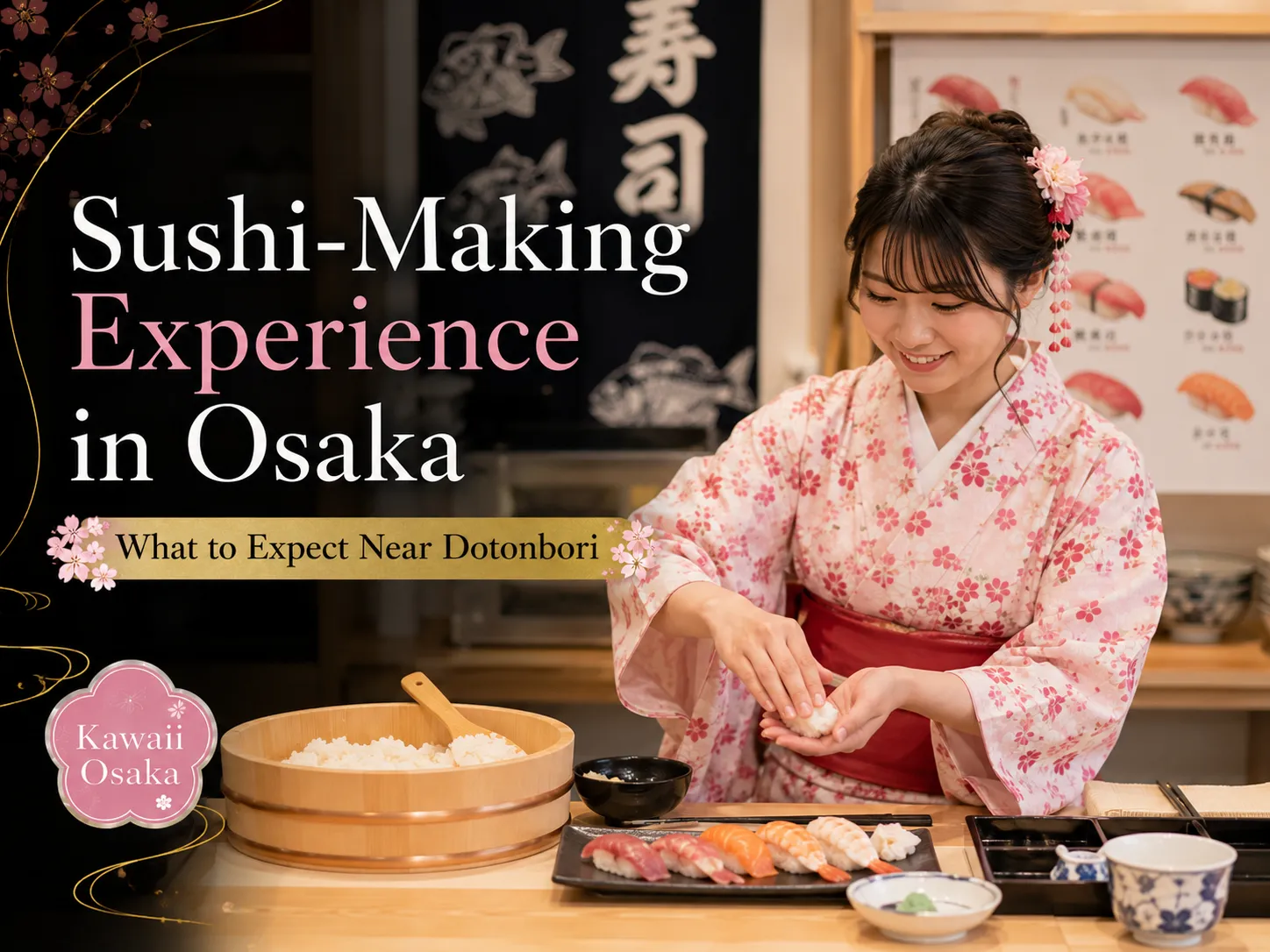
Osaka is known for food, but eating your way through the city is only one way to experience it.
A sushi-making experience gives you the chance to handle the rice, arrange the ingredients, work with nori and a bamboo rolling mat, and sit down to eat something you made yourself.
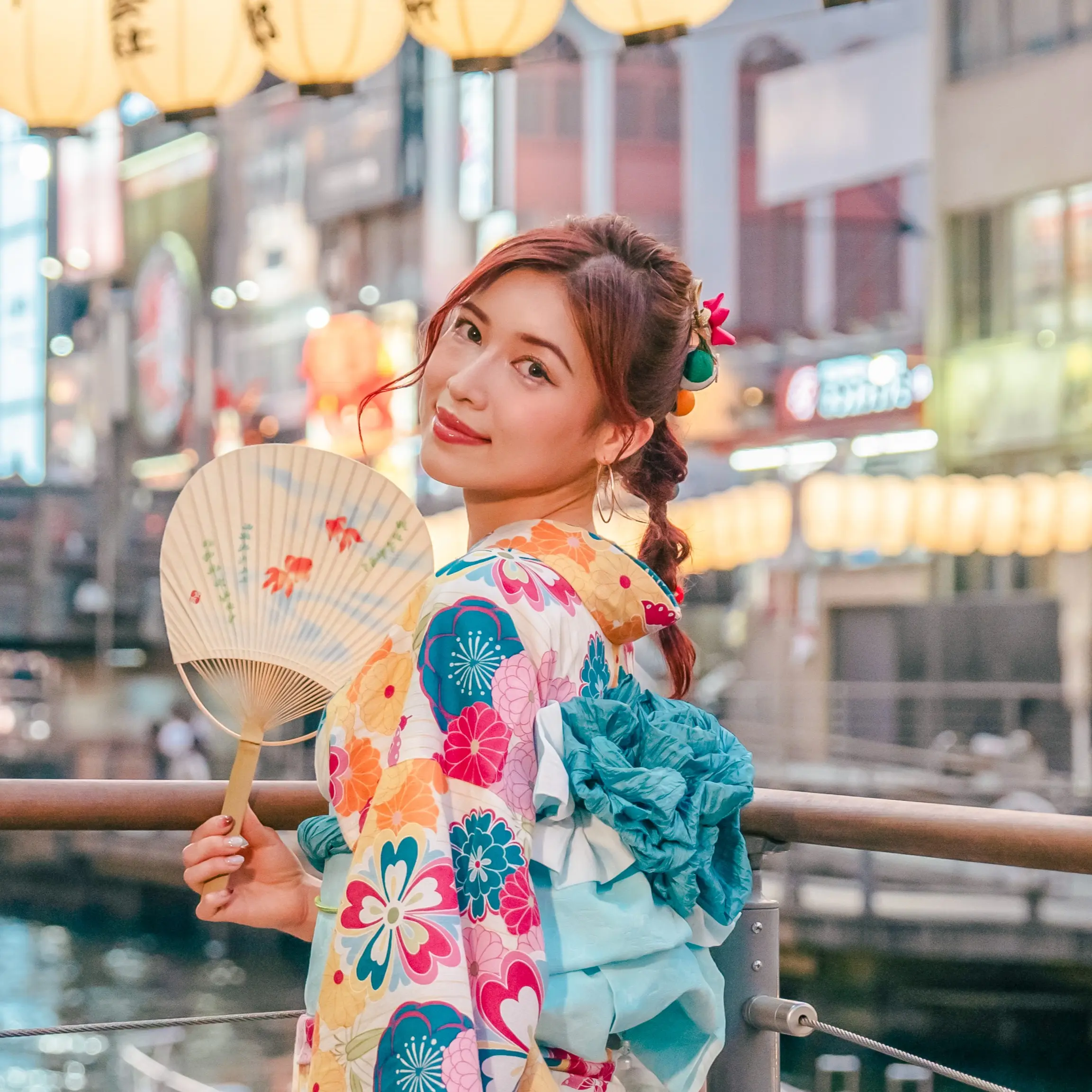
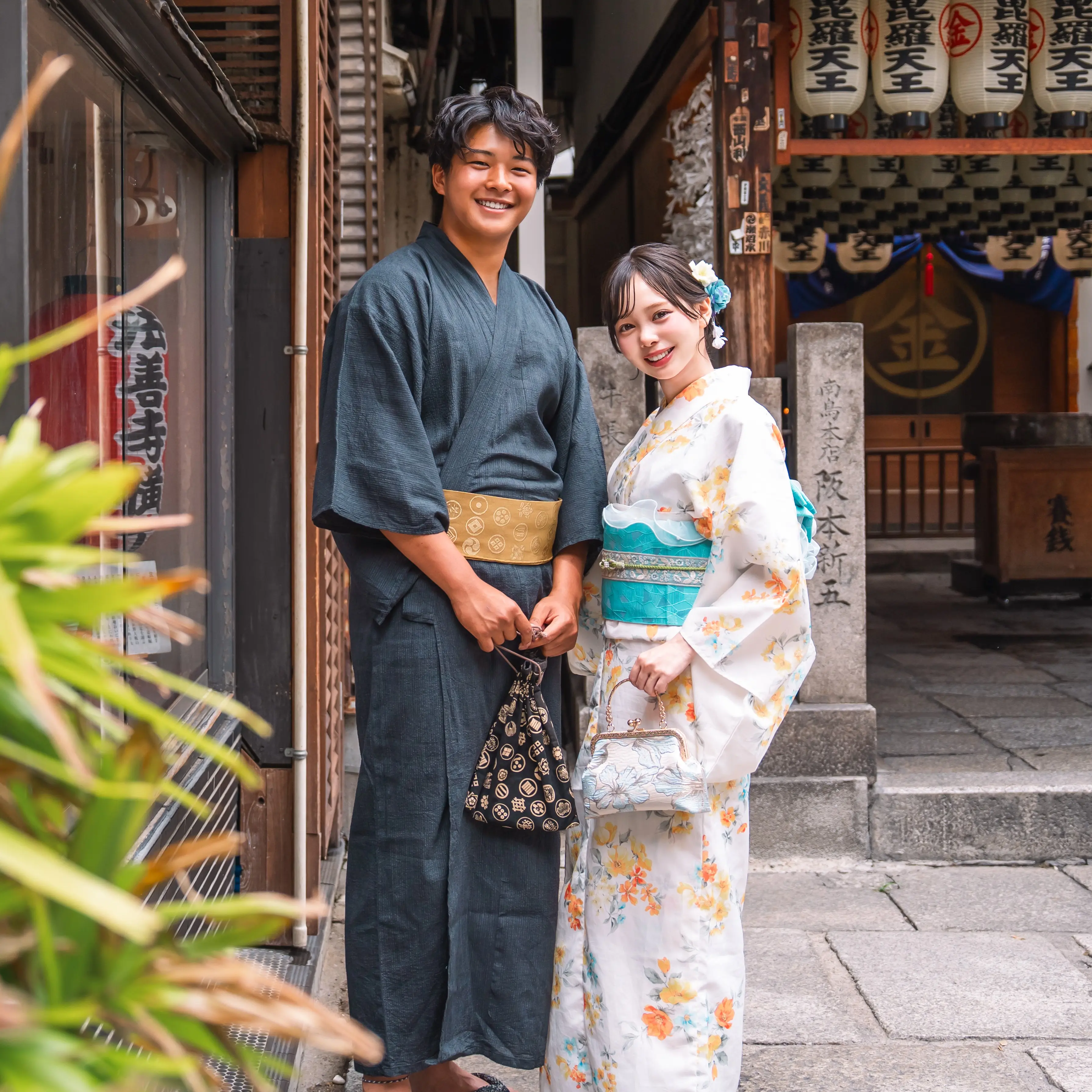
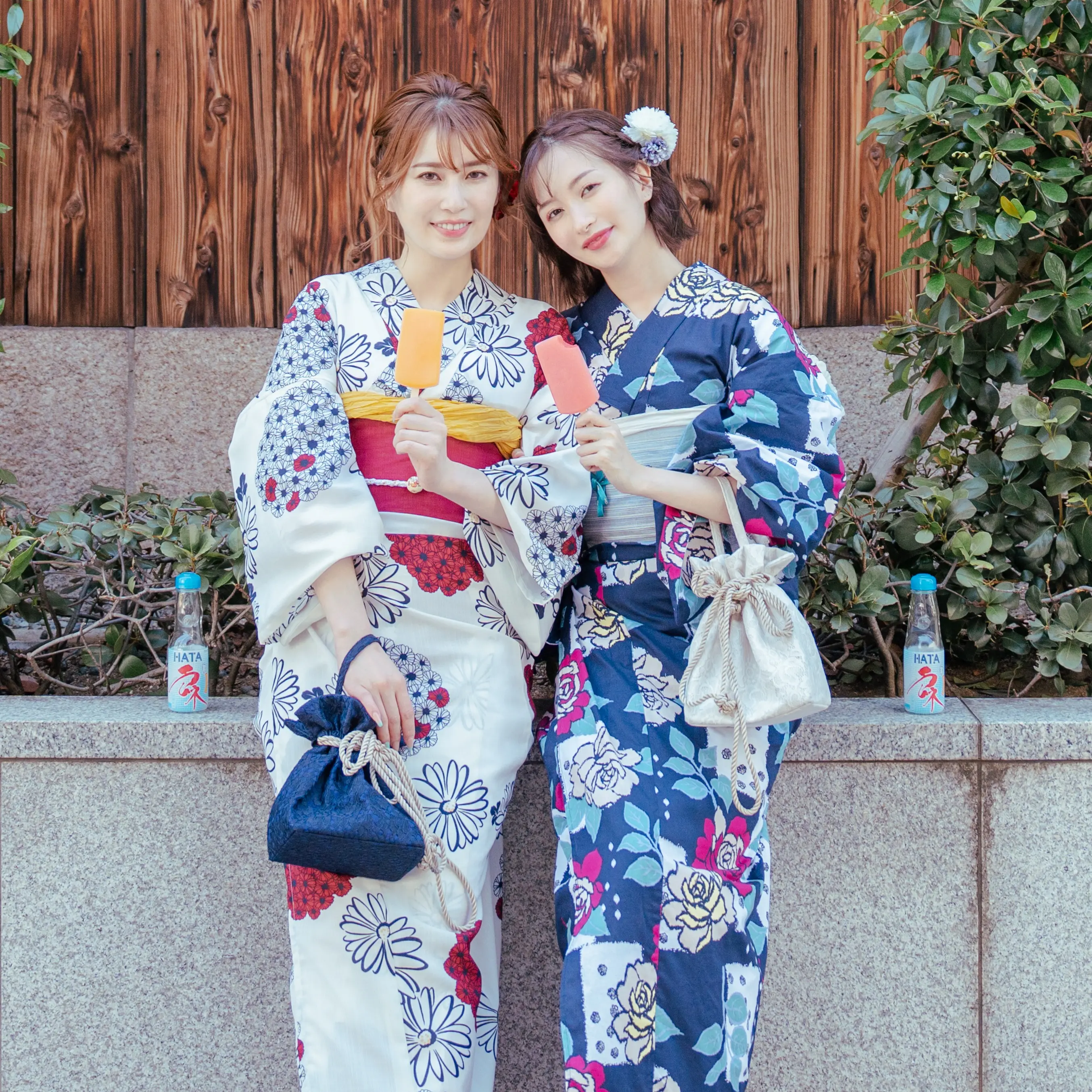
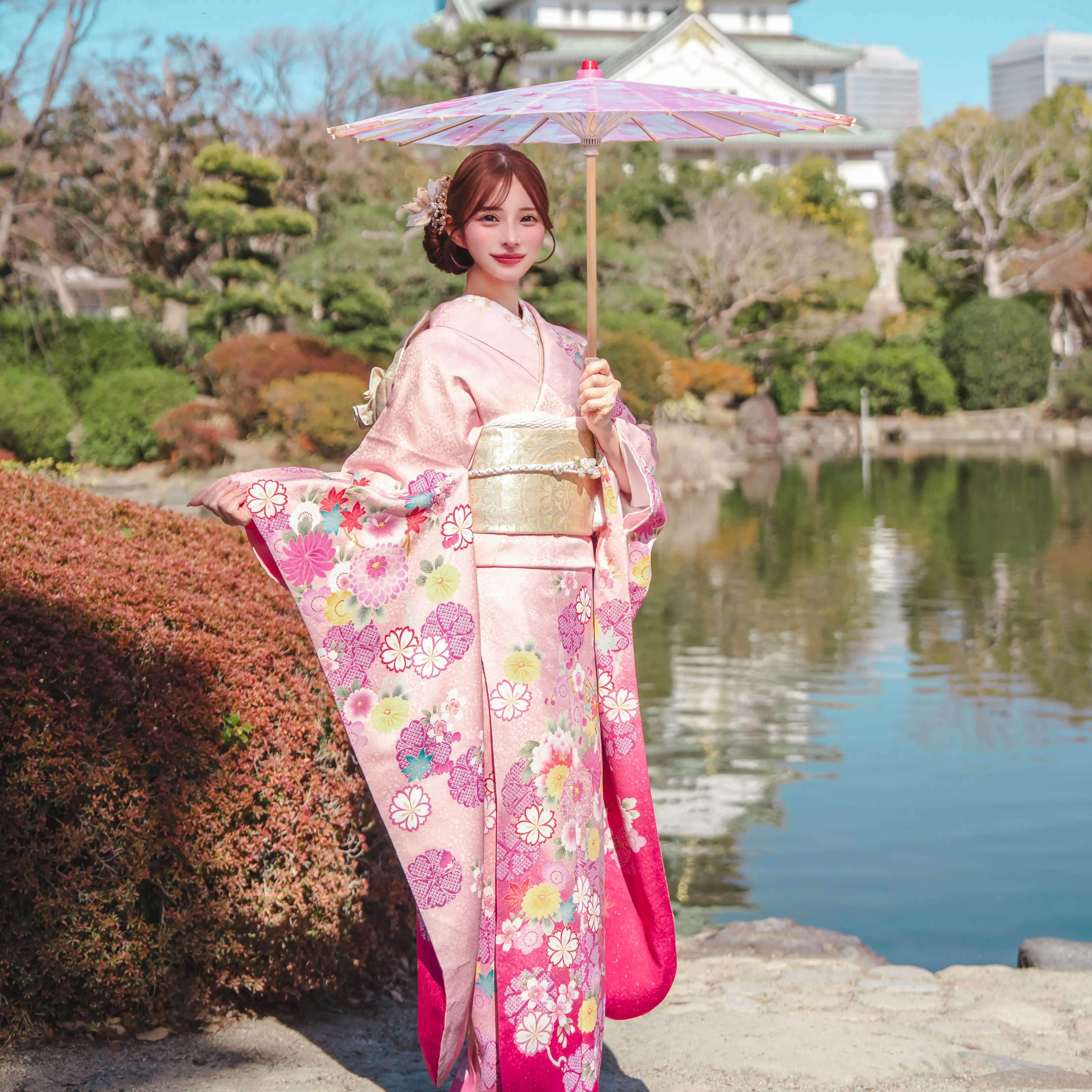
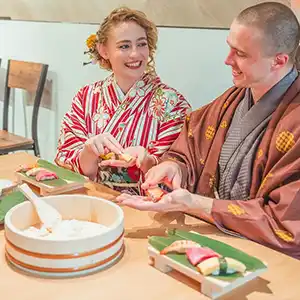
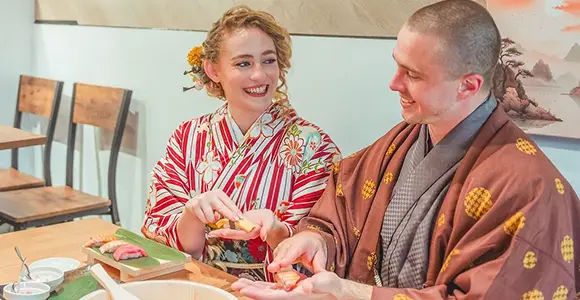
At Kawaii Osaka, the sushi experience can be combined with yukata rental near Namba and Dotonbori. After making and tasting your sushi, you can continue exploring central Osaka in traditional clothing.
No professional cooking skills are required. The experience is designed to introduce the basic process in a format that first-time participants can follow.
For travelers who already plan to visit Kuromon Market, Hozenji Yokocho or Dotonbori, it also adds a hands-on activity without requiring a separate trip across Osaka.
Explore Sushi-Making and Yukata Experiences in Osaka
Sushi Making in Osaka at a Glance
Kawaii Osaka’s sushi experience introduces visitors to the process of shaping sushi and making sushi rolls.
The current experience page describes:
・Working with sushi rice and ingredients
・Placing the ingredients carefully to create a well-shaped result
・Making sushi rolls
・Learning how a bamboo rolling mat, or makisu, is used
・Learning about nori seaweed
・Eating the sushi you prepare
・Combining the experience with yukata rental
・English- and Chinese-speaking assistance at the shop
The shop is in Soemoncho, close to Namba and Dotonbori.
This location works well when you want to include a cultural food activity between sightseeing and an evening meal, or when rain and summer heat make a long afternoon outdoors less appealing.
The experience may suit you when:
・You enjoy sushi but have never tried making it
・You want an activity rather than another restaurant reservation
・You are traveling with children, friends or a partner
・You are visiting Osaka alone and want a structured activity
・You want to combine Japanese food and traditional clothing
・You plan to explore Dotonbori afterward
Why Make Sushi Instead of Just Eating It in Dotonbori?
Dotonbori has no shortage of places to eat.
You can find sushi counters, seafood restaurants, takoyaki stands, okonomiyaki restaurants and many other examples of Osaka’s food culture within a relatively small area.
Japan’s official tourism organization describes Osaka as a relaxed and lively city especially well known for its food, entertainment and nightlife.
A sushi-making experience does not replace eating at a good restaurant. It gives you a different way to understand the food.
What You Learn Beyond Ordering at a Restaurant
At a sushi restaurant, the preparation usually happens behind the counter.
You see the finished piece placed in front of you, but you may not notice:
・How the rice is handled
・How much pressure is used
・Where the ingredients are positioned
・How nori is placed
・How a bamboo mat supports a roll
・Why an overfilled roll is difficult to shape
・How the finished sushi is arranged for serving
Making sushi yourself brings those details into view.
Rice that looks simple on the plate can be surprisingly difficult to spread evenly. Too much pressure changes its texture, while too little control makes the shape fall apart.
A roll also needs balance. The rice and fillings must be distributed carefully so that the nori can close and the finished pieces hold their shape.
These are small techniques, but they change the way you look at sushi when you order it again later in your trip.
How It Fits into an Osaka Food Itinerary
A sushi experience does not need to be the only food activity of the day.
You could:
・Visit Kuromon Market in the morning
・Make sushi around lunchtime or during the afternoon
・Take photos in yukata near Hozenji Yokocho
・Walk along the Dotonbori River
・Try takoyaki, kushikatsu or okonomiyaki in the evening
This works particularly well for travelers who want variety.
The sushi you make introduces one part of Japanese food culture. Dinner can then focus on a dish more closely associated with Osaka.
You can also take the opposite approach: enjoy an Osaka food tour first, then book sushi making on another day when you want a quieter indoor activity.
Is It an Authentic Class or a Tourist Workshop?
A short sushi-making experience for visitors is not the same as professional chef training.
Sushi chefs spend years developing knife skills, ingredient knowledge, rice preparation and the ability to serve guests at a professional counter.
A beginner workshop has a different purpose.
It allows you to handle the main components, follow the preparation process and understand techniques that are normally hidden when you order from a menu.
A Beginner Experience, Not Professional Chef Training
You should not expect to leave the experience ready to work behind a sushi counter.
You can expect to become more familiar with:
・The texture and handling of sushi rice
・The role of nori
・The basic use of a makisu
・How ingredients are positioned
・How sushi is shaped and presented
・Why careful hand movements matter
The experience becomes meaningful through participation.
You are not only watching someone prepare food. You are working through the process and seeing how your own choices affect the finished result.
What You Can Realistically Learn
A short beginner experience can teach you enough to understand the structure of simple sushi and rolls.
You may leave with a clearer sense of:
・How much rice to use
・How to spread it without crushing it
・How to arrange fillings before rolling
・How to keep a roll compact
・How the rolling mat helps create an even shape
・How to plate the finished pieces
Travelers reviewing sushi workshops in Osaka frequently praise patient instruction, clear English explanations and the satisfaction of eating what they made. Some also value learning techniques they feel able to try again at home.
The experience is most useful when you approach it as an introduction to the craft rather than a shortened version of professional training.
What Do You Make During the Experience?
Kawaii Osaka’s experience page describes working with rice and toppings, making sushi rolls and learning how nori and a bamboo rolling mat are used. You then eat the sushi you have made.
The exact ingredients, shapes and number of pieces can vary with the current plan.
Check the experience details for your date before booking when the amount of food or a particular sushi type is important to you.
Preparing the Rice, Nori and Ingredients
Sushi rice needs to be handled gently.
Pressing too firmly can make it heavy and dense. Spreading it unevenly can leave one section of a roll too thick and another too thin.
During the experience, pay attention to:
・The amount of rice used
・How the rice is distributed
・How close it comes to the edge of the nori
・Where the ingredients are placed
・How much empty space is left for closing the roll
Nori also has a direction and texture. The surface that touches the rice and the way the sheet is positioned can affect the finished result.
The ingredients need to form a manageable line rather than a large pile.
An overfilled roll may look generous before it is closed, but it is much harder to shape and cut cleanly.
Rolling, Shaping and Cutting the Sushi
A makisu is a flexible bamboo mat used to support and shape sushi rolls.
It helps apply even pressure while keeping the roll together.
The movement is more controlled than simply wrapping the mat around the ingredients. You need to guide the first turn, hold the filling in place and tighten the shape without crushing the rice.
Depending on the current session, some preparation or cutting may be handled by the instructor.
Before booking with children, confirm whether participants use knives and which tasks require adult supervision.
If cutting is included, the goal is usually to create pieces that are similar in size and keep their shape on the plate.
Eating What You Make
Eating your own sushi is part of the experience.
The result may not look identical to a restaurant chef’s work, but the small differences are part of what makes the activity memorable.
You can compare:
・Pieces made with more or less pressure
・Different ingredient placements
・The shape of the roll before and after cutting
・How evenly the rice was distributed
・Which combinations you enjoyed most
Traveler reviews of Osaka sushi workshops often mention the satisfaction of sitting down at the end and eating the food they prepared.
Can Beginners, Children and Solo Travelers Join?
Sushi-making experiences are generally popular because the basic steps are visual and can be demonstrated one at a time.
The instructor prepares the activity so that visitors can focus on handling, shaping and assembling rather than running a professional kitchen.
Cooking Skills, Knife Use and Language Support
You do not need previous cooking experience to take part in a beginner session.
Useful skills are simple:
・Listening to the demonstration
・Following the steps in order
・Handling the rice gently
・Keeping your work area organized
・Asking for help when the shape begins to come apart
Kawaii Osaka advertises English- and Chinese-speaking staff, which can make it easier to ask about ingredients, techniques and the order of the activity.
Knife use should be checked before booking, especially for younger children or visitors who prefer not to handle sharp tools.
Some experiences prepare the ingredients in advance, while others allow participants to complete more of the cutting and presentation.
Minimum Age and Adult Supervision
Children often enjoy sushi making because the activity involves touching, arranging and shaping the food.
The best age depends on:
・The length of the session
・Whether knives are used
・The child’s ability to follow hygiene instructions
・Whether hot water or other heated items are present
・The amount of adult help required
Before booking, check the minimum age and whether an accompanying adult must assist.
A younger child may enjoy spreading rice and placing ingredients even if an adult handles cutting or more delicate tasks.
Solo and Group Bookings
A structured food activity can work well for solo travelers because there is a clear focus from the moment the session begins.
You do not need to create conversation with strangers for the experience to feel complete. You can follow the demonstration, work on your own sushi and ask the instructor questions.
Solo travelers reviewing Osaka cooking classes have described small-group instruction and the opportunity to learn enough to try making sushi again at home.
For couples, families and friends, the activity becomes more social.
Each person’s sushi may turn out differently, which gives the group something to compare when it is time to eat.
Larger groups should confirm availability in advance so that there is enough space and instruction time for everyone.
What Does Wearing a Kimono Add?
Kawaii Osaka combines its sushi experience with yukata rental.
This creates a different experience from attending an ordinary cooking workshop in everyday clothes.
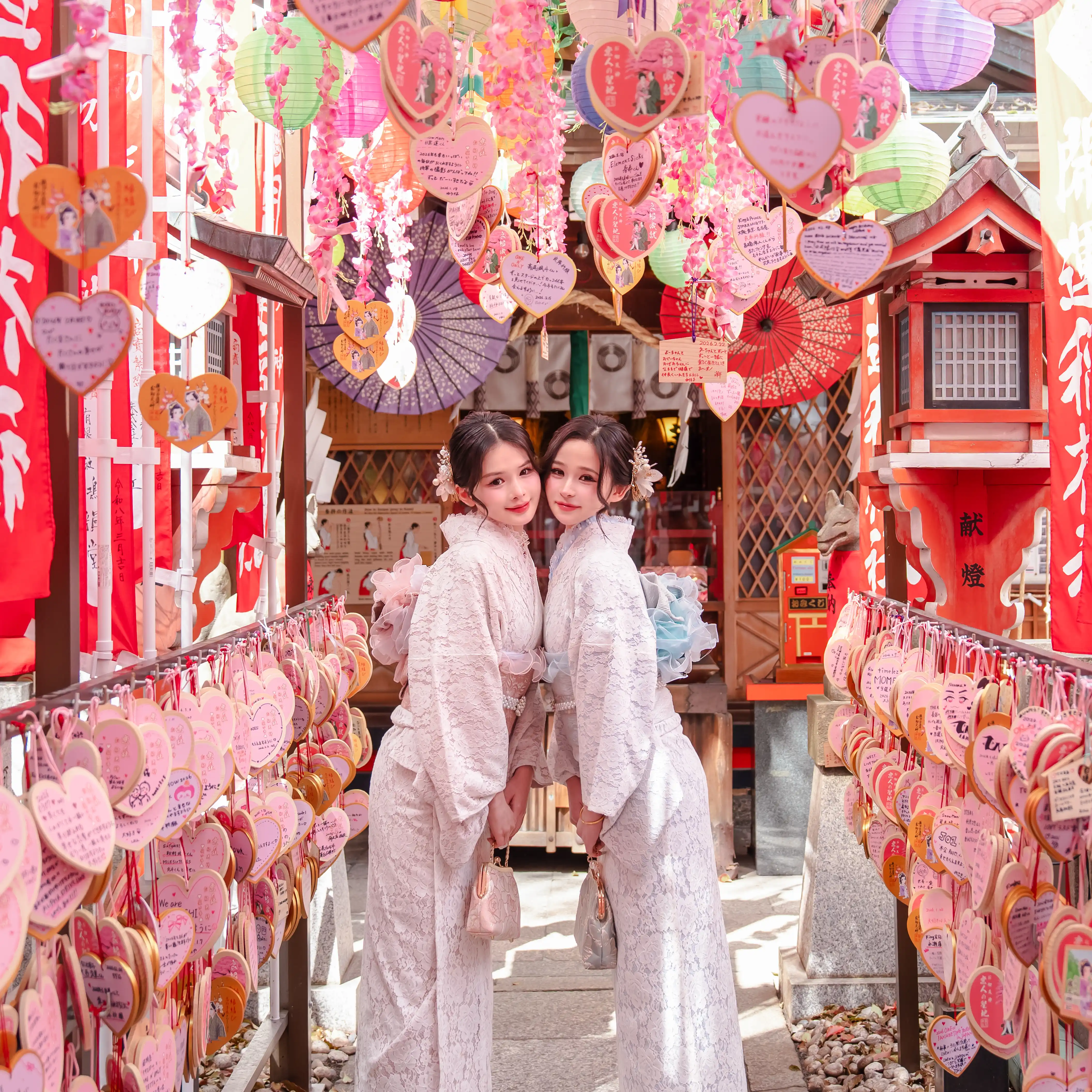
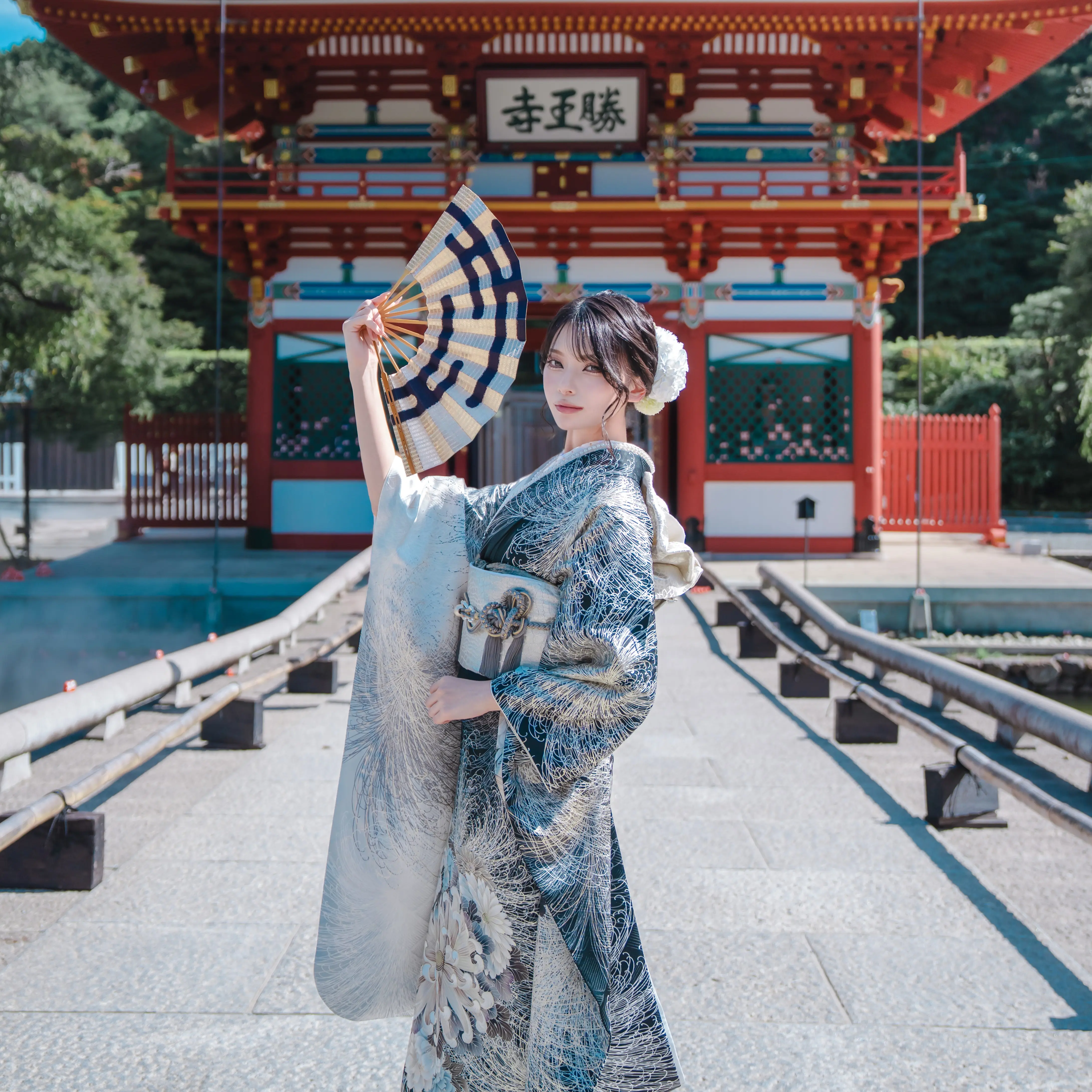
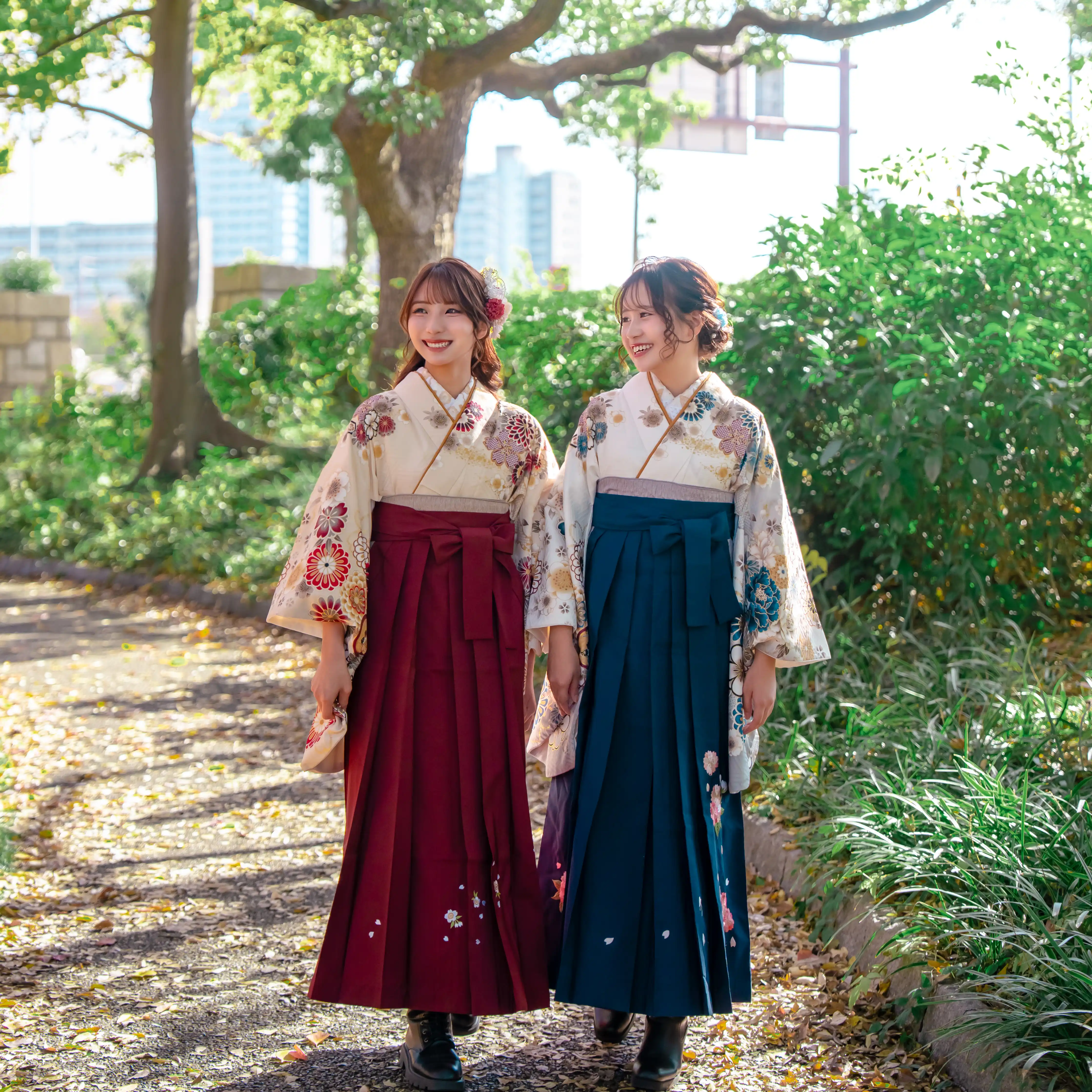
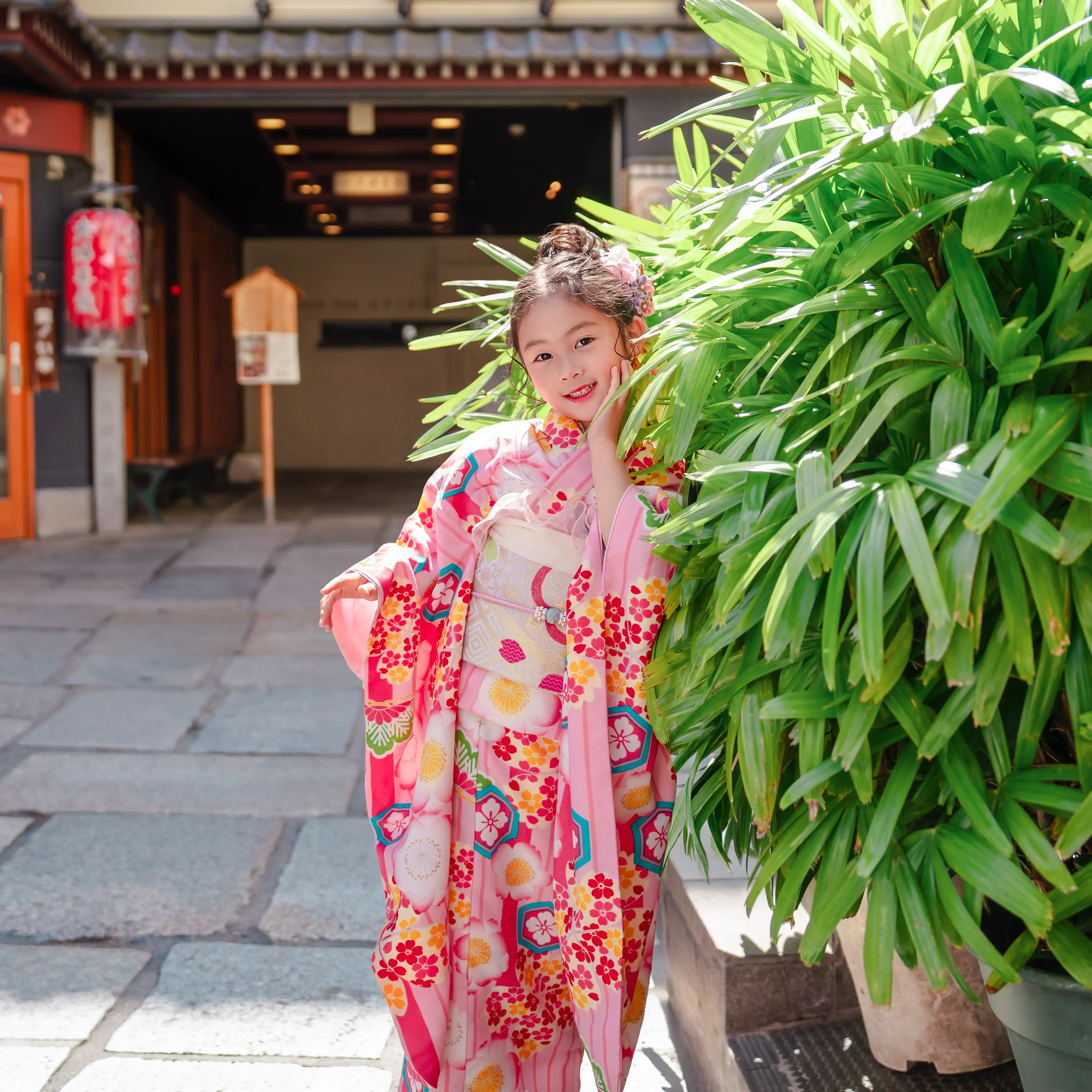
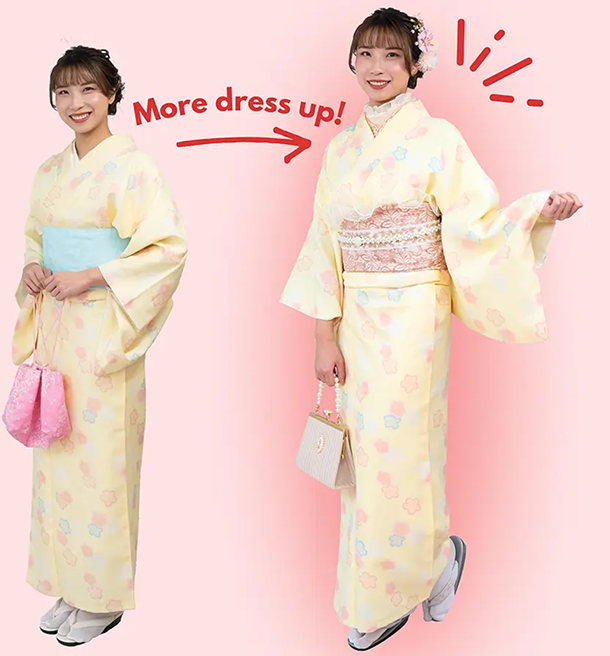
You select traditional clothing, receive professional dressing and then take part in a food activity before continuing into Namba or Dotonbori.
Combining Dressing, Cooking and Photography
The appeal is not limited to wearing a yukata while standing beside a plate of sushi.
The experience brings several parts of a Japan trip into one booking:
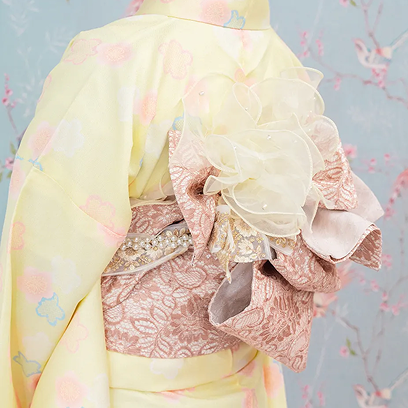
・Choosing a yukata and obi
・Professional dressing
・Learning how sushi is assembled
・Making the food yourself
・Eating what you prepared
・Taking photos in traditional clothing
・Continuing into Dotonbori afterward
This can be practical when your Osaka schedule is short.
Booking clothing, a separate cooking class and a photo session at different locations would require more travel and coordination.
A combined experience lets you move from the activity to nearby sightseeing without changing areas.
See the Current Sushi-Making and Yukata Experience
Aprons, Sleeves and Food Hygiene
Yukata sleeves need to be kept away from rice, sauces and preparation surfaces.
Before the activity begins, follow the staff’s instructions for securing the sleeves and protecting the clothing.
Check whether the current experience provides:
・An apron
・Sleeve covers
・Sleeve ties
・Gloves when required
・A designated place for bags and personal items
Wash your hands carefully and keep phones away from the preparation area unless the instructor says it is time for photos.
Long hair should be secured before handling food.
If you have long nails, jewelry or anything else that may interfere with food preparation, ask how the staff would like you to proceed.
Is a Sushi-Making Experience Worth It?
The experience is most worthwhile when you want to understand the food rather than simply consume it.
A restaurant gives you the work of an experienced professional.
A workshop gives you the opportunity to notice the decisions behind that work.
Sushi Class vs Sushi Restaurant
Choose a sushi restaurant when you want:
・A wider menu
・A chef’s professional technique
・Seasonal fish selected by the restaurant
・A meal without preparation
Choose a sushi-making experience when you want:
・Hands-on participation
・An explanation of the ingredients and tools
・A better understanding of rice handling and shaping
・A shared activity with family or friends
・Something you may be able to try again at home
There is no need to choose one instead of the other.
Making sushi during the afternoon can make a later restaurant visit more interesting because you begin to notice the chef’s hand pressure, speed and consistency.
What You Can Recreate at Home
Sushi rolls are often more realistic for beginners to recreate at home than highly technical restaurant sushi.
After learning the basic use of a bamboo mat, you can experiment with ingredients available in your own country.
The main ideas remain the same:
・Prepare suitable rice
・Avoid overfilling
・Distribute ingredients evenly
・Roll with controlled pressure
・Use a clean, sharp knife for neat pieces
The exact ingredients can change.
You might use seafood, cooked ingredients, vegetables or combinations that suit your local market and dietary preferences.
Ask whether written instructions or a recipe are included when taking the technique home is important to you.
Portion Size and Whether It Replaces a Meal
Because you eat the sushi you make, the experience can be scheduled around lunch or an early dinner.
The amount may differ according to the current menu, ingredients and number of pieces.
Before booking, check:
・How many pieces each person makes
・Whether rolls and other sushi types are included
・Whether everyone receives the same ingredients
・Whether drinks or side dishes are provided
・Whether the portion is described as a full meal or a tasting
When the portion is substantial, arrive with an appetite.
Traveler reviews of other Osaka sushi classes sometimes describe generous servings and advise participants not to eat beforehand, but the amount should always be checked for the specific plan you are booking.
Allergies and Dietary Requirements
Sushi can include ingredients that are not immediately obvious from the finished appearance.
Tell the staff about dietary requirements before booking rather than waiting until the experience begins.
Provide a clear list of what you cannot eat and whether the restriction is:
・A medically diagnosed allergy
・An intolerance
・A vegetarian or vegan diet
・A religious requirement
・A personal preference
The distinction helps the provider understand whether trace amounts and shared equipment are also a concern.
Raw Fish, Seafood, Egg, Soy and Gluten
Depending on the menu, sushi ingredients may include:
・Raw or cooked fish
・Shellfish
・Egg
・Soy
・Wheat
・Sesame
・Mayonnaise
・Fish-based seasonings
Soy sauce commonly contains both soybeans and wheat. Traditionally brewed Kikkoman soy sauce, for example, is made from soybeans, wheat, salt and water. Wheat-free soy sauce products also exist, but they must be selected separately.
A person avoiding gluten should therefore ask about:
・The soy sauce
・Sauces added to the fillings
・Seasoned ingredients
・Shared bowls and utensils
・Whether gluten-free soy sauce is available
For a serious allergy, confirm both ingredients and preparation methods.
Vegetarian, Vegan and Halal Requests
Vegetarian sushi may use vegetables, tofu or other non-meat ingredients, but the toppings are only part of the question.
Ask whether:
・Fish stock is used
・Egg or mayonnaise is included
・The soy sauce meets your requirements
・The rice seasoning contains ingredients you avoid
・The same utensils are used for seafood
Vegan travelers should explain whether they avoid all fish-based stock, egg and mayonnaise.
For halal requirements, provide a detailed description rather than using only the word “halal.”
Ask about:
・Seafood and shellfish
・Alcohol-containing seasonings
・Mirin or cooking sake
・Shared equipment
・How the ingredients are stored and prepared
Dietary terms can be interpreted differently, so a written list is often clearer than a single label.
Cross-Contact and Shared Equipment
An ingredient-free option is not necessarily free from cross-contact.
Rice paddles, cutting boards, knives, rolling mats, plates and gloves may be shared between different ingredients.
For a severe allergy, ask:
・Whether equipment can be cleaned separately
・Whether a separate preparation area is available
・Whether ingredients are stored together
・Whether staff can avoid cross-contact
・Whether the provider can safely meet the requirement
Bring any prescribed emergency medication and keep it accessible.
A cooking experience should only be booked when the provider’s preparation process is suitable for your medical needs.
How to Fit Sushi Making into a Dotonbori Day
The experience is easy to combine with other attractions in central Osaka.
Rather than treating it as an isolated appointment, build it into the route you are already planning.
After Kuromon Market
Kuromon Market is a natural starting point for a food-focused day.
You can walk through the market, see seafood and produce, then continue toward Soemoncho for the sushi experience.
A possible route is:
・Visit Kuromon Market in the morning
・Explore Nippombashi
・Join the sushi-making experience
・Continue toward Hozenji Yokocho
・Walk beside the Dotonbori River
Seeing ingredients in the market before making sushi gives the day a clear theme without repeating the same activity.
Before an Evening Food Tour
An afternoon session can work well before an evening focused on Osaka specialties.
After making sushi, you might try:
・Takoyaki
・Okonomiyaki
・Kushikatsu
・Udon
・Grilled seafood
・Japanese sweets
Leave time between the sushi experience and the food tour when the portion is expected to be substantial.
If dinner is the main event, choose a schedule that allows you to eat comfortably rather than fitting two full meals too close together.
On a Rainy or Hot Afternoon
Osaka’s summer heat and rainy periods can make several hours of outdoor sightseeing tiring.
A sushi-making experience gives you an indoor activity while keeping you close to Namba and Dotonbori.
You can spend part of the afternoon preparing and eating sushi, then go outside later when the rain has eased or the temperature has begun to fall.
It also gives families and groups a break from continuous walking without turning the afternoon into unstructured waiting time.
What to Check Before Booking
The experience page provides an overview, while the current booking details help you decide whether the session suits your group.
Duration, Sushi Types and Number of Pieces
Check:
・The total experience time
・The time needed for yukata selection and dressing
・The sushi types included
・The number of pieces made by each person
・Whether ingredients are prepared in advance
・Whether participants use knives
・Whether the finished amount is considered a meal
These details affect how you plan lunch, dinner and the activities before and after the session.
Ingredients, Language and Group Size
Confirm:
・The available instruction languages
・Minimum and maximum group size
・Whether solo bookings are accepted
・The minimum age
・Dietary substitutions
・Allergen information
・Cross-contact procedures
・Whether private sessions are available
Kawaii Osaka advertises English- and Chinese-speaking staff.
Send dietary information in writing whenever possible so the staff have a clear record before your arrival.
Kimono, Photography and Return Time
When the plan includes yukata rental, check:
・Available sizes
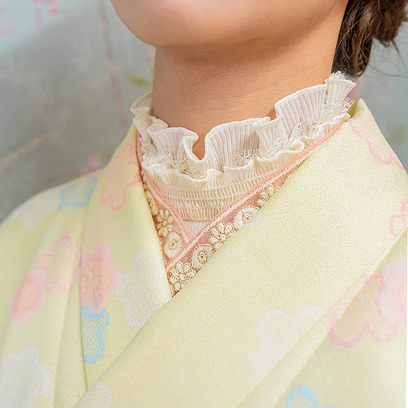
・What clothing and accessories are included
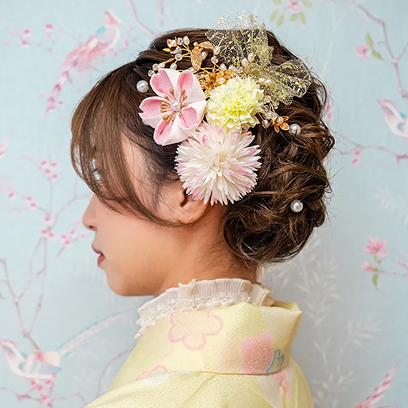
・Whether hair styling is available
・How sleeves are protected during food preparation
・When photos may be taken
・Whether you can continue sightseeing afterward
・The yukata return deadline
This is particularly important when you plan to stay in Dotonbori for dinner or nighttime photos.
Check the Current Sushi Experience Details
Frequently Asked Questions
Can I Join If I Have Never Cooked Before?
Yes.
A beginner sushi experience introduces the process one stage at a time. Follow the demonstration and ask for help when the rice or roll begins to lose its shape.
Do I Have to Eat Raw Fish?
The ingredients depend on the current menu.
Ask about cooked or non-fish options before booking when you avoid raw seafood.
Can Vegetarians or Vegans Join?
Ingredient changes may be possible depending on the plan.
Explain exactly what you avoid, including fish stock, egg, mayonnaise and animal-derived seasonings.
Can Children Make Sushi?
Children may be able to participate depending on the age conditions and tasks involved.
Confirm the minimum age, knife use and whether an adult needs to assist.
Can I Book as a Solo Traveler?
Check the current minimum booking requirement.
A sushi experience can work well for solo travelers because the activity provides a clear structure and regular interaction with the instructor.
Do I Eat the Sushi I Make?
Yes.
Kawaii Osaka’s experience page describes sitting down after the activity and enjoying the sushi you prepared.
Does the Experience Count as a Full Meal?
Check the current number and type of pieces before planning your other meals.
The experience may replace a meal for some visitors, while others may prefer to treat it as part of a larger food-focused day.
Can I Wear a Kimono While Making Sushi?
Kawaii Osaka offers the sushi experience with yukata rental.
Follow the staff’s instructions for securing the sleeves and protecting the clothing during food preparation.
Can I Take Photos During the Experience?
Ask the instructor when photography is appropriate.
Keep phones away from the food-preparation area while handling ingredients.
Can I Continue Sightseeing in Dotonbori Afterwards?
The shop’s location near Namba and Dotonbori makes it easy to continue sightseeing after the activity.
Confirm the yukata return conditions before leaving the shop.
Explore Sushi-Making Experiences in Osaka
A sushi-making experience offers something that a restaurant meal cannot: the chance to feel how the rice behaves, see why ingredient placement matters and understand how a bamboo mat turns separate components into a finished roll.
Combining the activity with yukata adds another part of Japanese culture without taking you away from central Osaka.
After eating what you prepared, you can continue toward Hozenji Yokocho, the Dotonbori River and the illuminated streets around Ebisubashi.
For first-time visitors, families, couples and solo travelers, it is a practical way to turn an Osaka food day into something more active and memorable.
Explore Sushi-Making and Yukata Experiences at Kawaii Osaka

 06-6732-8070
  KIMONO RENTAL
SET CONTENT
KIMONO RENTAL
SET CONTENT

 KIMONO RENTAL
HAIR SET/MAKE UP
KIMONO RENTAL
HAIR SET/MAKE UP
 KIMONO RENTAL
Accessories for Kimono & ITEMS
KIMONO RENTAL
Accessories for Kimono & ITEMS
 WAGASA
 KATANA
 LOCATIONSHOOTING