2026.07.22
Tea Ceremony in Osaka with Kimono: What to Expect Near Dotonbori
kimono rental
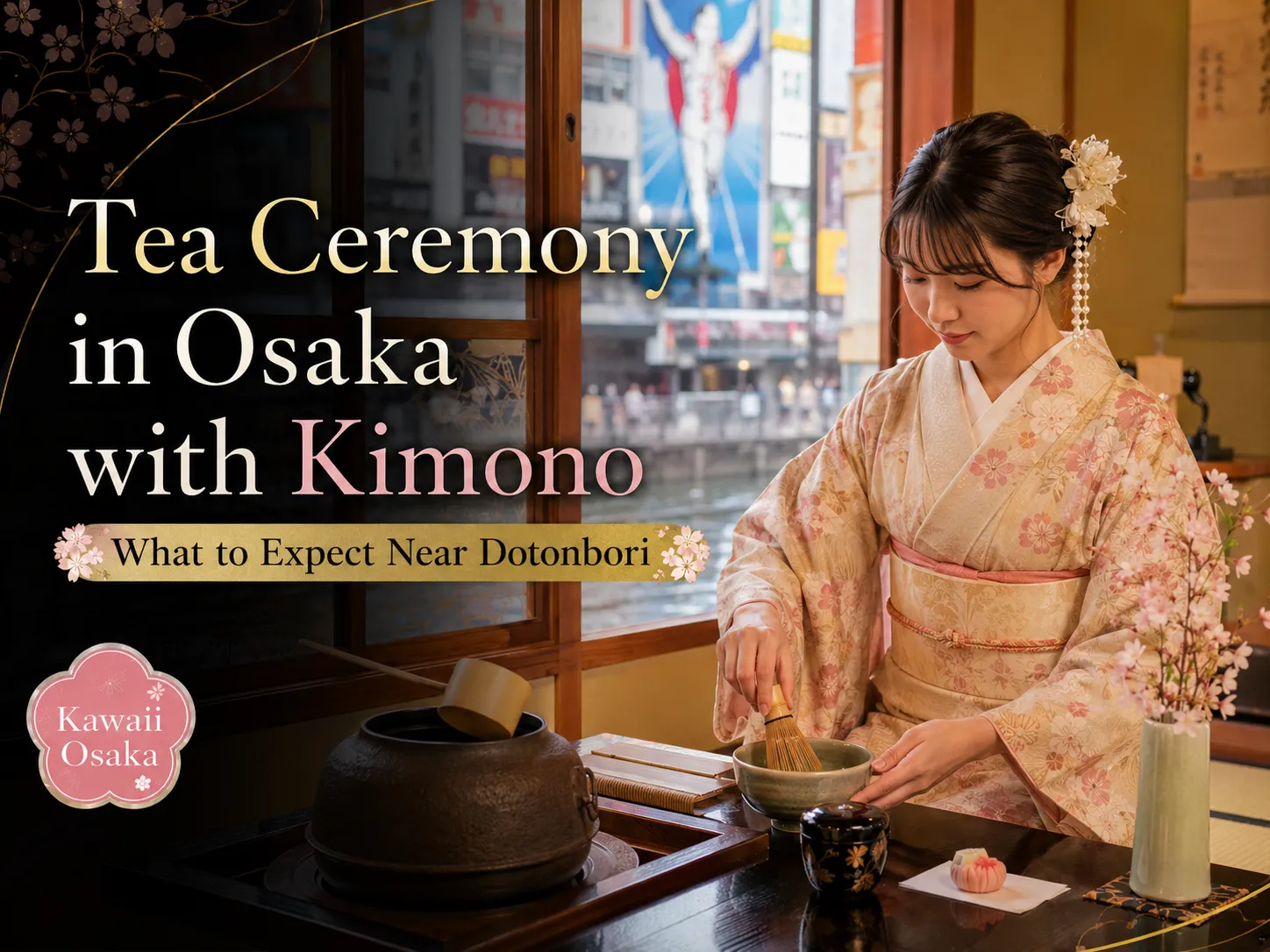
A Japanese tea ceremony may seem formal when you first see one.
The room is quiet. The utensils are handled carefully, and each movement appears to follow a particular order. First-time visitors often wonder whether they will be expected to know when to bow, how to hold the bowl or what to say to the host.
A beginner-friendly tea ceremony is designed to guide you through those moments.
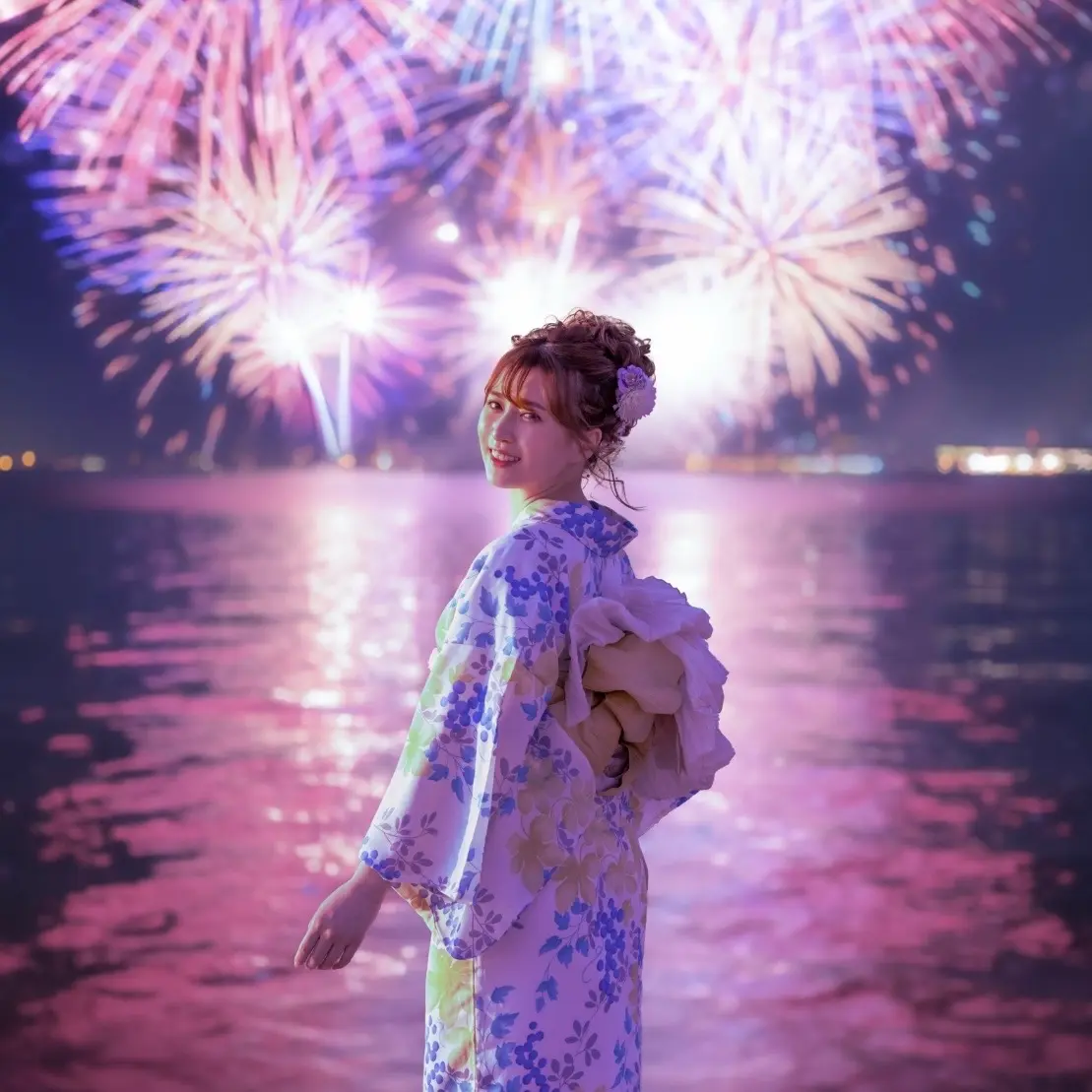
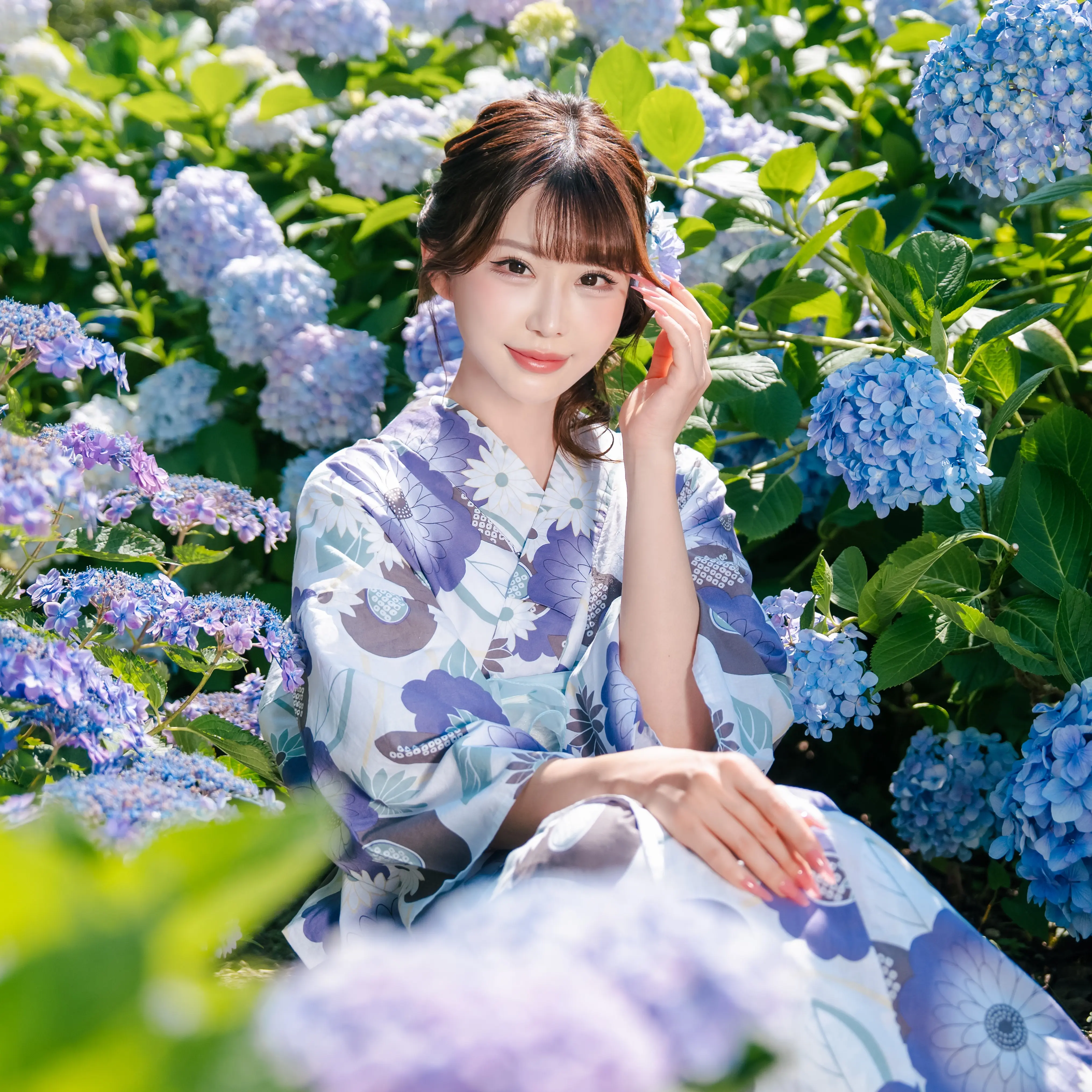
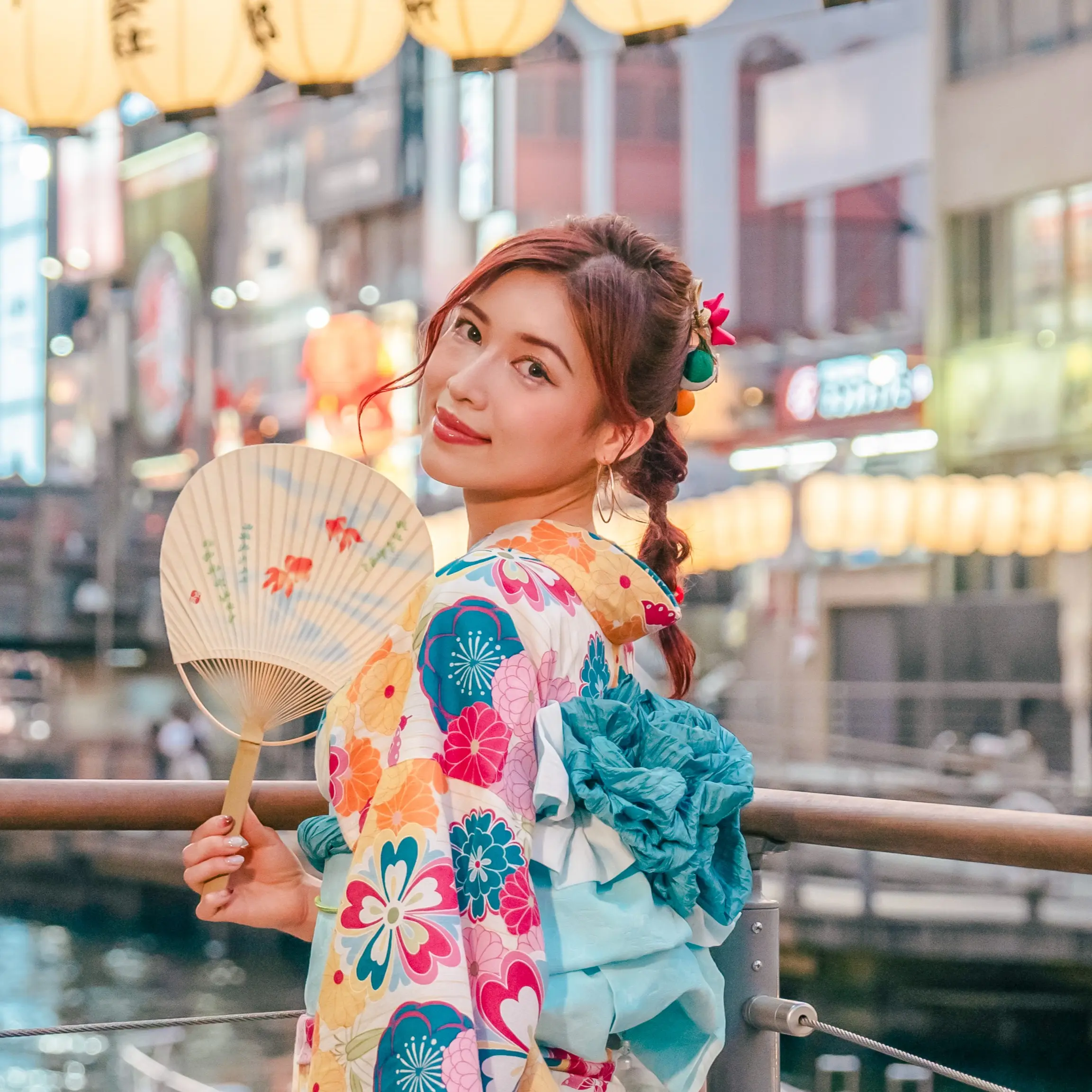
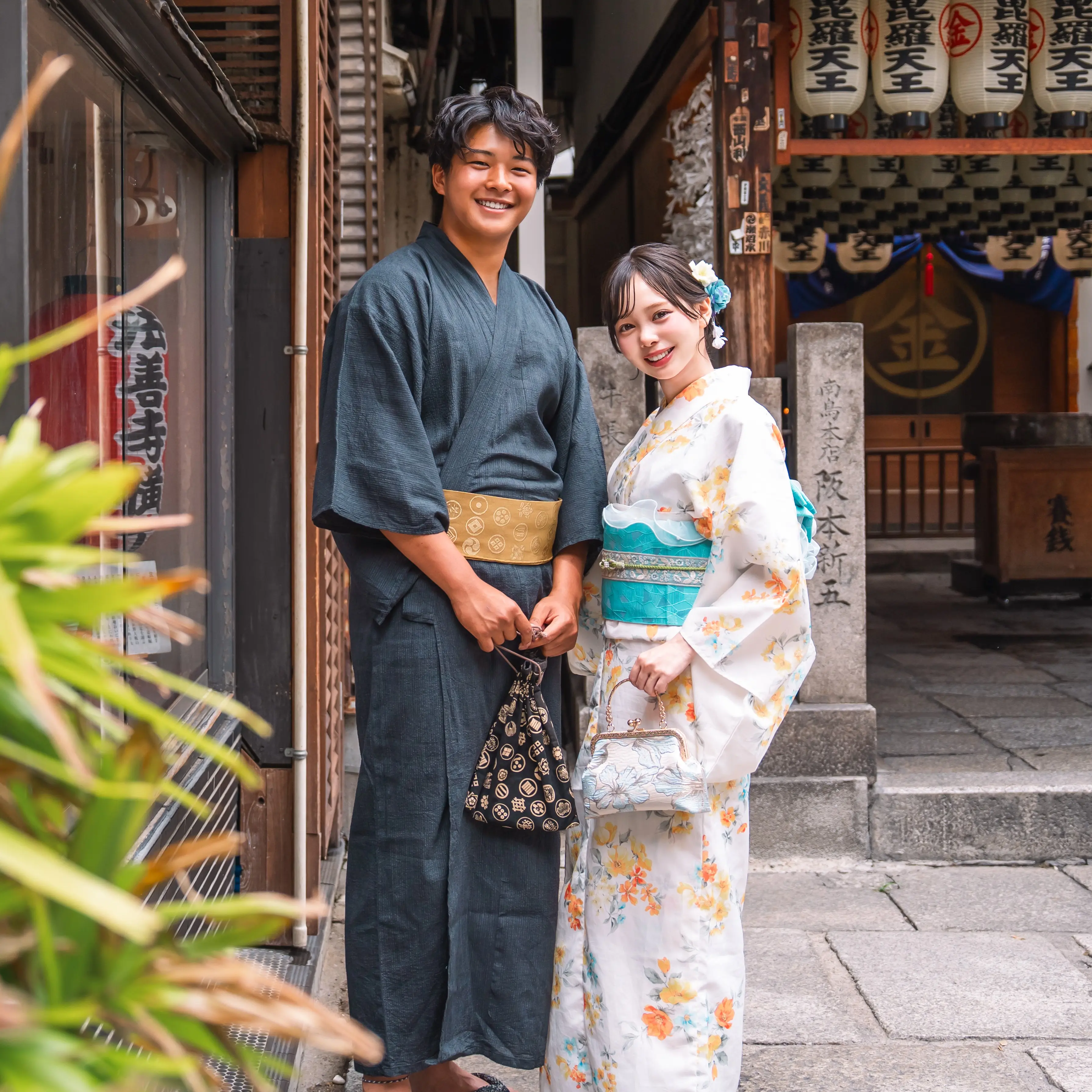
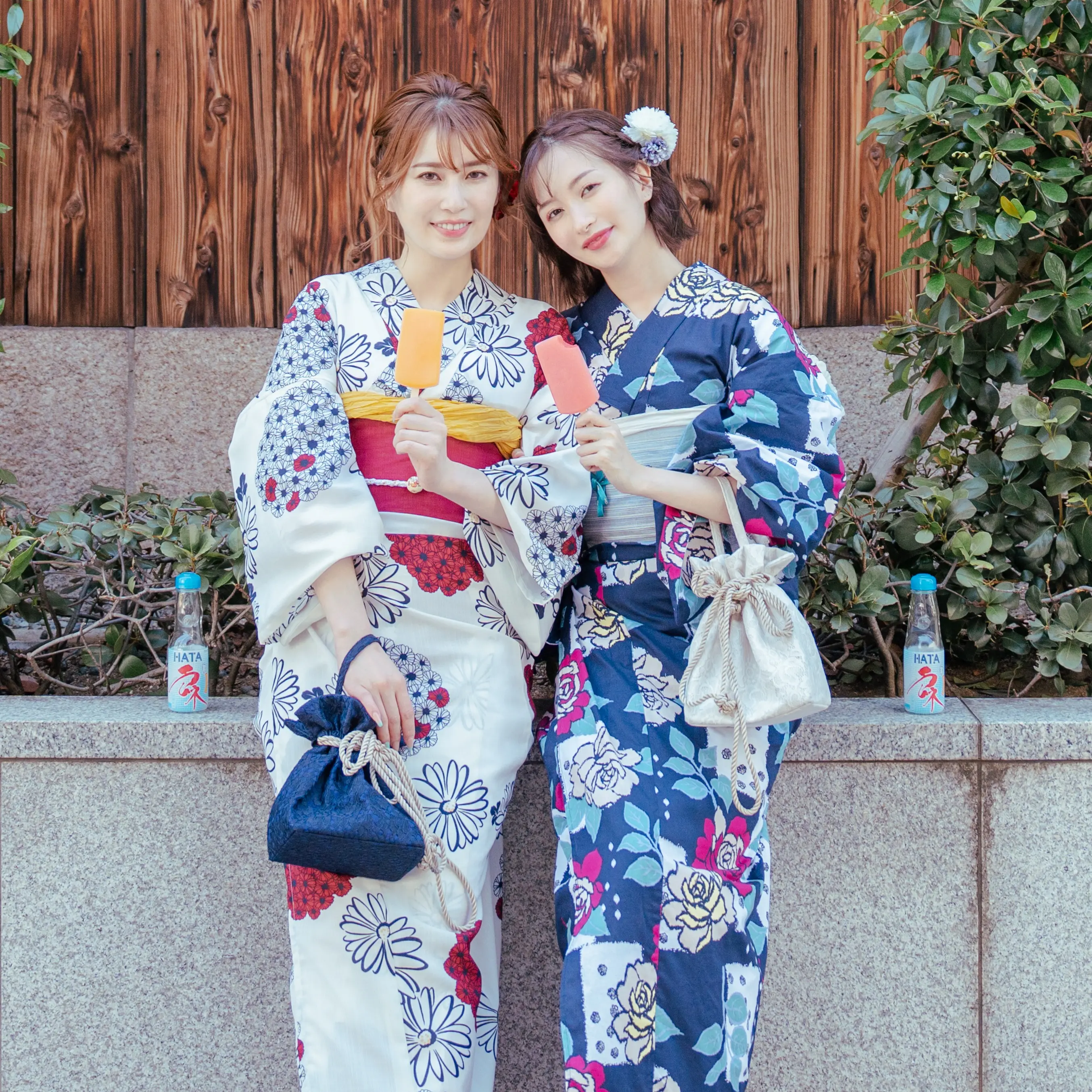
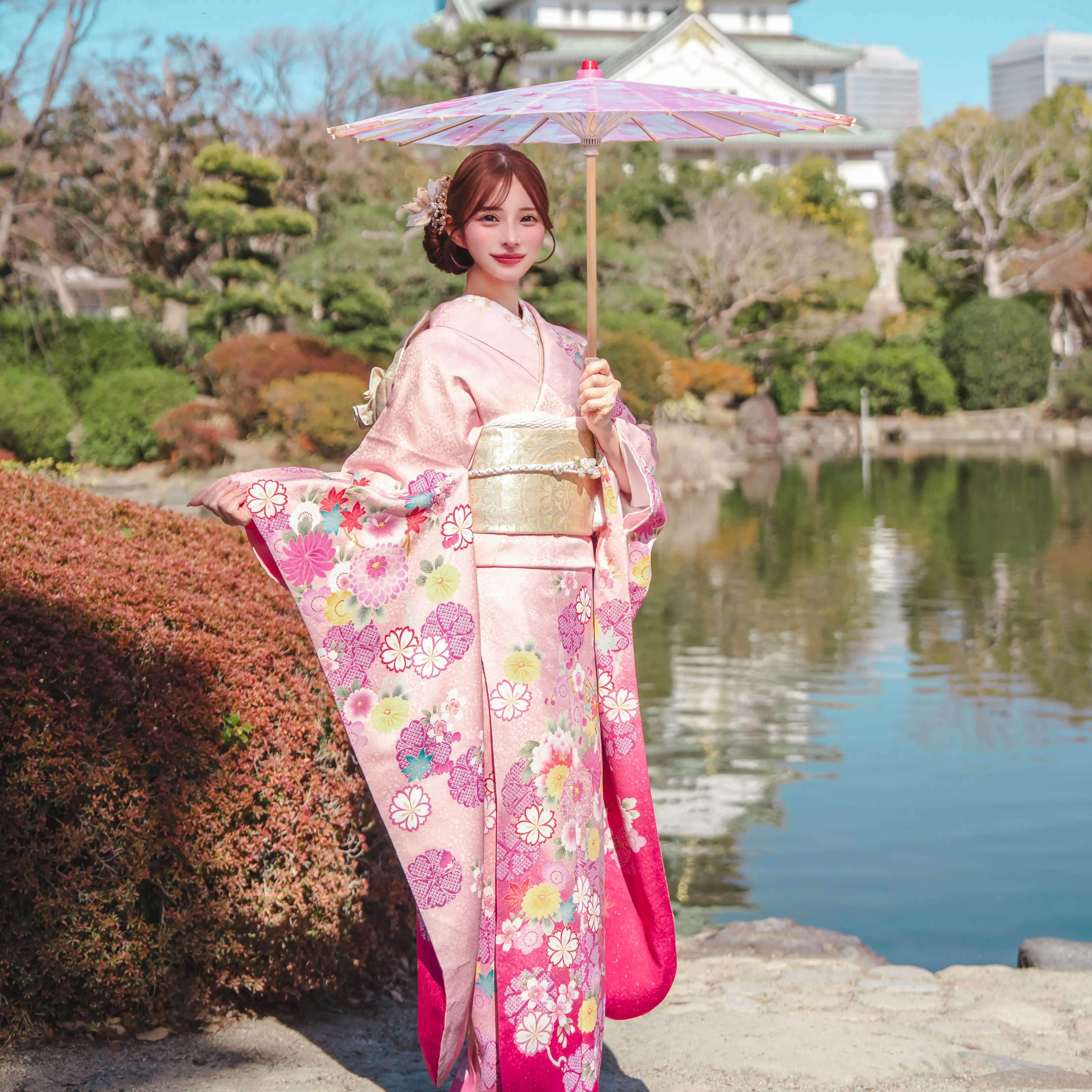
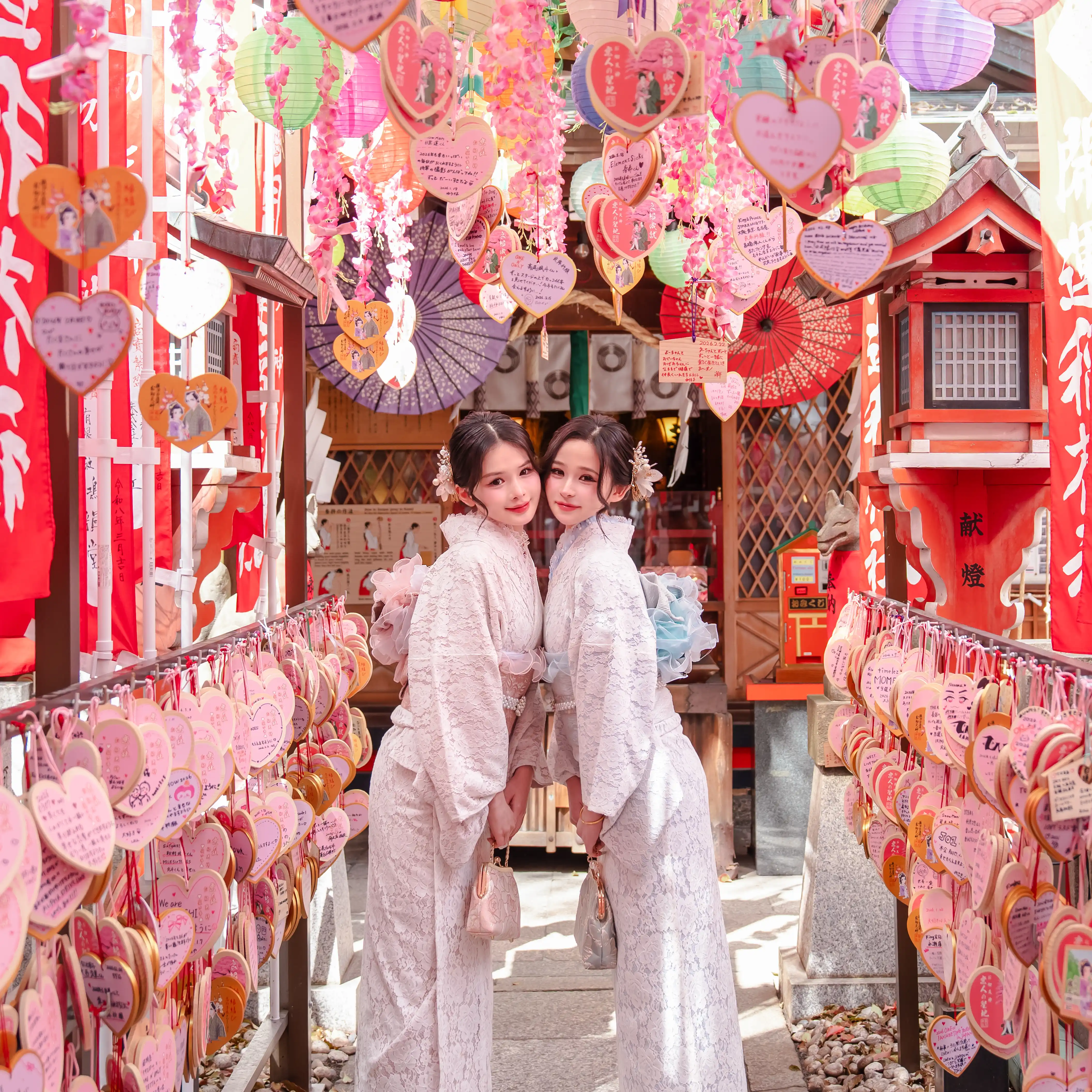
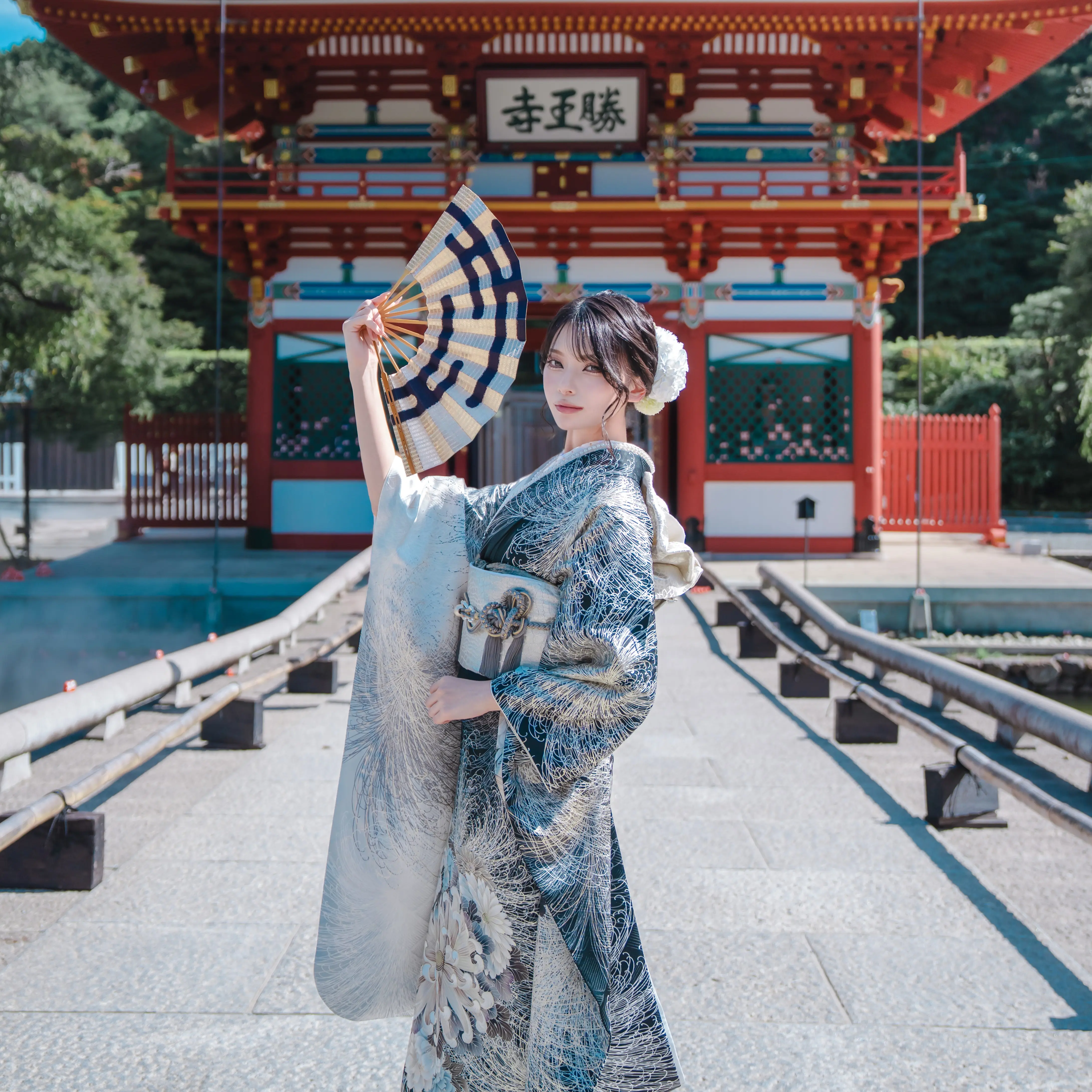
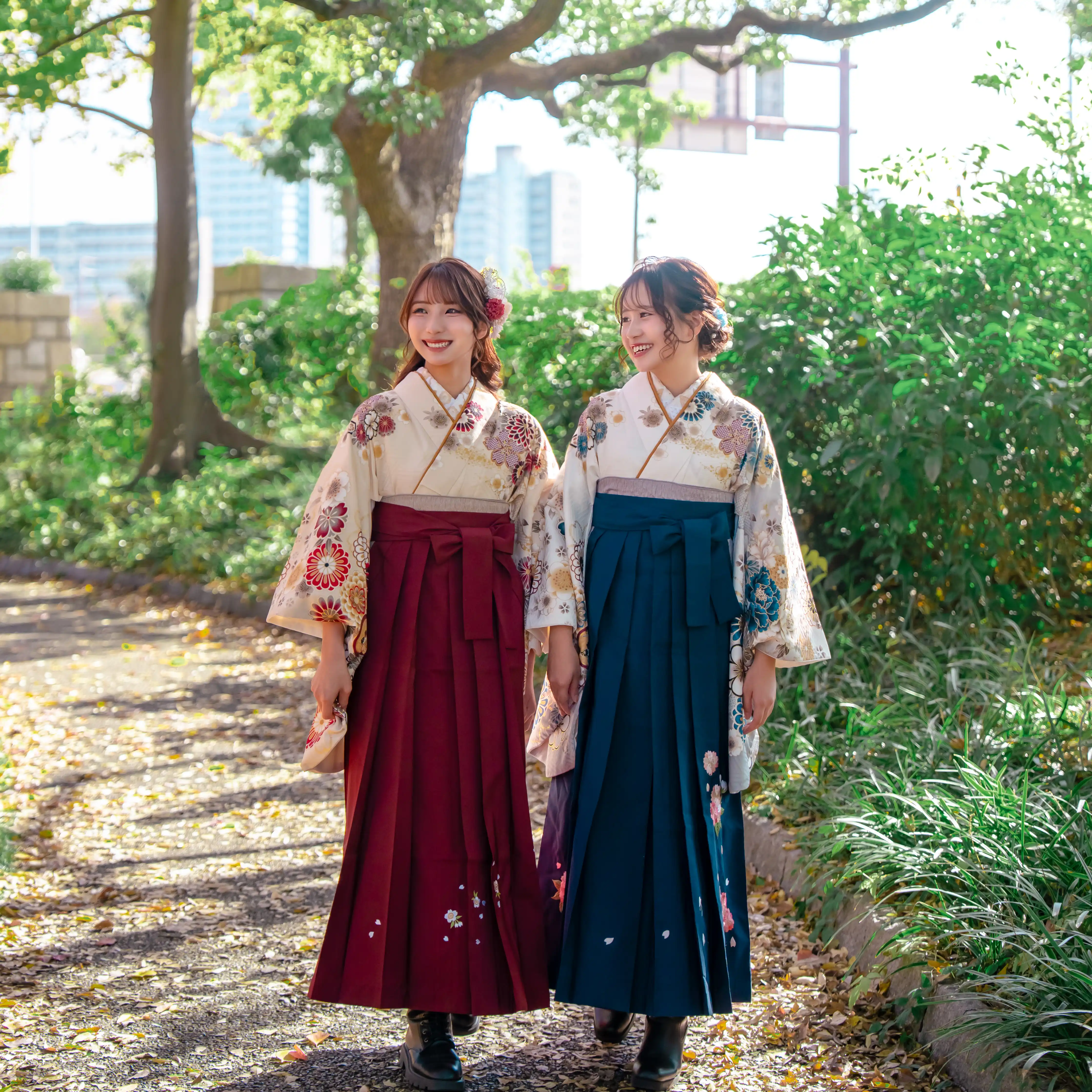
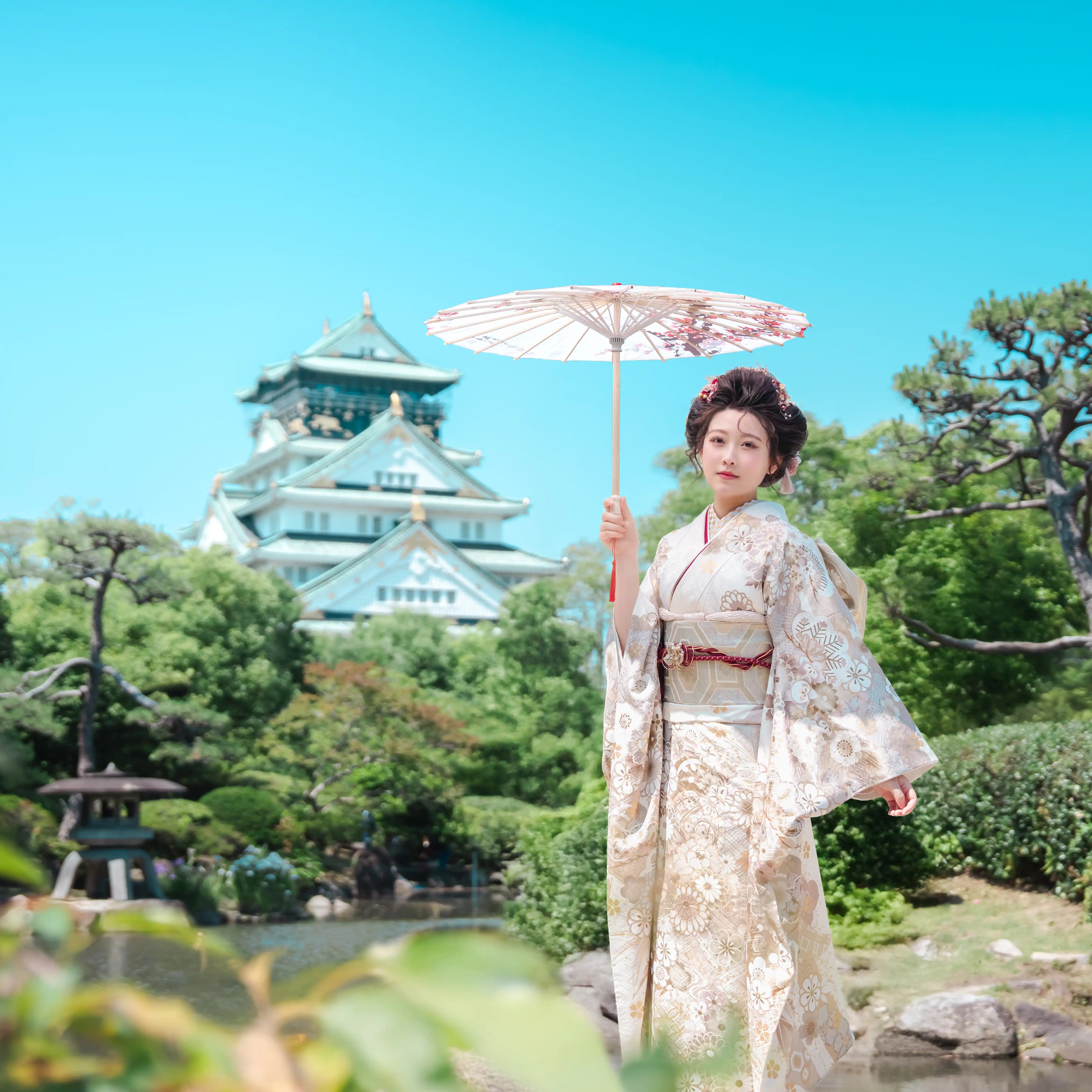
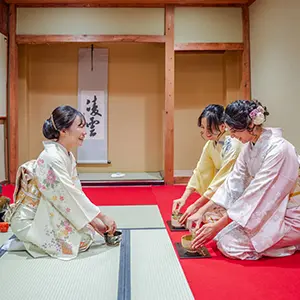
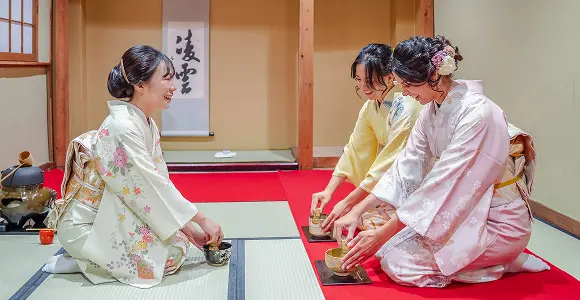
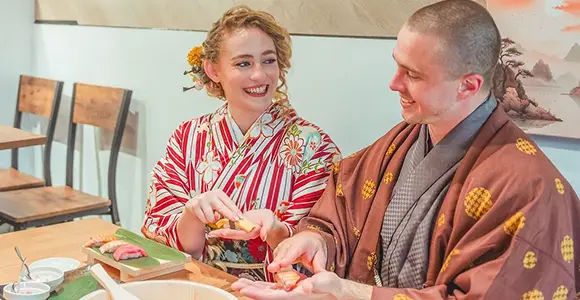
At Kawaii Osaka, visitors can learn basic tea ceremony manners, watch how tea is prepared and try whisking their own matcha in a traditional tea-room setting. A plan that includes kimono dressing allows you to experience the tea ceremony in traditional clothing and continue sightseeing around Namba and Dotonbori afterward.
No previous knowledge is required. The host demonstrates each movement and explains what to do as the experience progresses.
For travelers staying in central Osaka, the location also makes the experience easy to fit between sightseeing, shopping and dinner.
Explore Tea Ceremony and Kimono Experiences in Osaka
Tea Ceremony in Osaka at a Glance
The experience suits travelers who want to take part in Japanese culture rather than only observe it.
During a beginner tea ceremony, you can expect to learn how the host prepares matcha, how a guest receives the tea and how the utensils and surroundings contribute to the occasion.
Kawaii Osaka’s current experience page describes:
・A tea ceremony suitable for first-time participants
・Guidance from a tea ceremony instructor
・An introduction to basic manners
・The chance to prepare your own tea
・A traditional tea-room setting
・The option to combine the experience with kimono rental
・Sightseeing in kimono after the tea ceremony
・English- and Chinese-speaking assistance
The shop is in Soemoncho, near Namba and Dotonbori. This location works particularly well for visitors who want an indoor cultural activity without giving up an afternoon or evening in central Osaka.
You might book the experience when:
・Your Kyoto schedule is already filled with temples and shrines
・You want a quieter break from Osaka’s busy streets
・Rain or summer heat has changed your outdoor plans
・You would like to wear kimono for more than a photo session
・You plan to visit Hozenji Yokocho or Dotonbori afterward
What Is a Japanese Tea Ceremony?
The Japanese tea ceremony is commonly called
chanoyu,
sado or
chado.
At its simplest, a host prepares matcha for a guest. What distinguishes tea ceremony from an ordinary drink service is the attention given to the setting, utensils, season and interaction between host and guest.
The preparation follows an established sequence. The host cleans and handles each utensil with care, prepares the tea and presents the bowl to the guest. The guest receives it respectfully and follows several simple movements before drinking.
The ceremony reflects the Japanese idea of
omotenashi: looking after a guest with care and without expecting anything in return. Japan’s official tourism organization describes tea ceremony as an art form built around hospitality and the preparation of matcha.
More Than Drinking Matcha
A bowl of matcha can be ordered in many cafés across Japan.
A tea ceremony focuses on what happens around the drink.
You notice how the host prepares the space, where the utensils are placed and how the tea bowl is presented. Even small details—the bowl selected for the season, the flower arrangement or the pace of the movements—help shape the atmosphere.
Common tea utensils include:
・
Chawan — the tea bowl
・
Chasen — the bamboo whisk
・
Chashaku — the bamboo tea scoop
・
Natsume — a container used for powdered tea
The host’s movements may appear simple, but they are the result of long practice.
As a guest, you are not being tested. Your role is to watch, follow the explanation and enjoy the care that has gone into preparing the tea.
A Short History of Tea Ceremony and Sen no Rikyu
Tea reached Japan from China and became closely associated with Buddhist practice, the imperial court and the educated elite.
By the Muromachi period, tea gatherings had begun to develop their own Japanese aesthetics. Over time, some tea masters moved away from elaborate displays of expensive imported objects and placed greater value on restraint, simplicity and locally made utensils.
Sen no Rikyu became the most influential figure in this development.
Born in Sakai in 1522, Rikyu studied tea from a young age and later refined a style based on the
wabi aesthetic. He used small, rustic tea rooms and found beauty in simple materials and everyday objects. His approach helped establish tea ceremony as a disciplined “way of tea” rather than only a social gathering.
The principles commonly associated with Rikyu are:
・Harmony
・Respect
・Purity
・Tranquility
These principles continue to influence the way tea ceremony is practiced today.
Osaka and Sakai’s Connection to Tea Culture
Tea ceremony is often associated with Kyoto, but Osaka Prefecture has its own important connection to the tradition.
Sakai was a prosperous international trading city during the 15th and 16th centuries. Its merchants had access to imported goods, artworks and tea utensils, helping the city become an important center of tea culture.
Sen no Rikyu was born there, as was his teacher Takeno Joo. Sakai continues to celebrate its tea heritage through historic sites, tea rooms and events connected to Rikyu.
This history gives an Osaka tea ceremony more than geographical convenience.
It connects the experience to a tradition that developed within the wider Osaka region, even though Kyoto later became the place most international travelers associated with tea culture.
Why Try a Tea Ceremony in Osaka?
A Kansai itinerary can become crowded quickly.
A visitor may spend one day moving between Kyoto temples, another visiting Nara and the rest of the trip exploring Osaka. Adding another cross-city journey for a cultural activity is not always practical.
A tea ceremony near Dotonbori allows you to experience traditional culture while staying close to the rest of your Osaka plans.
Easy to Combine with Namba and Dotonbori
Kawaii Osaka is close to some of central Osaka’s most visited areas.
The tea ceremony can be combined with:
・Kuromon Market
・Nippombashi and Den Den Town
・Shinsaibashi
・Hozenji Yokocho
・The Dotonbori River
・Ebisubashi and the Glico sign
One possible route is to visit Kuromon Market in the morning, join the tea ceremony in the afternoon and continue toward Hozenji Yokocho and Dotonbori before dinner.
The contrast is part of the appeal.
The tea room gives you time to slow down and focus on a few deliberate movements. A short walk later, you are back among Dotonbori’s crowds, restaurant signs and riverfront nightlife.
How It Fits into a Short Kansai Itinerary
Many travelers spend only one or two full days in Osaka.
An experience in central Osaka reduces the time spent changing trains or returning to an area you have already left.
It can work well when:
・You are staying near Namba
・You arrive in Osaka during the afternoon
・You have dinner plans in Dotonbori
・You want a cultural experience after shopping
・Members of your group need a break from long sightseeing days
・Your Kyoto days already involve several fixed reservations
Choosing Osaka does not make the experience less meaningful. It simply allows you to include tea culture in a different part of your Kansai trip.
A Useful Indoor Activity on Rainy or Hot Days
Heavy rain or summer heat can make a full afternoon outdoors less appealing.
A tea ceremony offers time indoors without turning the day into a hotel day or shopping-only itinerary.
You can spend part of the afternoon in the tea room and return to Dotonbori later, when the rain has eased or the temperature has begun to fall.
The quieter pace may also appeal to families or couples who have already spent several days walking through Osaka, Kyoto and Nara.
What Happens During a Beginner Tea Ceremony?
A beginner experience introduces selected parts of tea ceremony in a format that visitors can follow.
The exact sequence depends on the host and plan, but you can generally expect a demonstration, an explanation of guest etiquette and an opportunity to prepare matcha.
Kimono Dressing and Entering the Tea Room
When your plan includes kimono, the experience begins with choosing the garment and coordinating the outfit.
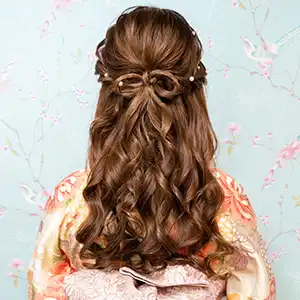
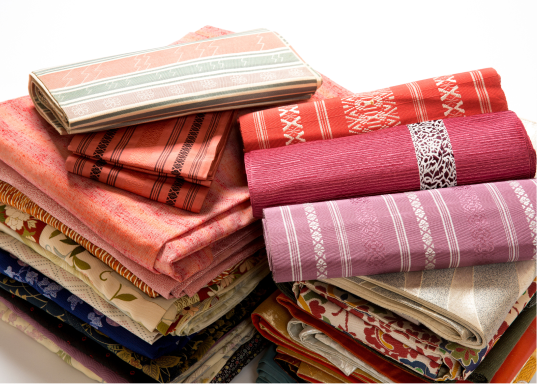
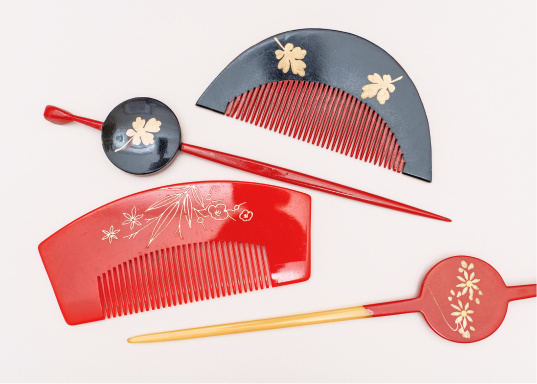
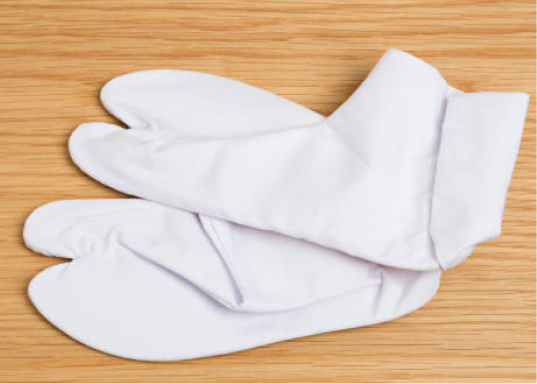
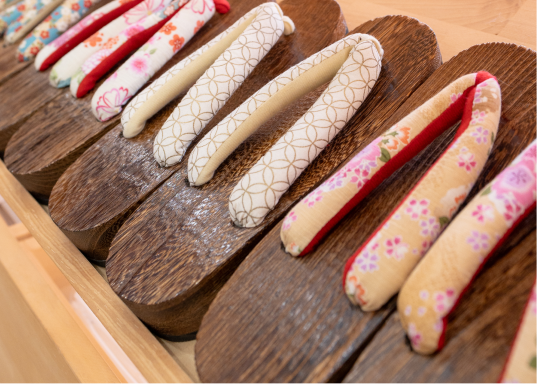
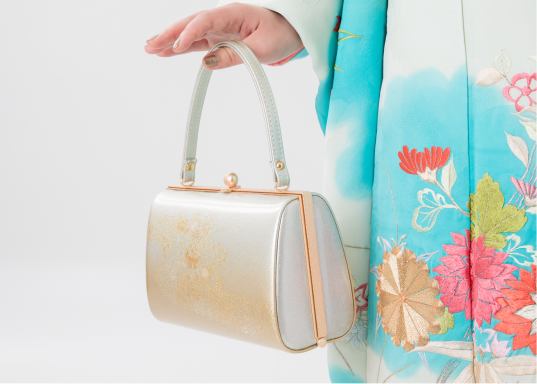
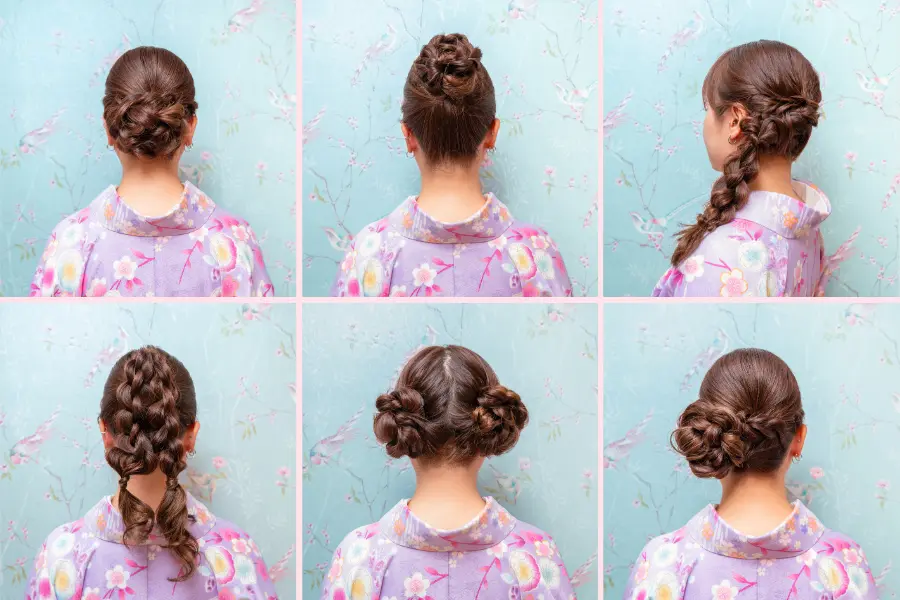
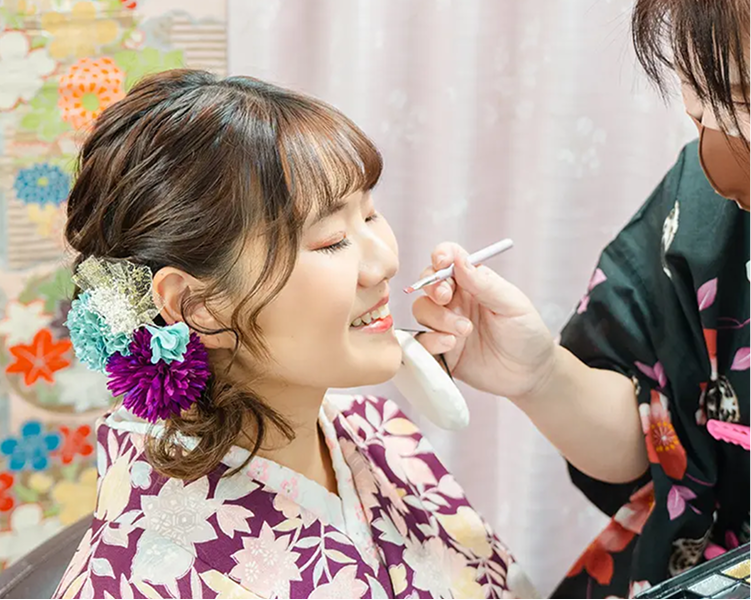
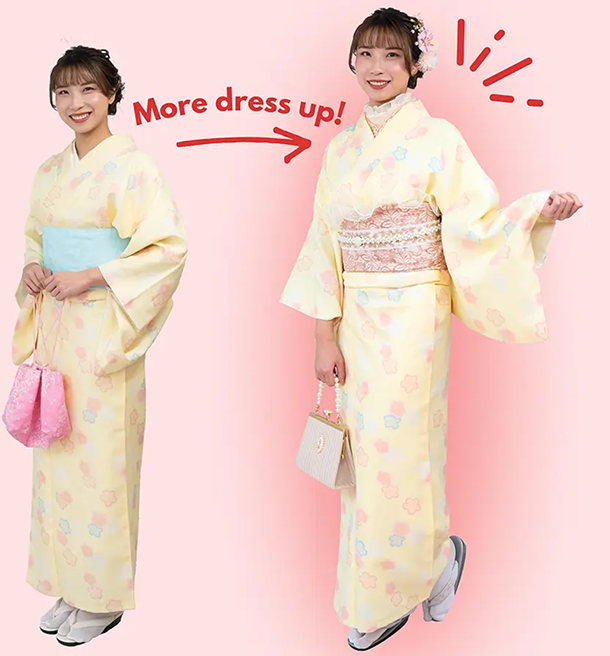
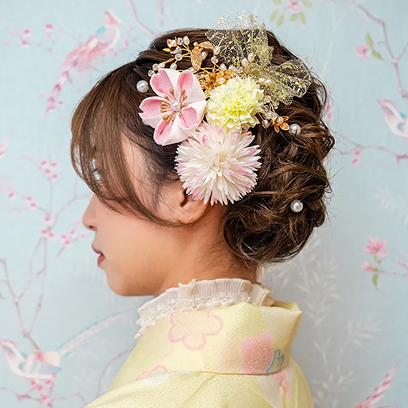
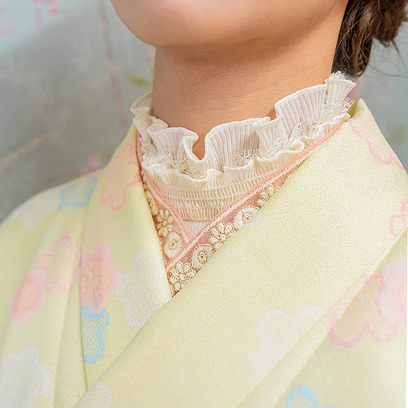
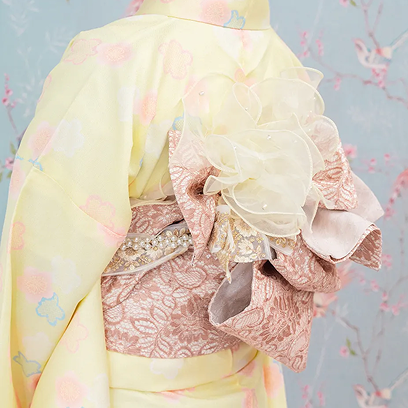
Staff can help with the kimono or seasonal yukata, obi, traditional footwear and accessories. Hair styling may also be available depending on the selected plan.
Wearing kimono changes the way you move.
The obi encourages a more upright posture. The sleeves make hand movements more deliberate, and shorter steps feel more natural.
These details are noticeable in a tea room, where each movement is calm and controlled.
Once dressed, you enter as a guest. The instructor shows you where to sit and explains the basic movements as they become relevant.
There is no need to rehearse the entrance or memorize a list of rules before arriving.
Wagashi, Matcha and Tea-Bowl Etiquette
Tea ceremony is often associated with
wagashi, traditional Japanese sweets served to complement matcha.
The sweet flavor is usually enjoyed before the tea and helps balance matcha’s rich, slightly bitter taste.
Wagashi designs often reflect the season through their colors, shapes and ingredients.
During the experience, the instructor may explain how to:
・Receive the bowl
・Hold it securely
・Turn it before drinking
・Drink the matcha
・Return the bowl to the host
The exact movements can vary between schools and types of gathering.
A beginner is not expected to perform them perfectly. Following the host’s demonstration is enough.
Whisking Your Own Matcha
Preparing your own bowl is one of the most hands-on parts of the experience.
Matcha powder and hot water are placed in the tea bowl. You then use a bamboo whisk to combine them.
The whisk is moved quickly through the water rather than stirred in a slow circle. With the right movement, a light foam begins to form across the surface.
Kawaii Osaka’s experience page specifically introduces the chance to make your own tea under the guidance of an instructor.
Your first bowl does not need to look perfect. The instructor can help you adjust the movement and angle of the whisk.
Do You Need to Know Tea Ceremony Etiquette?
No previous study is needed for a beginner experience.
Even many Japanese people have never attended a formal tea ceremony. Traveler discussions show that visitors often feel nervous because they fear moving incorrectly or disturbing the quiet atmosphere. Participants who receive clear guidance tend to become more comfortable once the experience begins.
Listen to the host, handle the utensils carefully and follow the movement being demonstrated.
That is enough for a first visit.
Can Foreign Visitors Join Without Experience?
Yes.
Beginner tea ceremonies are intended for people who are unfamiliar with the tradition.
You may be shown when to bow, how to receive the tea and how to hold the bowl. If you miss a movement or turn the bowl the wrong way, the instructor can guide you without interrupting the entire experience.
A useful attitude is:
・Watch before moving
・Follow the instructor’s pace
・Ask when something is unclear
・Handle the bowl and utensils carefully
・Treat the quiet atmosphere with respect
You do not need to imitate the confidence of someone who has studied tea ceremony for years.
Do You Have to Sit in Seiza?
Traditional tea ceremony commonly uses
seiza, a kneeling position with the legs folded beneath the body.
This can be uncomfortable for visitors with knee, hip or back problems.
Tell the provider before booking if you:
・Cannot kneel
・Need chair seating
・Find it difficult to sit on the floor
・Use a mobility aid
・Need extra time to sit down or stand up
A cultural experience should not require you to remain in pain.
Seating arrangements depend on the room and plan, so sharing your needs in advance gives the staff time to prepare an appropriate option.
Can You Take Photos?
Photography rules vary between tea rooms and between different parts of a ceremony.
Ask at the beginning:
“May I take photos during the tea ceremony?”
When photography is permitted:
・Turn off the flash
・Keep your phone away from the tea utensils
・Avoid standing while the host is preparing hot water
・Do not block the view of other guests
・Wait for an appropriate pause before taking posed photos
Kimono portraits are often easier to take before or after the demonstration, when you can move without interrupting the host.
Is a Tea Ceremony with Kimono Worth It?
It is most worthwhile for travelers who want context, participation and atmosphere—not only a bowl of matcha.
A café and a tea ceremony serve different purposes.
One is a convenient place to enjoy a drink. The other introduces the customs and thought behind how that drink is prepared and received.
Tea Ceremony vs Ordering Matcha at a Café
Choose a café when you mainly want to taste matcha and continue sightseeing.
Choose a tea ceremony when you want to understand:
・How matcha is prepared
・Why the utensils matter
・How the host welcomes the guest
・How the bowl is received
・Why the tea-room atmosphere is intentionally simple
・How wagashi and matcha are enjoyed together
Traveler discussions about whether tea ceremony is “worth it” often reach the same conclusion: tea and sweets are easy to find, but the ceremony provides the explanation and structured experience around them.
What Is Included Beyond Matcha and Wagashi?
A plan that combines tea ceremony and kimono can bring together several experiences in one location:
・Choosing traditional clothing
・Professional dressing
・Tea ceremony instruction
・Preparing matcha
・Learning basic etiquette
・Taking photos in kimono
・Continuing to nearby sightseeing areas
The benefit is not the retail value of the tea.
It is the opportunity to learn, participate and continue the experience outside the tea room without making several separate reservations across the city.
For a traveler with limited time, reducing transport and waiting can be as valuable as the activity itself.
View the Current Tea Ceremony and Kimono Experience
Is a Short Tea Ceremony Authentic or Just for Tourists?
A short beginner experience is not the same as a full formal gathering.
A formal
chaji can last several hours and may include a meal, thick tea, thin tea and carefully timed stages. Japan’s official tourism guide notes that many venues offer abbreviated ceremonies that are more practical for overseas visitors.
A shorter experience usually focuses on selected elements:
・The tea-room setting
・The relationship between host and guest
・Basic etiquette
・The preparation of matcha
・Traditional utensils
・Hands-on participation
Calling it beginner-friendly does not make it culturally empty.
A worthwhile introductory experience should explain what the movements mean and allow visitors to engage with the tea rather than treating the room only as a background for photographs.
Travelers looking for a highly formal or specialist experience may prefer a longer private ceremony. First-time visitors often benefit more from an accessible format with clear explanation in a language they understand.
How to Fit the Experience into a Dotonbori Day
The central location allows you to build the tea ceremony into an existing sightseeing route.
You do not need to make it the only activity of the day.
After Kuromon Market or Nippombashi
A practical route is:
・Visit Kuromon Market in the morning
・Explore Nippombashi or Den Den Town
・Walk toward Soemoncho
・Change into kimono and join the tea ceremony
・Continue to Hozenji Yokocho
・Walk along the Dotonbori River
This route keeps the day concentrated in central Osaka and avoids unnecessary train journeys.
It also creates a varied afternoon: a lively market, a quiet tea room and the evening atmosphere of Dotonbori.
Before Dinner and Nighttime Sightseeing
An afternoon appointment works well before dinner.
For example:
Early afternoon — Arrive for kimono selection and dressing
Mid-afternoon — Join the tea ceremony and prepare matcha
Late afternoon — Take photos around Hozenji Yokocho
Sunset — Walk beside the Dotonbori River
Evening — Have dinner near Ebisubashi or Soemoncho
Check the current duration and kimono return conditions when booking.
Leave enough time to enjoy the tea room and choose the outfit without treating every part of the experience as a race against the clock.
What to Check Before Booking
A few practical details will help you choose the right plan for your group.
Duration, Language and Group Size
Check:
・The experience start time
・The duration of the tea ceremony
・The total time when kimono dressing is included
・The languages offered
・Whether the session is private or shared
・The minimum and maximum group size
・Whether solo bookings are available
Kawaii Osaka advertises English- and Chinese-speaking staff and describes the tea ceremony as suitable for first-time visitors.
Arrive before the scheduled start so there is time for check-in and clothing selection.
Children, Chair Seating and Accessibility
Families should ask about:
・Minimum age
・Whether children prepare or drink matcha
・How long children need to remain seated
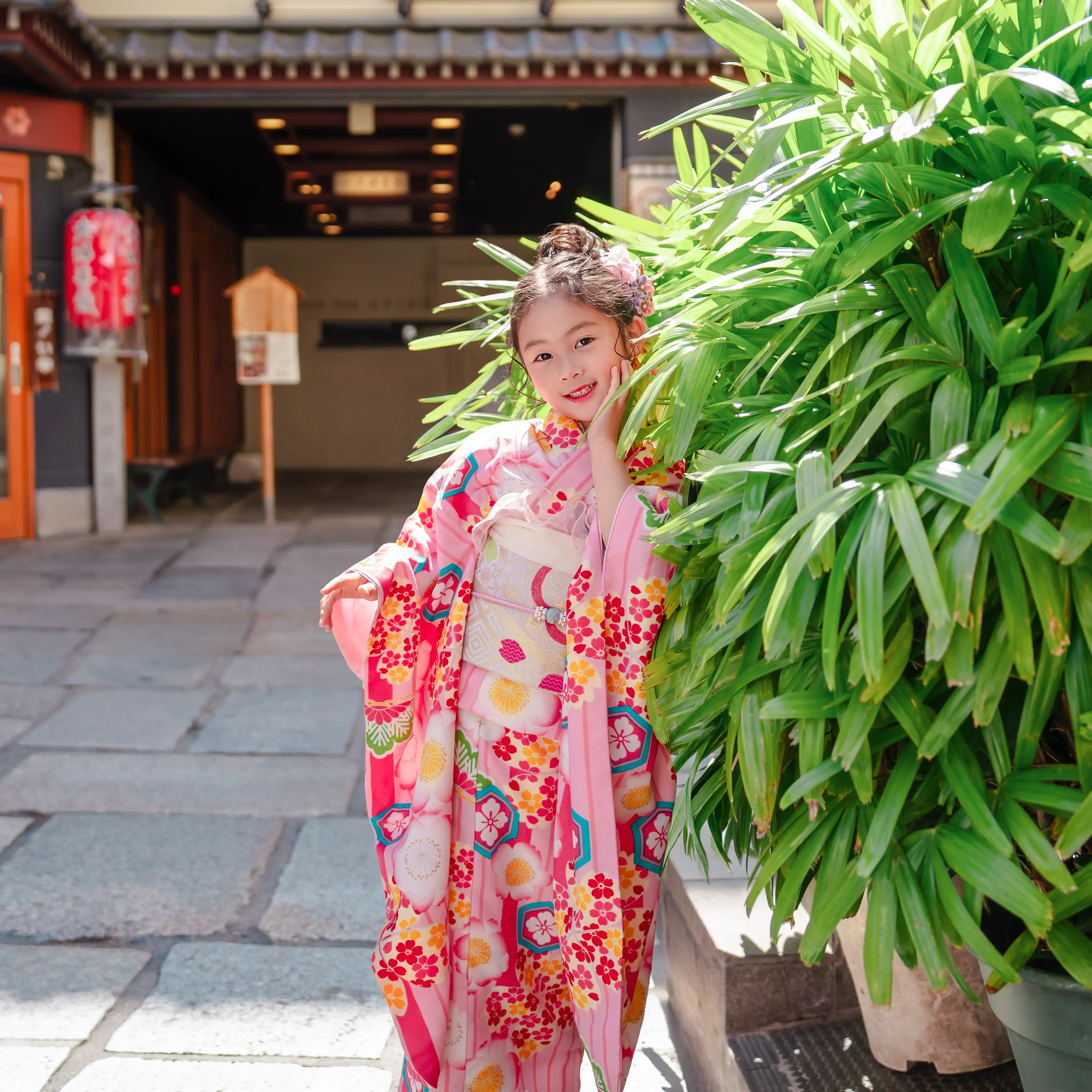
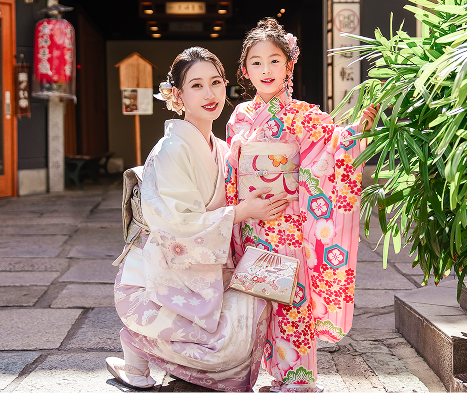
・Child-size kimono availability
・Chair seating
・Stroller storage
・Steps or narrow entrances
A child may enjoy whisking matcha but struggle with a long period of quiet sitting.
Choose the experience according to the child’s age and attention span rather than expecting perfect behavior throughout.
Visitors with mobility requirements should describe them when booking so the staff can discuss seating and access before arrival.
Caffeine, Allergies and Wagashi Ingredients
Matcha contains caffeine because the whole powdered tea leaf is consumed.
Travelers who limit caffeine should consider this before participating, particularly when booking for children or anyone who is sensitive to it.
Wagashi ingredients vary by type and season. Common ingredients can include beans, rice flour, wheat, sugar, sesame or other flavorings.
Tell the provider about:
・Food allergies
・Gluten restrictions
・Soy, nut or sesame allergies
・Vegetarian or vegan requirements
・Religious dietary restrictions
・The need to avoid caffeine
Ask which sweet or accompaniment is planned for your date and whether cross-contact can be avoided.
Frequently Asked Questions
Is a Japanese Tea Ceremony Religious?
Tea ceremony is not a religious service.
Its history and aesthetics were strongly influenced by Zen Buddhism, but modern tea ceremony is practiced as a cultural and artistic discipline.
Visitors do not need to follow a particular religion to participate.
Can I Join Without Speaking Japanese?
Yes.
Choose a session with instruction in a language you understand. Kawaii Osaka advertises English- and Chinese-speaking assistance.
The visual demonstration also makes many of the movements easy to follow.
Is Matcha Very Bitter?
Matcha has a rich, grassy flavor with some bitterness.
The taste depends on the tea, water temperature, quantity and whisking method.
Traditional sweets are often enjoyed before the tea to balance its stronger flavor.
Does Matcha Contain Caffeine?
Yes.
Matcha contains caffeine, although the amount varies according to the serving and preparation.
Mention caffeine restrictions when booking.
Can Children Join?
Children may be able to participate depending on the plan and age requirements.
Ask whether children will drink matcha, whether an alternative drink is available and how long they will need to remain seated.
Can I Sit on a Chair Instead of the Floor?
Ask before booking.
Traditional tea rooms often use floor seating, but alternative arrangements may be available depending on the venue.
Explain any knee, hip, back or mobility concerns in advance.
Can I Take Photos?
Ask the instructor at the beginning.
Some parts of the experience may be suitable for photography, while others require guests to remain seated and attentive.
Keep the flash off and avoid interrupting the host.
Do I Have to Wear Kimono?
Kimono is not required to understand or enjoy tea ceremony.
It adds traditional clothing, professional dressing and more opportunities for photographs.
Choose the plan that best matches the experience you want.
Can I Continue Sightseeing in Kimono?
Plans that include kimono rental may allow you to continue sightseeing after the tea ceremony, subject to the rental return conditions.
Kawaii Osaka specifically presents sightseeing in kimono after the ceremony as part of its experience.
Confirm the return deadline before leaving.
Explore Tea Ceremony and Kimono Experiences in Osaka
A tea ceremony near Dotonbori offers a calm pause in one of Osaka’s busiest neighborhoods.
You can watch the host prepare matcha, learn the meaning behind several movements and try using the bamboo whisk yourself.
With a kimono plan, the experience continues after you leave the tea room. Hozenji Yokocho, the Dotonbori River and the lights around Ebisubashi are all nearby.
It works particularly well for first-time visitors who want a cultural activity that feels approachable, fits comfortably into an Osaka itinerary and offers more than a quick photo or café stop.
Explore Tea Ceremony and Kimono Experiences at Kawaii Osaka

 06-6732-8070
  KIMONO RENTAL
SET CONTENT
KIMONO RENTAL
SET CONTENT
 KIMONO RENTAL
HAIR SET/MAKE UP
KIMONO RENTAL
HAIR SET/MAKE UP
 KIMONO RENTAL
Accessories for Kimono & ITEMS
KIMONO RENTAL
Accessories for Kimono & ITEMS
 WAGASA
 KATANA
 LOCATIONSHOOTING