Kimono Meets Street: Styling Osaka’s Urban Energy with Tradition
TOPICS
2025.08.21
Kimono Meets Street: Styling Osaka’s Urban Energy with Tradition
kimono rental
How to Wear Tradition Boldly in Japan’s Most Expressive City
When people think of wearing kimono in Japan, they often imagine quiet temples, stone gardens, and soft cherry blossoms.
But if you’re in Osaka, there’s another side to the story.
This is a city of contradictions.
Of neon and nostalgia.
Of concrete and kindness.
Of street art, back alleys, high fashion, and deep tradition—blended into something uniquely alive.
And here, wearing a kimono isn't just about elegance.
It’s about expression.
Welcome to the new frontier of kimono culture: where tradition walks hand-in-hand with street style, and where you get to define what “Japanese beauty” means to you.
Why Osaka Is the Perfect Place for Kimono with Edge
Unlike the more reserved atmosphere of Kyoto or Tokyo, Osaka has energy.
It’s bold. Friendly. Loud in the best way.
Locals speak casually. Food is eaten on the street. Fashion is playful, not perfect.
This makes it the ideal place to experiment with kimono in new ways. Whether you’re into pastel lace aesthetics, vintage with sneakers, or bold color blocking, Osaka gives you space to be creative.
And shops like Kawaii Osaka are leading the way—offering styles that go far beyond traditional.
1. Modern Lace Kimono: Soft Textures, Hard Impact
At first glance, lace kimono look delicate.
But on the streets of Osaka, they’re a quiet rebellion.
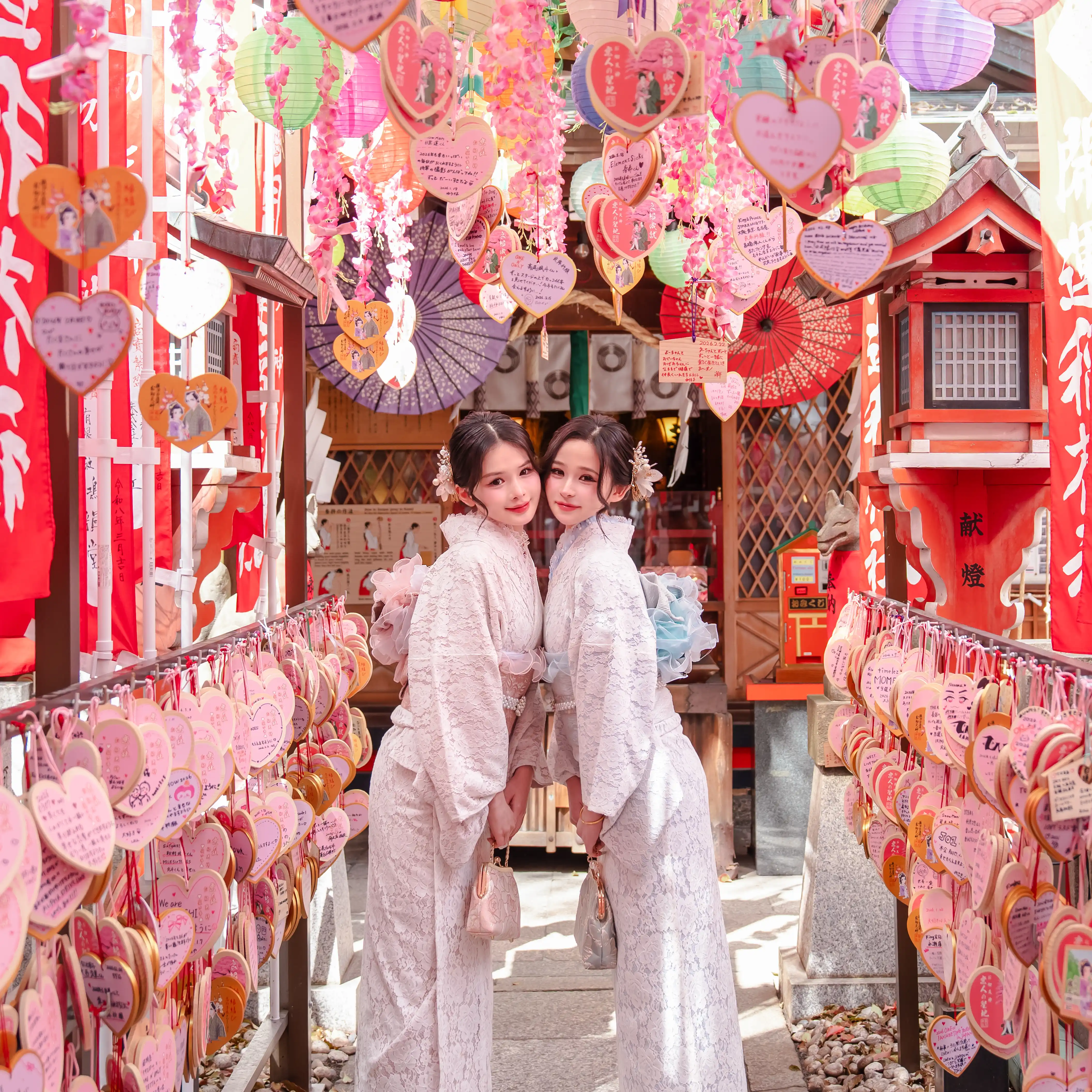
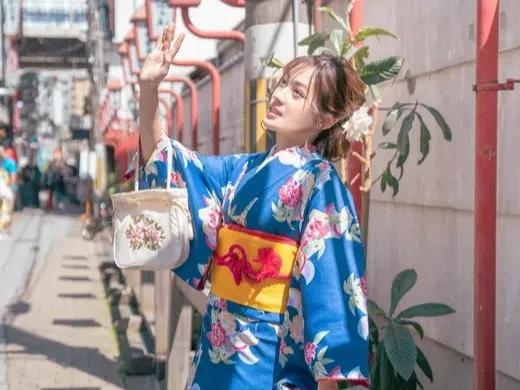
Available in white, beige, rose, and soft grey, these pieces layer Western femininity with Eastern form. Paired with leather boots, pearl accessories, or a beret, you suddenly have a look that belongs on both a temple path and a city runway.
Perfect for:
Exploring vintage cafés in Nakazakicho
Soft girl fashion meets tradition
Editorial-style photos near concrete walls or quiet alleys
Style tips:
Add a small purse with gold accents, or wear ankle boots instead of sandals for contrast.
2. Street Style Mix: Kimono + Sneakers, Oversized Jackets, and Attitude
This isn’t cosplay. It’s a statement.
More and more young Japanese creatives are styling traditional kimono with streetwear staples: high-top sneakers, graphic t-shirts underneath, bomber jackets over the top.
It’s bold, maybe even shocking to some—but incredibly cool.
If you’re someone who loves self-expression and making fashion personal, this is your lane.
Perfect for:
Day trips to Amerikamura (American Village)
Urban explorers and fashion-forward travelers
Anyone who wants their Osaka look to go viral
Style tips:
Ask Kawaii Osaka about minimalist patterns or geometric prints. Layer with streetwear accessories like chunky rings or oversized scarves.
3. Pop Color Explosion: When the City Is Your Backdrop
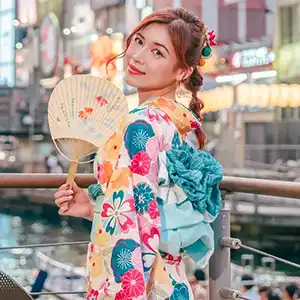
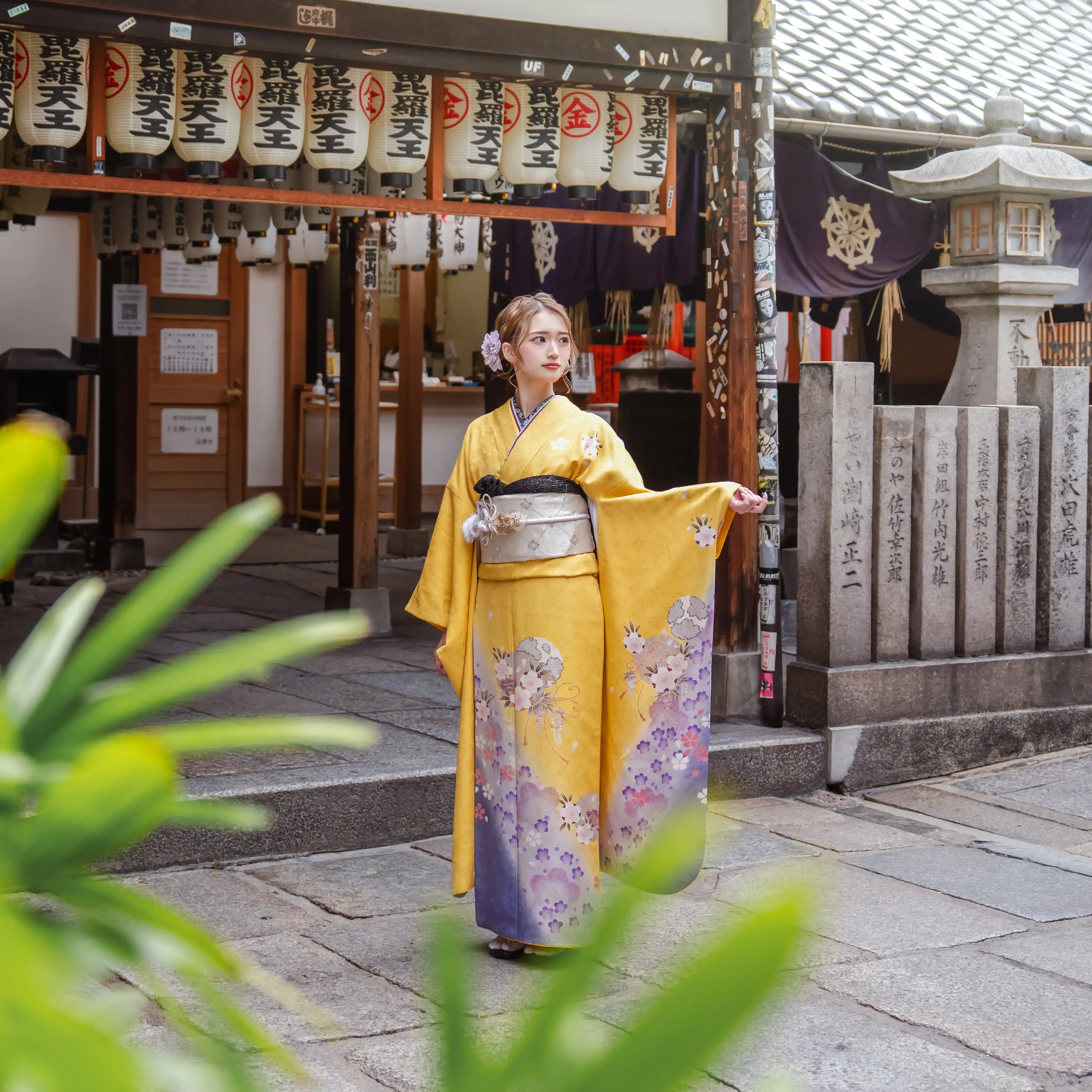
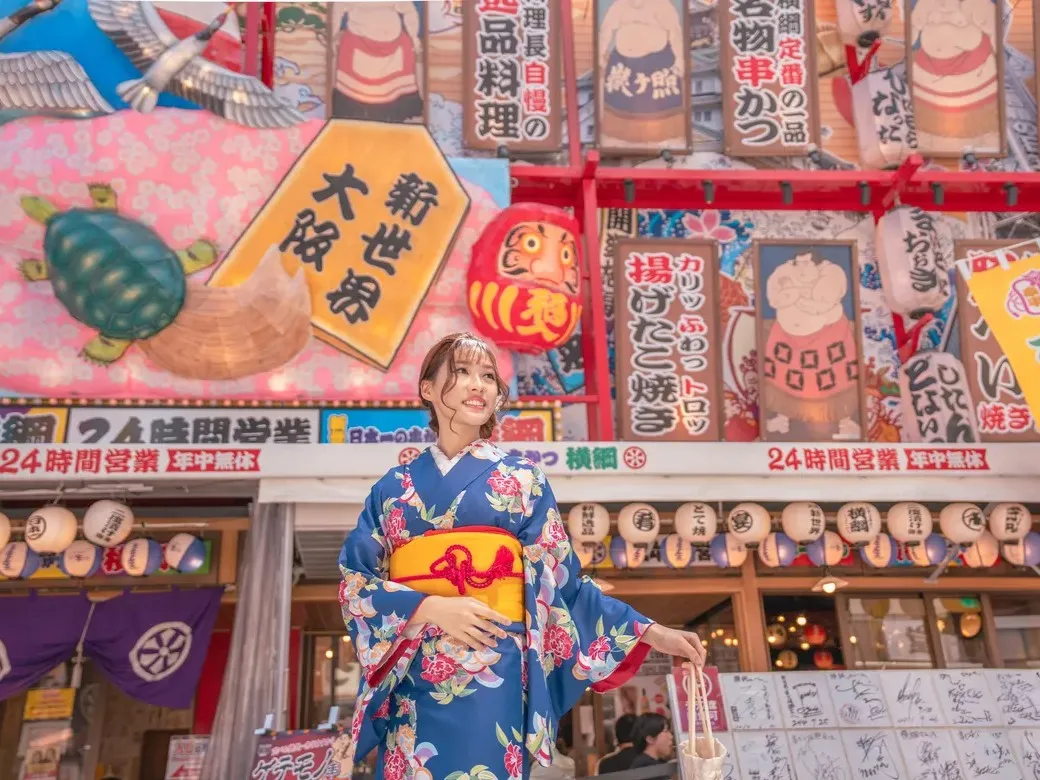
Bright yellow kimono with turquoise obi. Hot pink with metallic gold. Neon green paired with traditional indigo.
This might sound intense—but in Osaka, it just works.
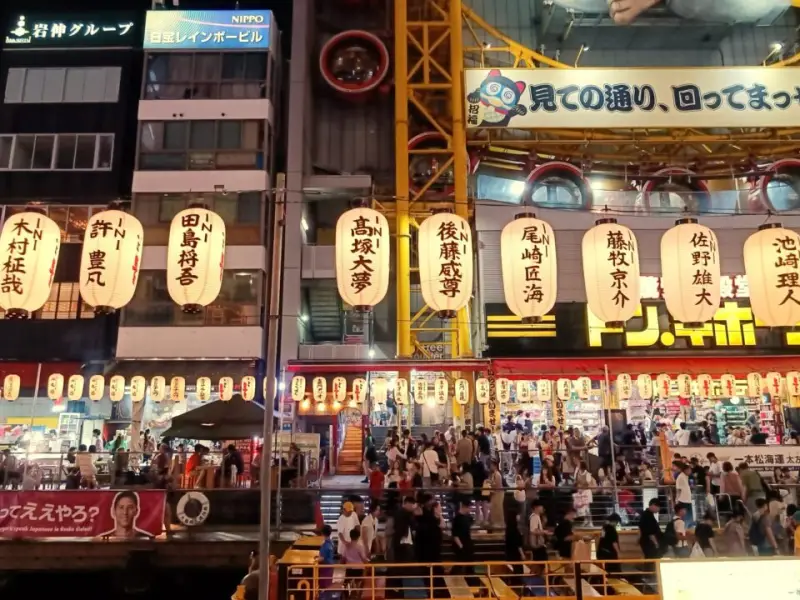
If you love playful fashion and want to match the energy of Dotonbori’s neon lights, a pop-color kimono is your perfect match.
These styles are cheerful, unexpected, and camera-ready.
Perfect for:
Photo walks after dark along the canal
Girls’ trips and group selfies
Standing out without saying a word
Style tips:
Coordinate with bold lipstick, colored eyeliner, or even fun sunglasses. Your photos will look like a J-pop album cover.
4. Retro with a Twist: 1960s Vibes in Kimono Form
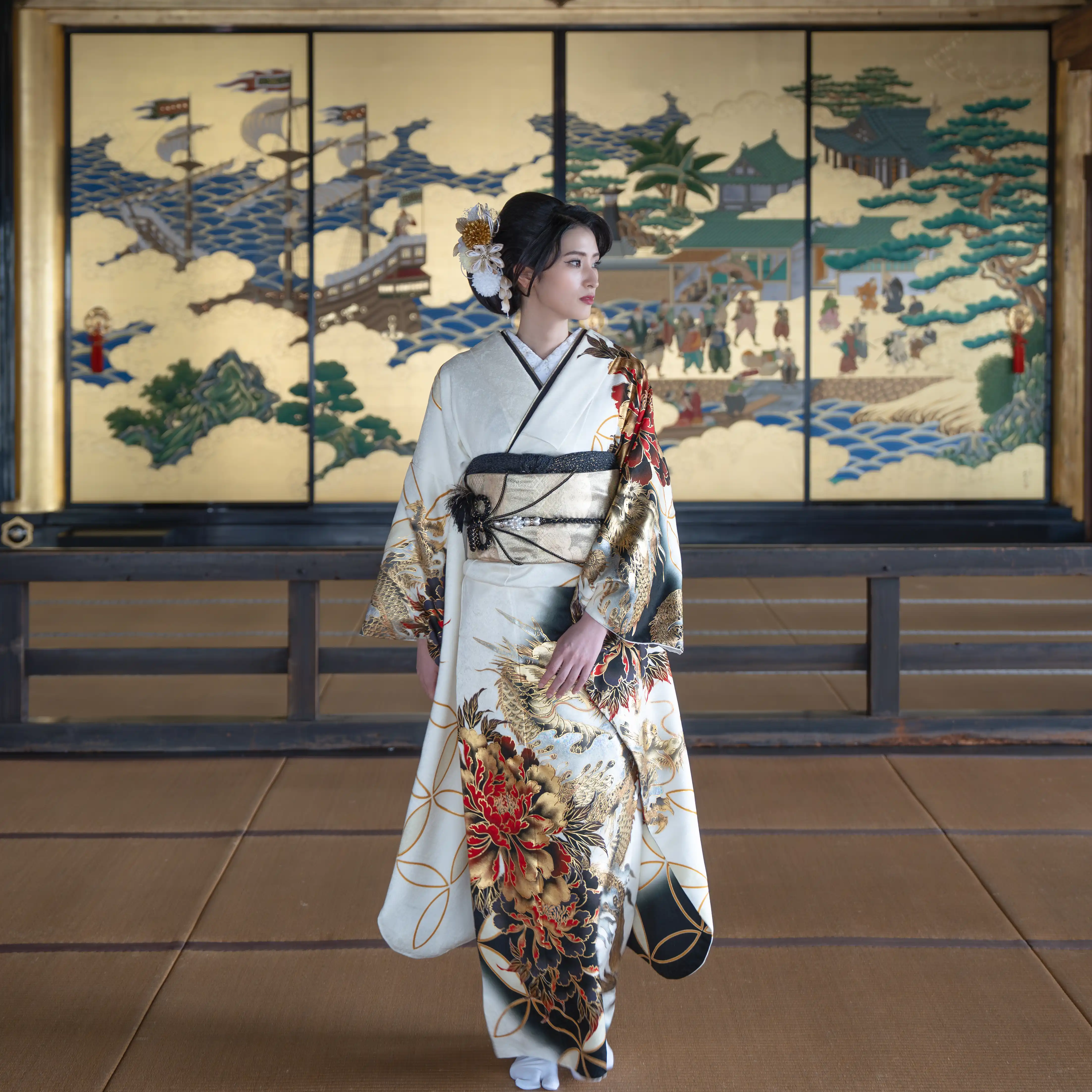
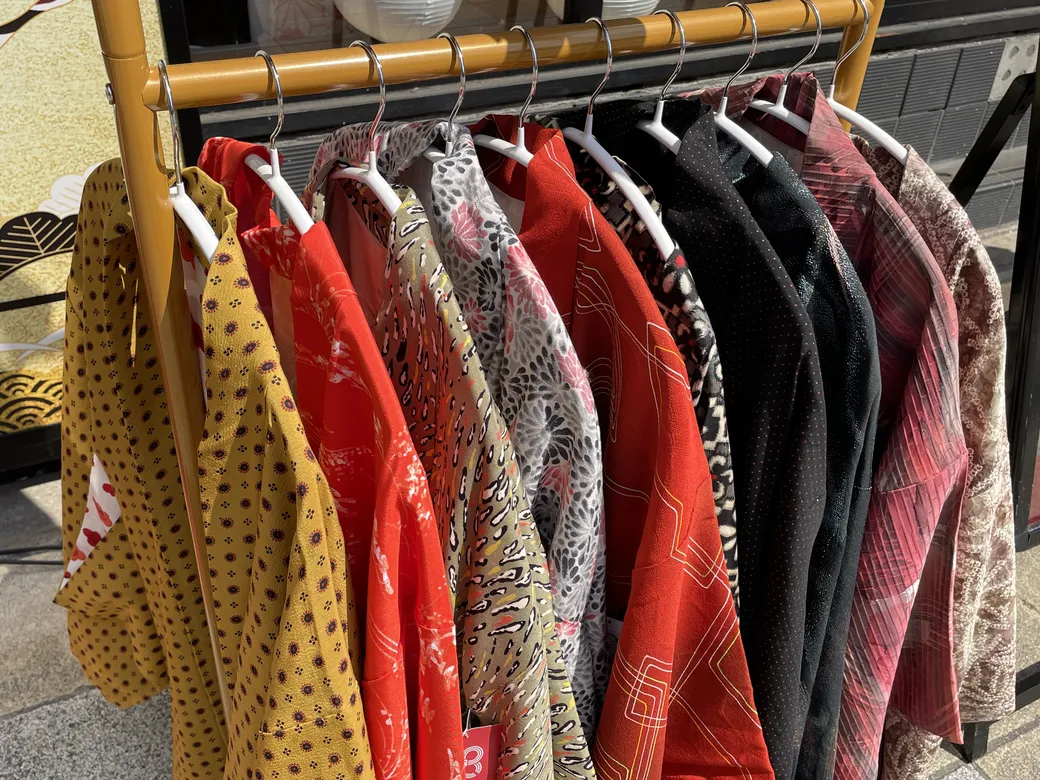
Vintage-style kimono in mustard, teal, burnt orange, and deep olive are surprisingly modern when paired with round sunglasses, chunky belts, or platform shoes.
This style feels nostalgic without being costume-like. Think: Showa-era glam meets indie fashion blogger.
Perfect for:
Slow afternoons in old shopping arcades
Visiting retro kissaten (coffee shops)
Solo travelers with a taste for moodier, cinematic looks
Style tips:
Use black-and-white filters or grainy film mode on your camera. Let the atmosphere do the storytelling.
5. Couple or Friend Coordination: Traditional Meets Playful Pairing
Who says kimono coordination has to be traditional?
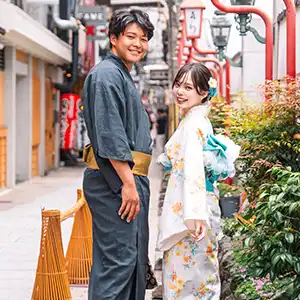
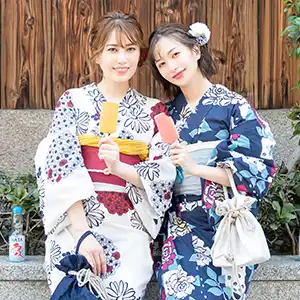
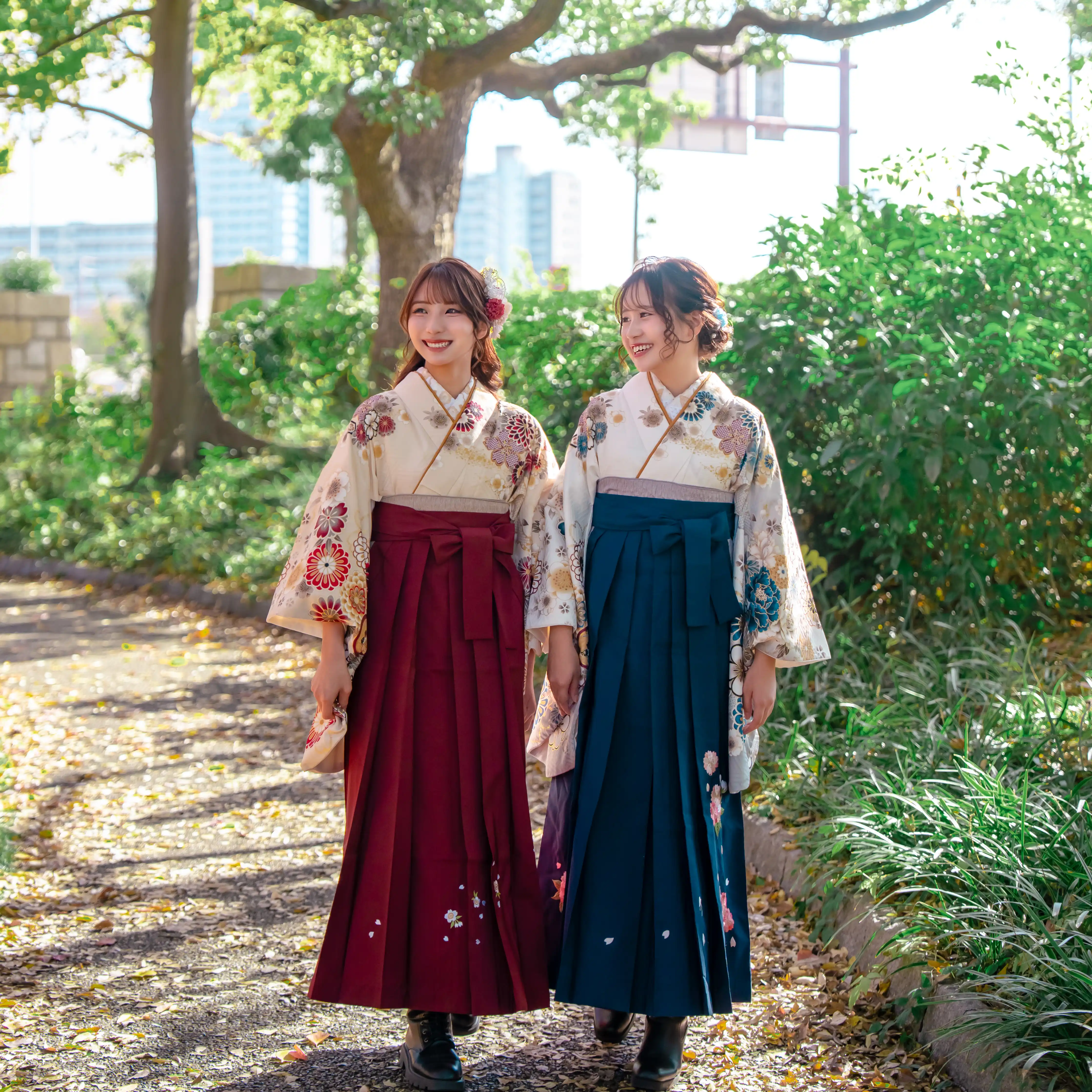
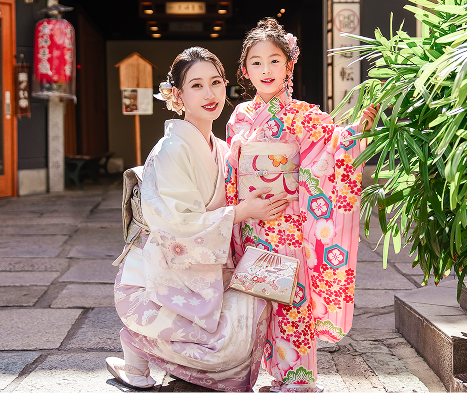
In Osaka, couples or friends often rent kimono in contrasting styles—one person in soft pastels, the other in bold prints. One in modern lace, the other in classic navy. This unexpected pairing becomes a powerful visual duo.
It’s not about matching.
It’s about complementing.
Perfect for:
Capturing your unique relationship in photos
Playful expression without losing cultural touch
Breaking rules with respect
Style tips:
Coordinate accessories (like both wearing the same type of bag or a shared color theme) to visually link your looks.
How Kawaii Osaka Supports Your Style Freedom
Kawaii Osaka isn’t just a kimono rental shop.
It’s a fashion experience space.
Their collection goes far beyond tradition. They offer:
Lace kimono and sheer overlays
Vintage pieces with bold character
Color-rich options for dramatic impact
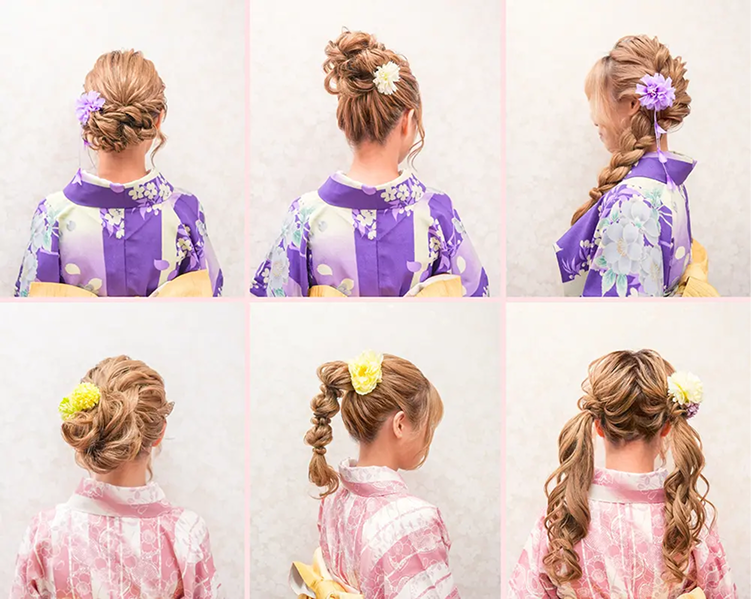
Customizable hair styling for modern or retro vibes
Staff who understand aesthetics, not just clothing
You don’t need to know how to dress yourself. They’ll help.
You just need a vision—or even a feeling—and they’ll translate it into fabric, form, and flow.
Where to Take Your Urban Kimono Look in Osaka
Some spots in the city pair perfectly with modern kimono style:
Amerikamura (American Village)
Street art, second-hand shops, music culture. Go bold.
Shinsaibashi-Suji Arcade
Covered walkways with bright lights and fashion-forward crowds.
Namba Yasaka Shrine
A surreal lion-head-shaped shrine that matches maximalist kimono energy.
Orange Street (Horie)
Osaka’s answer to Brooklyn—full of designer boutiques and lifestyle cafés.
Final Words: Tradition Is Not a Cage
Too often, we think of kimono as something fragile.
Something you have to wear just right, in the correct way, at the proper place.
But in Osaka, you learn something else:
Tradition is alive. It breathes. It evolves. And it belongs to everyone who wears it with care.
So if you’ve ever thought kimono “wasn’t your style”—think again.
There’s a version of it that fits who you are. And in this city, you’re free to find it.
Because Osaka doesn’t want you to blend in.
It wants you to show up boldly, walk with confidence, and wear your story with pride.
Why not perfect your look down to your feet for that special occasion? Kawaii Osaka offers full ensembles, allowing you to pick everything from the kimono to the obi and traditional sandals. Express your personal style and make the most of your Osaka adventure in a look you love.
Kimono
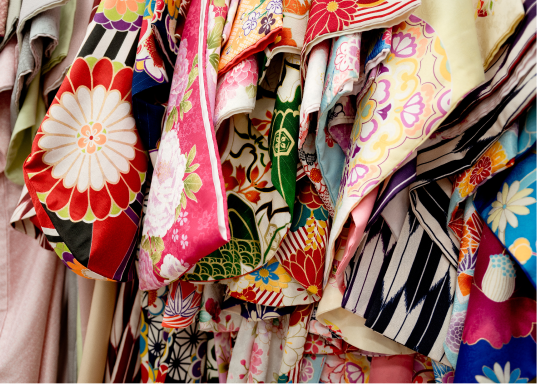
Our curated kimonos are perfect for sightseeing, strolling, and photography, making every occasion truly special.
Obi
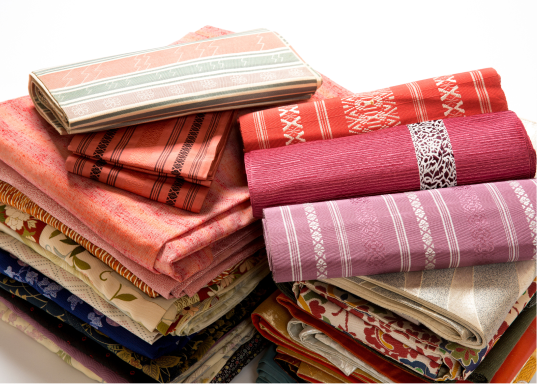
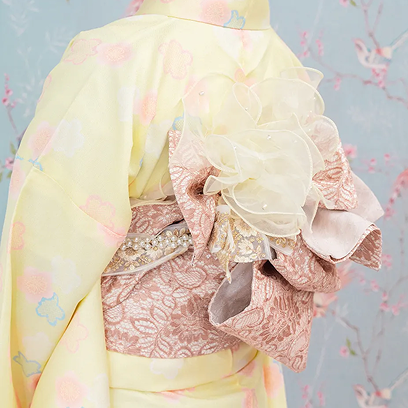
Vital for both fit and beauty, different knotting styles can totally transform your kimono look.
Accessory
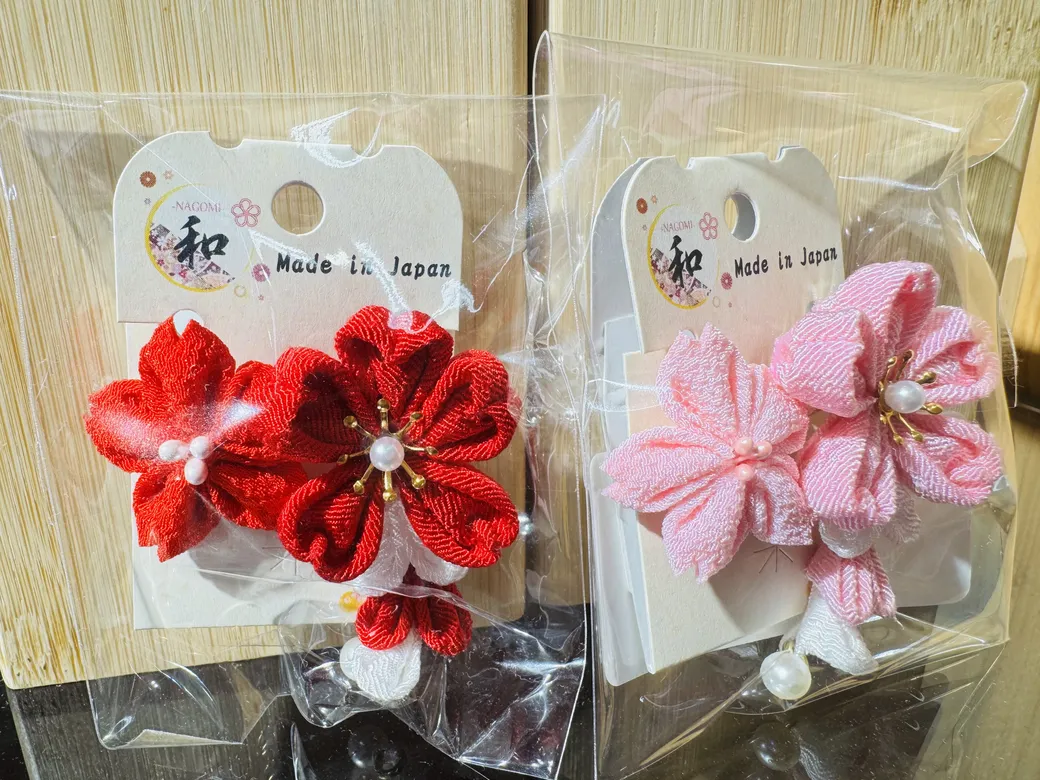
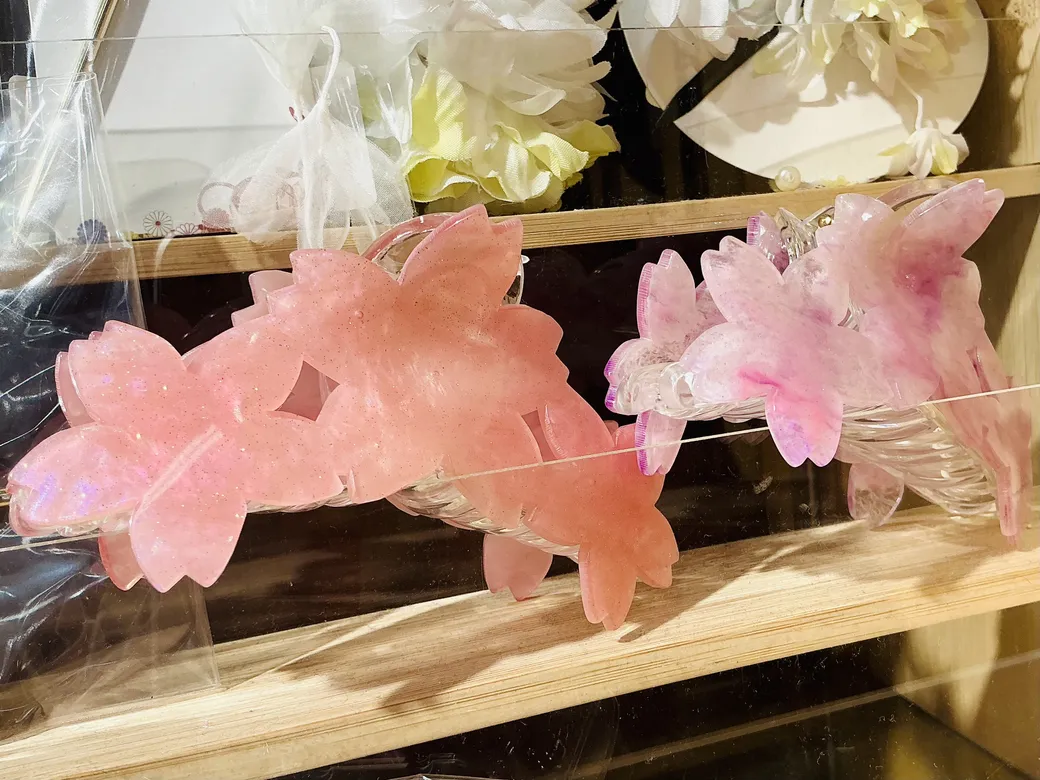
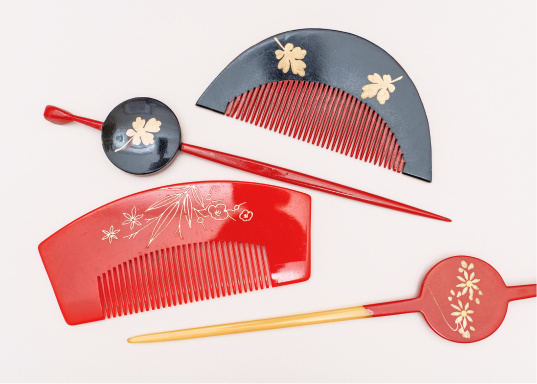
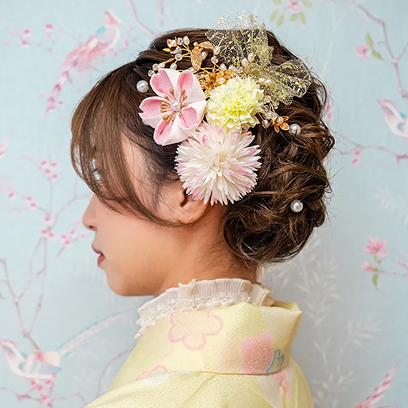
Accessories such as hairpins add color to your outfit and are an important accent that expresses the season.
Tabi
These split-toe socks are for sandals. They are vital and make your traditional look complete.
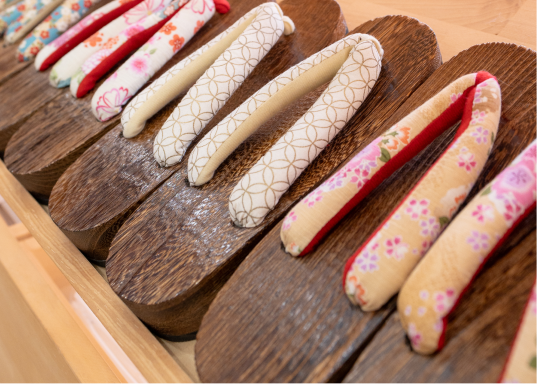
Sandals
Perfect for traditional attire, our high-cushioned sandals provide comfort for sightseeing and walking around town.
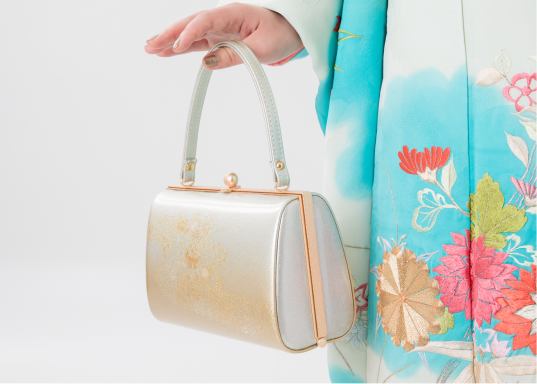
Bag
Carry your essentials in elegant style. Crafted to perfectly match your kimono, these bags highlight your unique look.
KIMONO RENTAL
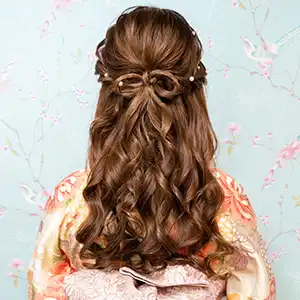
HAIR SET/MAKE UP
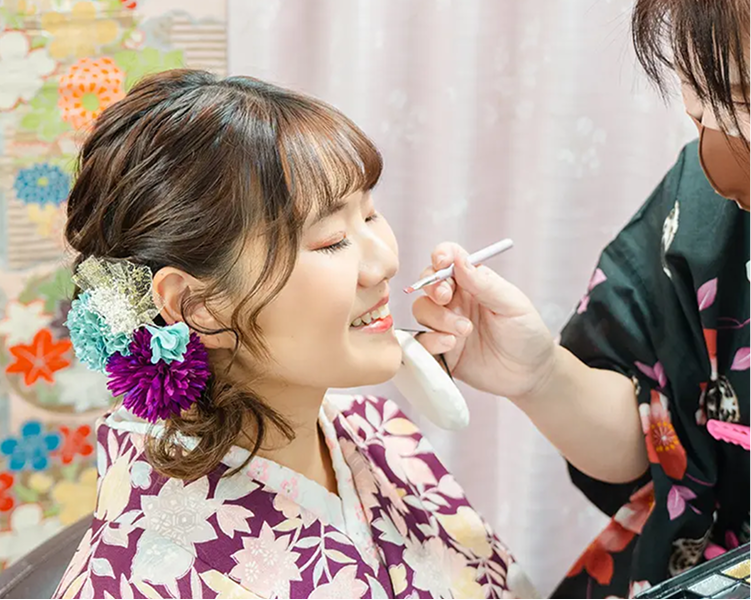
Why not take your beauty to the next level by adding some hair styling and makeup to your favorite outfit?
If you look photogenic from all angles, your walk around Osaka will be even more appealing.
With a perfect head-to-toe style, create memories you'll want to look back on forever!
HAIR SET
ADD HAIR SET
It won't come undone even if you walk around Osaka all day, and it looks great in photos!
Why not combine it with kimono rental and experience the professional finishing touches?
Your makeup will stay in place even if you spend the whole day eating and taking photos, so you can enjoy sightseeing in Osaka with peace of mind.
We will make every scene of your trip even more vivid.
¥5,500(tax included)
KIMONO RENTAL
Accessories for Kimono & ITEMS
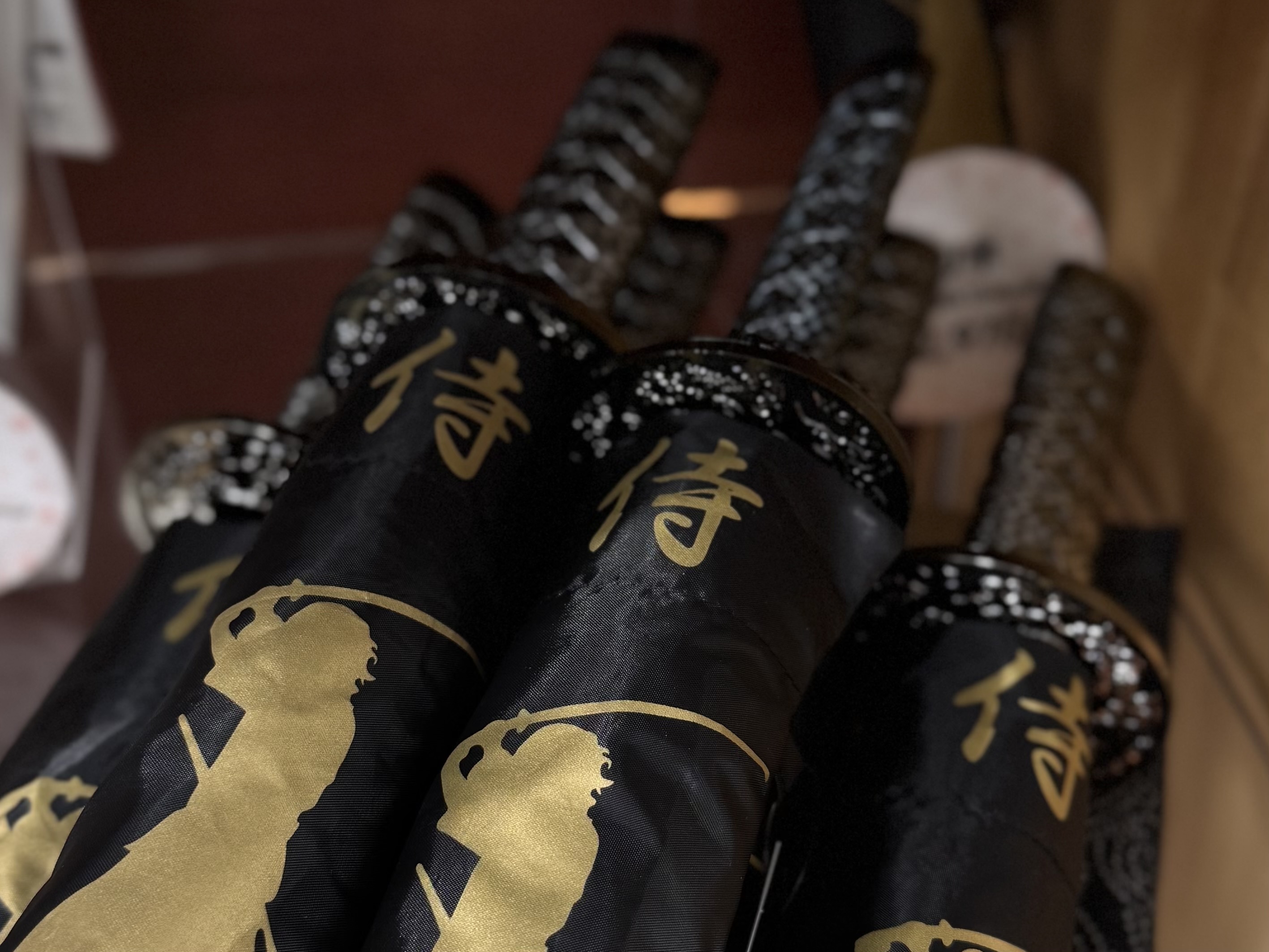
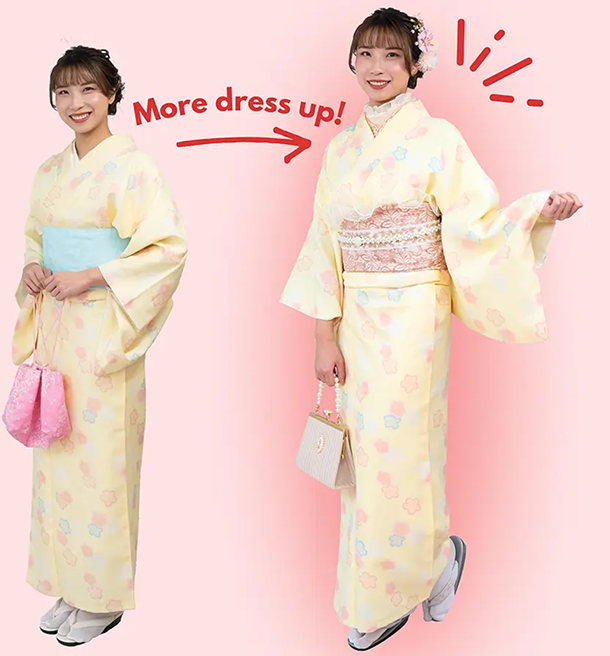
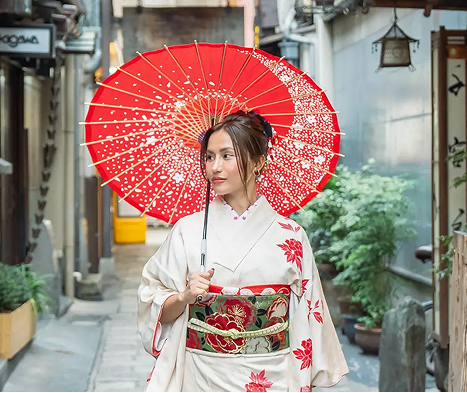
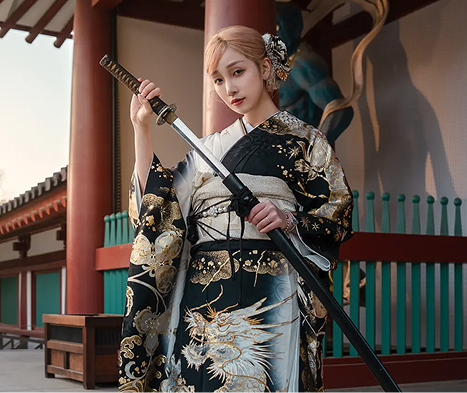
Sweet with lace, dramatic with swords. Freely arrange to add a vibrant impact to your usual style.
Attention to detail will beautifully decorate your special day.
1Accessory
¥550(tax included)
Unlimited Accessories
¥2,200(tax included)
※Note: This is not included in the basic kimono plan.
POPULAR OPTIONS
Hair Accessories
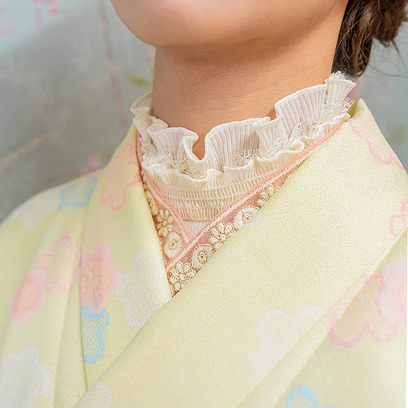
Lace Collar
Obi Accessories
If you would like other options, please ask our staff at the store.
Do you have limited time but want to fully enjoy Japan?
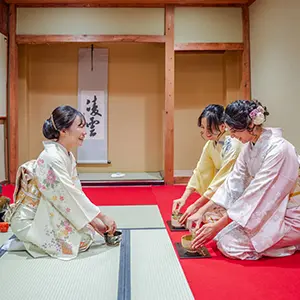
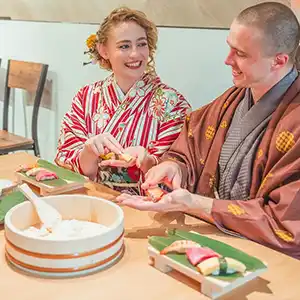
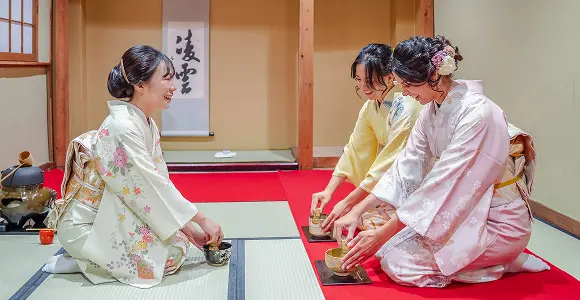
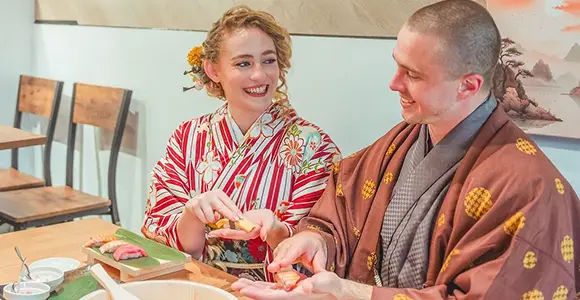
In just 90 minutes, you can change into a beautiful kimono, make delicious sushi, and experience Zen with a traditional tea ceremony.
Tea Ceremony
Yukata rental 90 minutes
Experience tea ceremony in kimono — a special chance to savor Japanese culture all at once

 06-6732-8070
 KIMONO RENTAL
SET CONTENT
KIMONO RENTAL
SET CONTENT

 KIMONO RENTAL
HAIR SET/MAKE UP
KIMONO RENTAL
HAIR SET/MAKE UP
 KIMONO RENTAL
Accessories for Kimono & ITEMS
KIMONO RENTAL
Accessories for Kimono & ITEMS
 WAGASA
 KATANA
 LOCATIONSHOOTING